Elder Abuse Prevention Recommendations Sent to State Legislature
/Though precise definitions of elder abuse vary widely across jurisdictions, conceptually, elder abuse is any form of mistreatment that results in harm or loss to an older person. That, according to a report issued by Connecticut’s Legislative Commission on Aging, is at the core of a series of 15 recommendations being made to the state legislature and executive branch to respond to increasing concerns about the growing prevalence of elder abuse.
The report explains that “it can be physical, financial, psychological, or include neglect or abandonment and it may take place in a home or institutional setting. Though often a hidden phenomenon, elder abuse is a significant human rights, public health and social justice issue that transcends race, ethnicity, religious affiliation, income and education levels.”
Earlier this year, the legislature directed the Commission to conduct a study” concerning best practices for reporting and identification of the abuse, neglect, exploitation and abandonment of older adults.” The report was submitted to the legislature, which convenes this week.
The Commission has also launched a new website focused on Financial Abuse & Exploitation, which includes a series video training videos and a range of resources.
Organized around the three areas of inquiry framed in Public Act 15-236, the report recommendations are:
To emulate national models for reporting abuse, neglect, exploitation or abandonment:
- Establish parameters for reasonable caseload standards for the Connecticut Department of Social Services Protective Services for the Elderly program (PSE);
- Establish an elder abuse resource prosecutor in the Office of the Chief State’s Attorney;
- Conduct a Connecticut-specific cost assessment to better understand the personal and state costs of financial exploitation; and
- Evaluate moving to an adult protective services model, for adults ages 18 and older, rather than a model only for adults ages 60 and older, balancing the import of retaining choice and control with ensuring that access to protective services is not restricted by age.
To advance standardization and uniformity in definitions, measurements and reporting mechanisms:
- Conduct a definitional crosswalk among and between state agencies and national guidelines and assess where legal, policy and practice changes can enhance alignment;
- Have Connecticut PSE develop a strategic plan to develop national voluntary consensus guidelines that have been developed nationally;
- Have Connecticut PSE modify its data collection process and explore predictive analytics modeling to improve outcomes and quality, to align with the dataset to be collected nationally, and to develop more targeted interventions; and in the interim, have PSE submit a more detailed report to the Connecticut General Assembly;
- Require Connecticut PSE to develop an online training module for mandated reports on the role of PSE, elder abuse red flags and reporting procedures to PSE; and
- Develop training and resources for law enforcement.
To promote and coordinate reporting communication among local and state government entities:
- Have Connecticut PSE formalize a system for consistent and uniform follow-up with all reporters of elder abuse;
- Enhance training for Connecticut PSE social workers and utilize consultants with specific subject matter expertise to provide guidance on investigation in certain highly specialized areas;
- Explore promising evidenced-based assessment tools and service models to make informed policy and practice decisions about how to direct and utilize limited resources on behalf of adults who need them most;
- Pursue federal funding for enhanced training and services to end abuse later in life program.
- Empower and support multidisciplinary teams (groups of regularly-meeting professionals to handle complex cases of elder abuse), as well as specialized teams such as financial abuse specialist teams, elder fatality review teams, and an elder abuse forensic center; and
- Support continued development of Connecticut’s criminal justice information system.
Connecticut’s Legislative Commission on Aging is a nonpartisan public policy and research office of the Connecticut General Assembly. The report indicated that according to a study sponsored by the U.S. Department of Justice, 12.4 percent of adults age 60 and older reported at least one form of emotional, physical or sexual abuse or potential neglect and 11.7 percent reported financial exploitation by a family member or stranger.
Connecticut is the 7th oldest state in the nation, based on median age. It also has the third longest-lived constituency, with an average life expectancy of 80.8 years for residents born in Connecticut today. The report indicated that the “vast scope of elder abuse is especially concerning in light of the significant adverse health consequences for victims.”
More than one-third of Connecticut’s population is over the age of 50, and that proportion continues to rise. Between 2010 and 2040, Connecticut’s population of people age 65 and older is projected to grow by 57%, with less than 2% growth for people age 20 to 64 during the same period, according to the report.
https://youtu.be/b3Dr_sqJOYE
 The final
 On July 13, 2015, President Obama hosted the sixth White House Conference on Aging, joining older Americans and their families, caregivers, and advocates at the White House and virtually through hundreds of watch parties across the country.
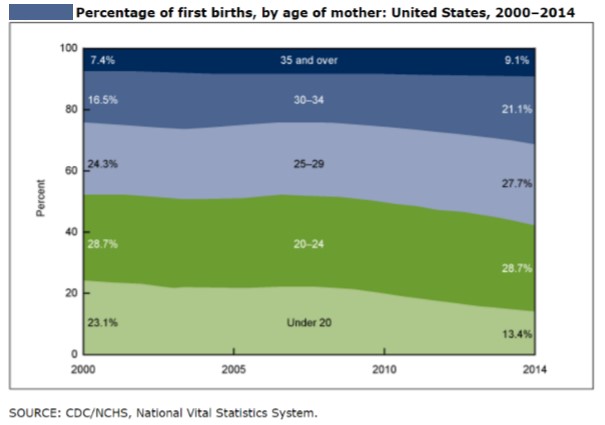

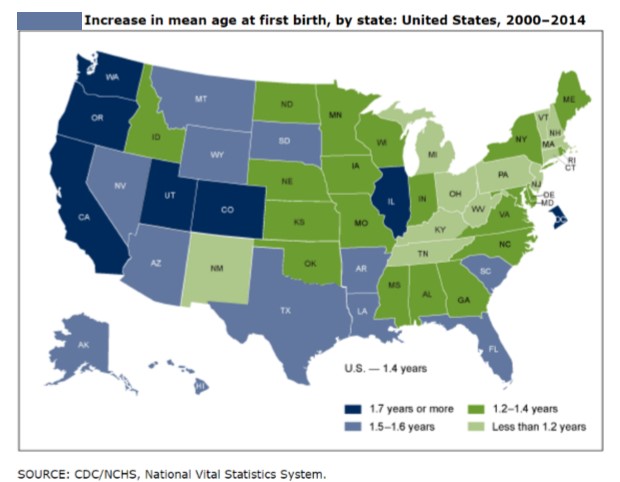 The report emphasized that over the past several decades, the United States continued to have a larger number of first births to older women along with fewer births to mothers under age 20. “This trend and the more recent uptick in delayed initial childbearing can affect the number of children a typical woman will have in her lifetime, family size, and for the overall population change in the United States,” the federal agency pointed out.


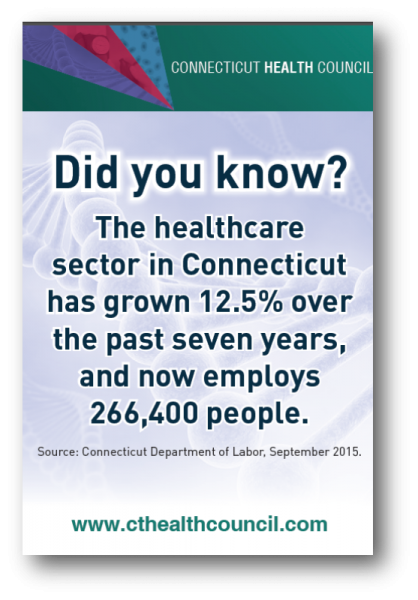
 In addition, the marketing campaign also highlights that thee of the top 10 fastest growing companies headquartered in Connecticut in 2014 were healthcare related companies, and that Connecticut’s healthcare sector has the fifth highest number of sole proprietorships of any sector in the state, with the seventh highest revenues. Connecticut’s “unique base of health sector assets” include health insurance companies, hospitals, medical schools, research capacity, and specialty practices, according to the organization’s website.
 The Council's primary activity is to host programs focused on health sector topics that feature speakers of regional, national and international renown, the website points out. The Council also provides “a forum for a robust network of experts, professionals and other parties interested in promoting Connecticut as a center of health excellence and the health sector as a primary driver of economic and employment growth in our State.”
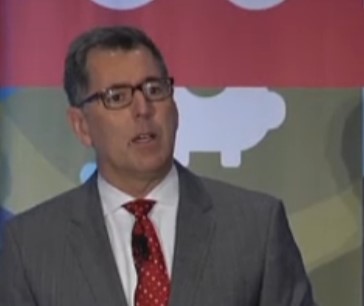 Since entering the Connecticut market in the summer of 2014, the company has been aggressively growing its customer base in a competitive market while working diligently to grow and expand its network of doctors. Harvard Pilgrim Health Care announced recently that its Connecticut membership has grown to more than 24,000, exceeding expectations for 2015. It now serves more than 800 Connecticut businesses. Twenty-nine of the state’s 30 hospitals are now in-network.
 With more than 500 business leaders in attendance at an annual Economic Summit & Outlook last week, brought together by the Connecticut Business and Industry Association and MetroHartford Alliance, Schmitt spent some time touting a new model launched in the state of New Hampshire that he believes may be a glimpse into the direction the industry is moving. Harvard Pilgrim Health Care’s footprint in New England now covers “where 90 percent of New Englanders live,” in Massachusetts, Connecticut, Maine and New Hampshire.
 Launched




 MassChallenge, an independent nonprofit organization, envisions “a creative and inspired society in which everyone recognizes that they can define their future, and is empowered to maximize their impact.” They note that “novice entrepreneurs require advice, resources and funding to bring their ideas to fruition. Currently there is a gap between the resources these entrepreneurs need and the ability of the entrepreneurial ecosystem to provide them.” To bridge that gap, the organization’s primary activities include running an annual global accelerator program and startup competition, documenting and organizing key resources, and organizing training and networking events. They “connect entrepreneurs with the resources they need to launch and succeed immediately.”
 The news came just weeks after it was announced that Laurencin is the recipient of the 2016 Founders Award, the highest honor of The Society For Biomaterials. He will be honored at the 2016 World Biomaterials Congress in Montreal, Canada on May 18, 2016.