CT is 5th Healthiest State in USA; MA Ranks 1st, New Data Shows
/Connecticut is the fifth healthiest state in the nation, dropping from third a year ago, but remaining in the nation’s top 10, where it has been every year since 1993. Massachusetts, Hawaii, Vermont, Utah and Connecticut rank as the five healthiest states, while West Virginia, Alabama, Arkansas, Louisiana and Mississippi rank the least healthy.
The United Health Foundation ranked America's states based on a variety of health factors, such as rates of infectious diseases, obesity, physical inactivity, smoking and infant mortality, as well as air pollution levels and the availability of health care providers. The survey has been conducted annually for 28 years.

America’s Health Rankings was built upon the World Health Organization definition of health:“Health is a state of complete physical, mental, and social well-being and not merely the absence of disease or infirmity.”
 The model reflects that determinants of health directly influence health outcomes. A health outcomes category and four categories of health determinants are included in the model: behaviors, community & environment, policy and clinical care.
This is the first time Massachusetts has been named the healthiest state, ending Hawaii's five-year ranking at number one. Connecticut’s highest ranking was second, in both 2006 and 2008.
By category, Connecticut ranked fourth in Behaviors, fourth in Clinical Care, sixth in Policy, tenth in Health Outcomes and 15th in Community & Environment. Connecticut had the third lowest levels of infectious disease, fourth lowest prevalence of smoking and ninth lowest levels of obesity.
The Bay State won the honor in part due to having the lowest percentage of uninsured residents at just 2.7% of the population, plus a low prevalence of obesity and a high number of mental health providers. Rhode Island moved from 14th to 11th; New York from 13th to 10th. 
This latest report shows that the nation's health overall is getting worse. The nation's premature death rate -- the number of years of potential life lost before age 75 -- increased 3% since 2015. That increase is driven in part by drug deaths, which increased 7% during that time, and cardiovascular deaths, which went up 2%. Overall, the United States ranks 27th in terms of life expectancy in a comparison of 35 countries, according to the report. Long-term challenges remain — including infant mortality and low birthweight. Cardiovascular deaths and drug deaths also increased.
Connecticut’s strengths, according to the report, include the state’s low prevalence of smoking, low violent crime rate and low percentage of uninsured people. The state’s greatest challenges include a high drug death rate, high levels of air pollution and a large disparity in health status by educational attainment.
The report also identified the following highlights:
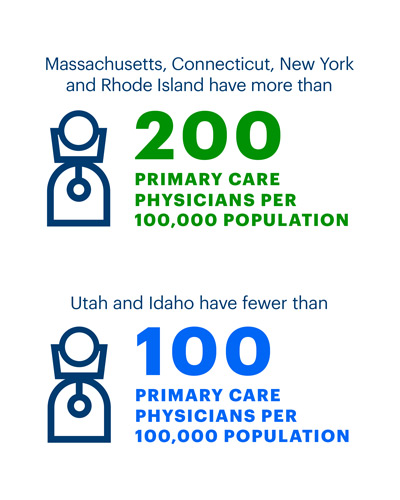
- In the past year, primary care physicians increased 6%, from 197.8 to 209.4 per 100,000 population
- In the past two years, children in poverty increased 33%, from 12.3% to 16.3% of children
- In the past five years, cancer deaths decreased 3% ,from 179.0 to 173.7 deaths per 100,000 population
- In the past three years, drug deaths increased 67%, from 11.0 to 18.4 deaths per 100,000 population
- In the past five years, the percentage uninsured decreased 44%, from 9.9% to 5.5% of the population





 The mission of the Jordan Porco Foundation, a 501(c) (3) public charity, is to prevent suicide, promote mental health, and create a message of hope for young adults. They accomplish this by providing engaging and uplifting peer-run programs. Their programs strive to start a conversation about mental health that reduces stigma while encouraging help-seeking and supportive behaviors.



 A synthetic turf study was undertaken in 2016 by four United States agencies — EPA, Consumer Products Safety Commission, the Centers for Disease Control and Prevention/Agency for Toxic Substances and Disease Registry — which has yet to be finalized.
 Blumenthal first became concerned about the artificial surface when his children were playing on the crumb-rubber athletic fields. “I became concerned as a parent, as much as a public official, ten years ago, and at first was somewhat skeptical, but now very firmly believe that we need an authoritative, real study about what’s in these fields,” Blumenthal told ABC News two years ago.



 Food and beverage companies often target marketing for nutrient-poor products such as candy, sugary drinks, snack foods, and fast-food restaurants to Hispanic audiences, including youth, the researchers state. They cite previous research that has documented disproportionate exposure to unhealthy food marketing by Hispanic youth in their communities and on TV, but theirs is the first examination of the phenomenon on the internet.
 g vulnerable populations,” according to the publication’s website, “with the goal of providing optimal outcomes and ultimately health equity for all.” The journal intends to provide coverage ranging from translational research to prevention, diagnosis, treatment, and management of disease and illness, in order to serve as a primary resource for organizations and individuals who serve these populations at the community, state, regional, tribal, and national levels.