Opioid Epidemic Evident in CT Communities Large and Small; Data Show Rapidly Growing Health Crisis
/In 2012-13, 111 of Connecticut’s 169 towns had at least one death attributable to opioids, and one city, Hartford, had more than 100 deaths that were caused by the drug. Just four years later, in 2016-17, 138 towns saw at least one death during the two-year period, an increase of 24 percent, and the number of cities with more than 100 deaths had quadrupled, as Hartford, Bridgeport, New Haven and Waterbury each saw the death toll climb past 100. A review of data from the Connecticut Medical Examiner by the Connecticut Data Collaborative found that “opioid deaths have doubled and tripled in some towns in Connecticut in only six years.” The analysis found that although Bridgeport, New Haven, Waterbury, and Hartford have the highest rates per population, “many smaller towns have seen their rates of death triple as well.”
 In comparing the average annual opioid-related death rates per 100,000 population in 2012-13, 2014-15, and 2016-17, the dramatic increases across communities statewide is quite evident. The data analysts point out that data are where deaths from 'any opioid' (meaning some type of opioid were found in the person) take place. Therefore, they explain, one would expect to see higher rates in places with large hospitals (hence high rates in cities). They add that one can also not discount that these places are also seeing higher rates among its residents.

In Danbury, for example, the rate of deaths nearly tripled from 2012-13 to 2016-17, from 6.88 to 18.20. In Enfield, it more than tripled, from 2.01 to 6.70. In that northern Connecticut community, the rate translates to 9 opioid-related deaths during the two years of 2012-13 to 30 in 2016-17.
In Norwalk, the rate quadrupled from 2.57 in 2012-13 to 10.70 in 2016-17, when 25 people died from opioid-related causes. The rate in New Britain more than tripled from 8.78 to 29.65 – from 24 deaths over a two-year period to 81 in the same period four years later. In Hamden the number of deaths from opioid-related causes doubled from 8 to 16 in four years; in West Haven there were 7 deaths in 2012-13 and 29 in 2016-17.
 The Connecticut Data Collaborative has posted on its website an interactive series of state maps that allows visitors to compare the number of opioid deaths in every town in Connecticut in each of the three years. The maps indicate “the breadth of the problem” and “intensity of the issue.”
Earlier this year, Connecticut officials launched a statewide public awareness campaign aimed at reducing opioid misuse. The "Change the Script" campaign provides information on prevention, treatment and recovery provided by local health departments, prevention councils, healthcare providers, pharmacists, and other community partners and stakeholders.
The state departments of Mental Health and Addiction Services (DMHAS), Consumer Protection (DCP) and Public Health (DPH) are working together on the campaign, which grew out of the Governor's Connecticut Opioid Response (CORE) Initiative, a three-year strategy to prevent addiction and overdoses.
https://youtu.be/Uy3IVFjUAjE



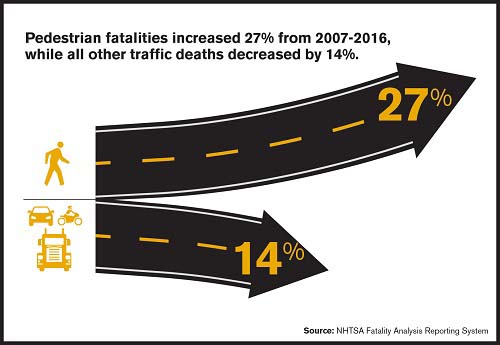 The total number of multimedia messages sent has more than tripled since 2010. The report also suggests a possible link with marijuana use. According to the report, the seven states (Alaska, Colorado, Maine, Massachusetts, Nevada, Oregon, Washington) and DC that legalized recreational use of marijuana between 2012 and 2016 reported a collective 16.4 percent increase in pedestrian fatalities for the first six months of 2017 versus the first six months of 2016, whereas all other states reported a collective 5.8 percent decrease in pedestrian fatalities.

 The report defines Eastern Connecticut as the Community Foundation of Eastern Connecticut service area: 42 towns that include 453,000 people, 227,000 women. The population of the region is 80% white, 9% Latina, 4% Black and 4% Asian. Approximately 33,700 residents, or 7 percent, are foreign born. Looking ahead, the report noted that the population of women ages 65 and up is projected to grow significantly over the next decade; estimated to increase 44 percent by 2025.


 image of Michelle Obama’s face,” the researchers pointed out.

 Hickenlooper, who took


 For three decades, since 1979,

 The Yale School of Public Health also

 he Division of Pediatric Surgery since 2007 and is an associate professor of pediatrics and surgery at UConn Health. In announcing her appointment, Connecticut Children’s pointed out that through her research, Finck “revolutionized outcomes of pediatric and neonatal diseases, most specifically leading efforts focused on identifying and treating those that affect the lungs, esophagus and brain.” She was honored by The Group on Women in Medicine and Science, who awarded her the Outstanding Clinical Scientist Woman Faculty Award, last year.


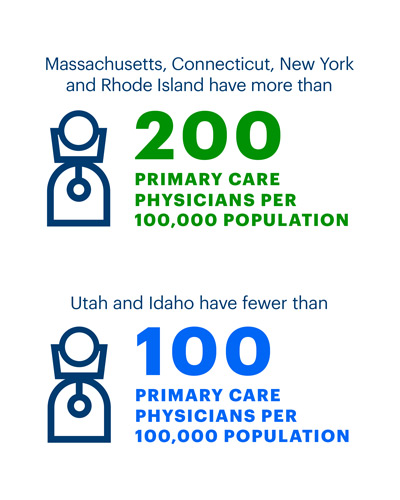 The model reflects that determinants of health directly influence health outcomes. A health outcomes category and four categories of health determinants are included in the model: behaviors, community & environment, policy and clinical care.