As Latino Population Increases, Schools See More English Language Learners
/A snapshot of America in 2044, based on U.S. Census Bureau data and current trends, will show this: a nation with a youthful, growing minority population juxtaposed against an aging, slow-growing and soon to be declining white population. New population projections show whites will become a minority by 2044, according to published reports.
The new projections from U.S. Census Bureau figures shows two trends for America's population -- a long-term decline for the nation's white population, making up just 49.7 percent of the population by 2044, and a growth of new minorities -- Asians, Latinos and multiracial persons. The populations among the rapidly-growing Latinos, Asians and multiracial populations are all expected to double in size over the next 30 years. Specifically, the rise of Latinos is projected to make up 25.1 percent of the U.S. population in 2044, doubling African-Americans, according to the data projections reported in the Latino Post. By 2027, more than half of America's 20-somethings will be racial minorities, and in the 2028 presidential election, 40 percent of all eligible voters will be racial minorities.
In Connecticut, the demographic shift is underway. The Hispanic percentage of the statewide population in 2013 stood at 14.7 percent, steadily climbing during the past decade. The Hispanic percentage of statewide population under age 18 in 2013: 22 percent.
When the website ctlatinonews.com selected five “Young Latinos to Watch” this month, two of the five were newly elected legislators. Aundré Bumgardner was a surprise winner on Election Day. The Republican, whose family is from Panama and Puerto Rico, will be the youngest State Representative in Connecticut’s legislature. The 20 year-old won his party’s nomination to run for the state House from the 41st District, which covers Groton and New London. Rep.-elect Christopher Rosario may be new to the state’s legislature, but he is not new to advocacy, politics and working on behalf of the Latino community. He will represent his hometown of Bridgeport in the state legislature from the 128th District. He has been Bridgeport’s youngest department head as Director of Anti-Blight under the Office of Neighborhood Revitalization.
Recent news reports highlight one of the issues that the legislature will be grappling with. An analysis by CT Mirror found that during the 2013-14 school year, Hartford Public Schools had the most English Language Learner (ELL) students, with 3,550, but Windham had the highest percentage of ELL students at 23.8 percent. The largest pe rcentage increases in ELL students, between 2001 and last year, came in Windham (11.8% increase), Danbury (up 9.4%), Norwich (up 9.1%), and New London and West Haven (both up 7.4%).
The increasing number of ELL students in Connecticut is reflected in the current top 20 communities, according to the CT Mirror data, compiled from the State Department of Education:
- Hartford 3,550
- New Haven 2,709
- Bridgeport 2,685
- Danbury 2,204
- Waterbury 2,114
- Stamford 1,870
- New Britain 1,659
- Norwalk 1,277
- Meriden 1,011
- Windham 774
- West Haven 678
- East Hartford 606
- New London 588
- West Hartford 490
- Greenwich 486
- Norwich 465
- Manchester 351
- Torrington 334
- Bristol 317
- Wallingford 275
The top twelve municipalities with ELL students, by percentage of their student population:
- Windham 23.8%
- Danbury 20.4%
- New London 19.2%
- Hartford 16.7%
- New Britain 16.5%
- Bridgeport 12.9%
- New Haven 12.7%
- Meriden 12.5%
- Norwich 12.4%
- Stamford 11.8%
- Norwalk 11.5%
- West Haven 11.4%
- Waterbury 11.4%
The legislature's Latino and Puerto Rican Affairs Commission (LPRAC) is hosting this public policy forum on English Language Learners (ELL) and bilingual education in Connecticut on Tuesday, January 13, at the State Capitol in Hartford. It will feature classroom teachers, business, professors, and legislators discussing the status of ELL/bilingual education and how to improve outcomes for Connecticut’s non-English speaking children.
 The new interactive tool, on the Connecticut Voices for Children website, enables visitors to track spending across nearly 100 children’s programs over 25 years. Over the last two decades, spending on children’s programs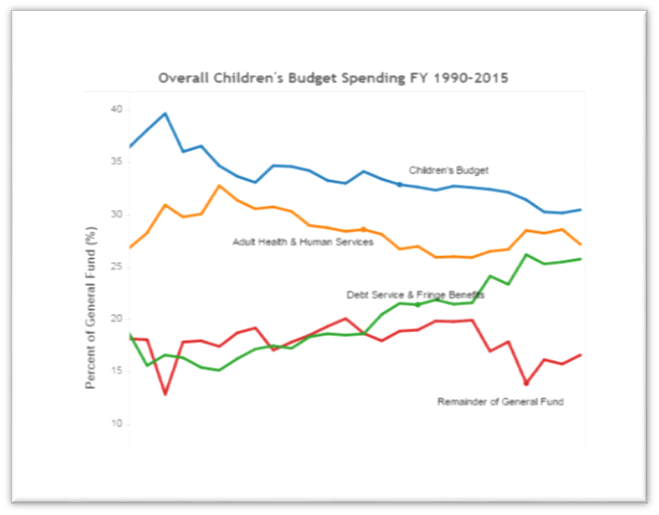
 nt and work closely with stakeholders in developing the conference, viewed as “an opportunity to look ahead to the issues that will help shape the landscape for older Americans for the next decade.”

 “Many preliminary competition events would need to take place outside of the main Olympic Park areas so events may occur as far away as Connecticut. This also is an opportunity for more people to get involved with the Olympic Spirit,” Garcia adds.

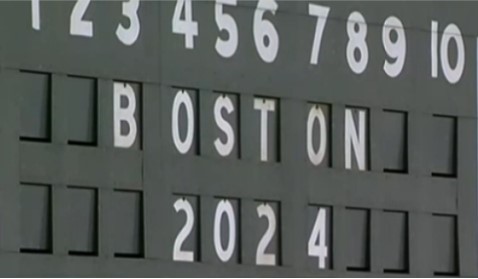 An Olympic games in Boston would utilize existing sports venues of both professional teams and area colleges, which could reduce potential costs. Infrastructure improvements, such as in transportation, are already on the drawing board, and could accelerate with a Boston bid.



 epartment of State. He also writes foreign policy columns for the Boston Globe and Global Post and is a noted lecturer on U.S. foreign policy.
 nt George H.W. Bush to the National Security Council, a post he held until 1995, bridging the administrations of Bush and President Bill Clinton.
 “There was another exchange about the recent release of Mrs. Belaga's joint tax return, which showed that she and her husband, Myron, paid $110 in Federal income taxes last year because of losses incurred by an investment business being started by her husband. The couple reported total assets of $1.4 million.



 d met Ms. Toyen, who grew up in Avon, Connecticut, at their alma mater, Bentley College in Waltham, Mass., and had managed to pull off an elaborate proposal.
 .
.