Ten CT History Organizations Honored for Innovative, Effective Initiatives

When the Connecticut League of History Organizations (CLHO) hosts its annual conference and awards ceremony in Meriden on June 1, ten local organizations will be honored for their effective work in connecting state residents and history. The theme of the all-day conference is “Making History Collections Relevant in a Modern World.” Sessions will explore the many traditional and non-traditional ways that museums, historical societies, historic houses, and archives make their collections accessible and relevant to their communities.

The conferenceLOGO COLOR, which is open to the public,  includes an awards ceremony, as the CLHO presents Awards of Merit to institutions and individuals who demonstrate the highest of professional standards and who enhance and further the understanding of Connecticut history.  Along with opportunities for networking, there will be speakers, panel discussions, and how-to practical presentations.

The awards will be presented to the Wethersfield Historical Society, Weslyan University Press/Connecticut Explored/The Amistad Center, Norfolk Historical Society, Mattatuck Museum (Waterbury), Lyman Allyn Art Museum (New London), Kent Historical Society, Florence Griswold Museum (Old Lyme), Cheshire Historical Society, Bated Breath Theatre Company (Hartford), and Archaeological and Historical Services, Inc. (Storrs). [See details below]

Keynote speaker Rainey Tisdale is an independent curator specializing in city history. Tisdale led the consortium of local museums, libraries, and archives in collecting and interpreting the 2103 Boston Marathon Bombing, with emphasis on programming for the one-year anniversary in April 2014.

Tisdale’s most recent book, Creativity in Museum Practice, helps museum professionals unleash creative potential throughout their institution. She will discuss “The Poetry of Objects,” a wide-ranging meditation on the power of objects to move, inspire, and build community.

The awards ceremony features an award-winning performance by Bated Breath Theater Company, "Freedom In Three Acts." Admission to the conference is $75 per person, with discounts for members, students, and early registration, and covers all events of the day and lunch. Reservations  can be made at www.CLHO.org.

For over 60 years the Connecticut League of History Organizations has strengthened and built connections among those who preserve and share the stories and objects of our past by sharing knowledge and experience, and promoting best practices.

https://youtu.be/LM5xtk23cv0


The CLHO Awards of Merit will be presented to:

Archaeological and Historical Services, Inc. - Storrs, CT

Publication - Highways to History: The Archaeology of Connecticut’s 18th-Century Lifeways

Highways to History is a publication describing the lives of ordinary residents in 18th century colonial Connecticut. Based on a combination of historical and archaeological investigations at four buried homesteads, the book opens a new window into how people in Connecticut lived in colonial times. Distributed around the state, and made available online, Highways to History provides an accessible and engaging account of how ordinary colonial Connecticut citizens lived, and demonstrates the strength of combining archaeological and documentary evidence.

Bated Breath Theatre Company (a collaboration with The Amistad Center for Art & Culture) Hartford, CT

Educational Program - Freedom: In 3 Acts

Freedom: In 3 Acts is a collaborative performance between The Amistad Center for Art & Culture and Bated Breath Theatre Company. This innovative program responded to and amplified The Amistad Center’s exhibition, Emancipation! The three act performance incorporates song, movement and narrative to explore the struggle for freedom and justice for African Americans. Since its initial performance, Bated Breath Theatre Company has performed Freedom: In 3 Acts at a variety of venues, using its innovative and engaging approach to bring the original exhibit off the walls and out of the exhibit cases to engage audiences around Connecticut.

Cheshire Historical Society - Cheshire, CT

Educational Program - Cheshire Heritage Tour – An App for Mobile Devices

Looking to bring a traditional walking tour of the center of Cheshire alive, The Cheshire Historical Society developed an app that appeals to people of many ages and interest. Free to download, the app combines humor, seldom-seen images from the Historical Society’s collection, and contemporary photos and maps to guide the user around the center of town. With the help of two characters, Alonzo the Adventurer and Emmy, the Magical History Box, the Cheshire Heritage Tour keeps visitors engaged while learning about the history of the area.

Florence Griswold Museum - Old Lyme, CT

Project - Thistles and Crowns: The Painted Chests of the Connecticut Shore

In 2014 the Florence Griswold Museum presented the exhibition Thistles and Crowns: The Painted Chests of the Connecticut Shore to highlight the distinctive beauty and historical significance of a group of painted chests made in Old Saybrook and Guilford, Connecticut between 1700 and 1740. Bringing together a selection of these chests from six museums for the first time since 1950, the exhibit asked visitors to look at aspects of construction, decoration, use and history. Accompanied by a full-color catalog, Thistles and Crowns highlighted stories about Connecticut’s artistic, cultural, and historical legacies that can be found in unexpected places.

Kent Historical Society - Kent, CT

Project - Iron, Wood, and Water: Essential Elements of the Evolution of Kent

As the site of the second most valuable iron ore deposit in Connecticut, Kent became a desirable place to live for iron works, and the impact of their activities had deep influence on the evolution of Kent into the community it is today. While much scholarly research explores the technicalities of the iron making process and the entrepreneurs who ran the industry, the exhibition, Iron, Wood and Water: Essential Elements of the Evolution of Kent told the story of the common men who toiled daily in the mines, at the furnaces, and deep in the woods. It was these workers who left impressions on the community and played a large role in transforming Kent first from an untamed wilderness to a bustling industrial town, and later to a community of dairy farmers and finally to the home for artists and writers that it is today.

Lyman Allyn Art Museum and Stephen Fan, Guest Curator - New London, CT

Project - SubUrbanisms: Casino Company Town / China Town

In 2014 the Lyman Allyn Art Museum opened Suburbanisms: Casino Company Town/ China Town. Using a variety of approaches the exhibit documented and historicized the development of a suburban Chinatown surrounding the Mohegan Sun casino in Connecticut. Built up by a large number of Asian casino patrons and workers – many recent immigrants - this innovative exhibition presented an under-explored topic in Connecticut’s and the nation’s history. In addressing key themes in suburban, housing, labor, and immigrant history, the exhibit used history to bridge cultural divides and to question the future ecological, social, and economic sustainabilites of the ever-changing American suburban ideal.

Mattatuck Museum - Waterbury, CT

Project – The Way We Worked – Connecticut At Work

As one of seven venues selected to host The Way We Worked, a traveling exhibition created by the Smithsonian Institution in 2014, the Mattatuck Museum sought to create a parallel group of exhibitions and a series of programs to bring the story home to Connecticut audiences. Know as Connecticut At Work, the resulting local exhibitions, film series, lectures, and programs engaged broad and diverse audiences and addressed issues of immediate concern. Through providing a local backdrop for the Smithsonian’s exhibition, Connecticut At Work merged the national story with the regional one.

Norfolk Historical Society - Norfolk, CT

Project - From the Mills to the Main Street: The Irish in Norfolk

From the Mills to Main Street: The Irish in Norfolk was an inventive interpretive exhibition mounted by the Norfolk Historical Society in 2014. Using historical documents, artifacts, photographs, and ephemera, many not previously on view, the exhibit explored the contribution and assimilation of the Irish in the town of Norfolk from 1836 to 1920. The well-attended exhibit and related programming that included lectures, gallery talks, and walking tours, brought to life the importance of a significant immigrant group to the economic and cultural landscape of Norfolk.

Wesleyan University Press, Connecticut Explored, The Amistad Center - Middletown, CT

Publication - African American Connecticut Explored

African American Connecticut Explored is the first book published for a public history audience that provides the long arc of the African American experience in Connecticut with an emphasis on the African American perspective. Through more than 50 essays by more than 30 of the state’s leading historians, curators, and writers, the book covers a wide range of topics. Published by Wesleyan University Press, it was developed by Connecticut Explored, The Amistad Center for Art & Culture, and representatives from the State Historic Preservation Office.

Wethersfield Historical Society - Wethersfield, CT

Project - Castle on the Cove: the Connecticut State Prison and Wethersfield

Mounted in 2014, and on view through 2016 the exhibition Castle on the Cove: the Connecticut State Prison and Wethersfield, explores the Connecticut State Prison during its years of operation between 1827 and 1963 in Wethersfield, Connecticut. The prison was an integral component of the town’s identity during these formative years as Wethersfield transitioned from rural town to suburb. Exploring both previously undocumented and often requested materials the exhibit looks at the prison from the perspectives of the inmate, employee, and local resident to present the history of the prison within a broad context and to encourage visitors to consider the impact of the prison on these three groups.



Trees Sprouting Across Connecticut, 19 Municipalities Lead the Way

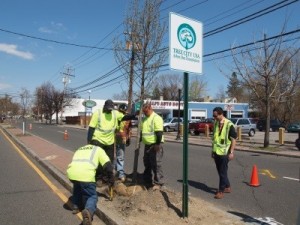
Tree City USA is an honor earned by cities and towns that meet four standards set by the Arbor Day Foundation and have their application approved the State Forester. Connecticut currently has 19 municipalities with the Tree City USA designation, which cover 31 percent of the state’s population. According to the Arbor Day Foundation, Connecticut’s longest running Tree City is Fairfield, which recently surpassed 26 years.  The largest community is Bridgeport, the smallest, by population, is Brookfieldthumb-grid-shaded-path

The four standards are having:

  • A tree board or department
  • A tree care ordinance
  • An urban forestry program with an annual budget of at least $2 per capita
  • An Arbor Day observance and proclamation

The other Tree City USA communities in Connecticut are Branford, Danbury, East Hartford, Groton, Hartford, Middletown, Monroe, New Canaan, New Haven, Norwalk, Ridgefield, Southbury, Stamford, West Haven, Wethersfield and Wilton.

Norwalk and Wethersfield, for demonstrating a higher level of tree care, have received Growth Awards from the organization.  Overall, there are 3,400 Tree City USA honorees across the country, with a combined population of more than 140 million.logo-tree-city-usa-color

Annual participation as a Tree City USA community provides the opportunity to educate people who care about their community about the value of tree resources, the importance of sustainable tree management and engage individuals and organizations in advancing tree planting and care across the urban forest.

The organization also offers on-line education courses for individuals interested in learning more about trees, or about serving in a citizen advisory role in their local community.

The Arbor Day Foundation indicates that an effective tree program can:

  • Reduce costs for energy, storm water management, and erosion control. Trees yield up to three times their cost in overall benefits to the city, averaging $273 per tree.
  • Cut energy consumption by up to 25%. Studies indicate that as few as three additional trees planted around each building in the United States could save our country $2 billion, annually, in energy costs.
  • Boost property values across your community. Properly placed trees can increase property values from 7-21% and buildings in woodedareas rent more quickly and tenants stay longer.

tree in BridgeportThe Arbor Day Foundation also has a campus program, designating colleges and universities as a Tree Campus USA.  The University of Connecticut is the only college in Connecticut to earn the designation.

The state Department of Energy and Environmental Protection's Urban Forestry Program is available to work with any community interested in exploring whether it qualifies as a Tree City USA and what is needed to earn that designation.

DEEP officials indicate that “many communities might be surprised at how close they are.”  Applications for next year's honor are due in December.  The program was initiated by the Arbor Day Foundation in 1976.

https://youtu.be/ol2_IcwaeDI


Nooyi, Miles, Bourke-White to be Inducted into CT Women's Hall of Fame

Three women who made their mark internationally in their respective fields of endeavor will be honored by the Connecticut Women’s Hall of Fame at the 22nd Annual Induction Ceremony & Celebration this fall. The theme, “Connecticut Women - Global Impact” will be reflected in the noteworthy careers of:logo-cwhf

  • Carolyn Miles - President and CEO of Save the Children, international leader creating change for children around the world
  • Indra Nooyi - Chairman and CEO of PepsiCo known for her global leadership, strategy, corporate responsibility and sustainability efforts
  • Margaret Bourke-White - First female photographer for Life magazine and first female American war photojournalist

The induction ceremony will be held on Thursday, November 12, 2015 at the Connecticut Convention Center in Hartford.

To be considered for induction to the Connecticut Women’s Hall of fame, a nominee must:

  • be a Connecticut native and/or Connecticut resident
  • be the first woman, historic or living, to achieve recognition in her field of endeavor; or have a lifetime of achievement in that field
  • have made a significant statewide contribution to arts, athletics, business, government, philanthropy, humanities, science, education, etc.

Nooyi and her family live in Connecticut, and she previously earned a master’s degree at Yale University.  Miles works in Fairfield, where the headquarters of the internationally acclaimed Save the Children is located.  Bourke-White died in 1971 and lived in Connecticut in her later years, after an illustrious landmark career as a photo journalist, most notably for LIFE magazine.

photosThe global Save the Children movement currently serves over 143 million children in the US and in more than 120 countries.  Miles joined the organization in 1998, was COO from 2004-2011, and became President and CEO in September 2011. Under her senior leadership, the organization has more than doubled the number of children it reaches with nutrition, health, education and other programs.  Miles was named this year as one of the 50 World's Greatest Leaders by Fortune magazine.

Nooyi is Chairman and Chief Executive Officer of PepsiCo. In its global food and beverage portfolio, PepsiCo has 22 brands that generate more than $1 billion each in annual retail sales. PepsiCo's main businesses include Quaker, Tropicana, Gatorade, Frito-Lay and Pepsi-Cola, with more than $66 billion in annual net revenue.

The Induction Ceremony is the signature program of the Connecticut Women’s Hall of Fame, which brings the mission of the organization to life. From its inception in 1994, the Ceremony has been a forum for women to gather, share stories and celebrate the achievements of exceptional women who have paved the way for the current generation to enjoy freedoms and choices unheard of even a few decades ago.

While several living women are inducted into the Hall each year, the organization has traditionally placed heavy emphasis on uncovering the stories of extraordinary women and their accomplishments, “stories that heretofore have received little or no recognition.”

The Annual Induction Ceremony typically brings more than 800 of Connecticut’s civic, corporate and government leaders together. Each Inductee is honored with a short tribute film which chronicles her struggles and achievements. These films are currently produced by Karyl Evans, a five-time Emmy Award-winning documentary filmmaker in collaboration with CPTV’s film crew and are also used as educational tools throughout the year.

The Honorary Event Chair for the 2015 Induction Ceremony is Linda Koch Lorimer, Vice President for Global and Strategic Initiatives at Yale University.


Museum Store Association Brings National Conference to Hartford; Wadsworth Atheneum Is Award Finalist

The Wadsworth Atheneum’s Museum Store is one of five nominees for the 2015 Museum Store Association (MSA) Visual Merchandising award, which recognizes excellence in visual merchandising by a museum institution. The award will be given on Sunday, April 19 in Hartford – on the final day of the Museum Store Association’s national conference, being held this weekend at the Connecticut Convention Center. Nominations were evaluated based on creative use of resources, collaboration and how well the display extends the museum experience.  The other finalists are the Columbia River Maritime Museum, Fine Arts Museums of San Francisco, Eastern National and Virginia Museum of Fine Art.Balancing-Act-600x175-indd.jpg

The 2015 MSA Retail Conference & Expo, organizers point out, is designed to help nonprofit retail professionals succeed by offering dynamic learning sessions and opportunities to connect with select MSA vendors who offer products matched with the museum store industry.

In Hartford for the annual conference are approximately 300 museum store professionals and more than 200 select vendors who offer products and services for nonprofit and independent retailers. When the conference location in Hartford was announced 15 months ago, it was expected to bring in 900 participants downtown utilizing an estimated 1,130 room nights, according to organizers.

Learning sessions throughout the conference are presented by “the leading thinkers in nonprofit retailing who share the knowledge you need to run your store, meet the needs of management, make the most out of challenges, be a leader and through retailing contribute to your institution’s brand and extend the experience of your visitors.”

It is the first time the national conference is being hosted in Hartford.  In recent years host cities have been Houston, Los Angeles, New Orleans and Chicago.  The national meeting also includes a “retail boot camp” and a tour of the Mark Twain House and Harriet Beecher Stowe House in Hartford.

The outstanding line-up of speakers includes Roderick Buchanan, the director of buying and retail sales at the British Museum Company, where he has overseen the redevelopment of the stores, products and customer service culture and increased profits four-fold since 2008.  Buchanan will deliver the conference opening keynote on Saturday morning.  The closing keynote speaker on Sunday will be Dick Durrance, described as one of the most versatile photographers of his generation. His well-known portfolio includes images from Vietnam combat, National Geographic stories, global advertising campaigns, National Parks and the world’s great golf courses.

Sessions for industry attendees include Open To Buy Workshop, Retail Boot Camp, 7 Habits of Highly Effective Retailers, Sales Guaranteed: The Only Four Things You Need to Know to Improve Museum Store Sales, Perspectives On Fair Trade, 29 Tech Tools to Create Cool Content for Social Media, Looking at Business Through Your Customers’ Eyes and eCommerce A to Z: Selling the Museum Experience Online.

In addition to the Wadsworth Atheneum, other MSA member institutions in the area include the Connecticut Historical Society Museum & Library, Harriet Beecher Stowe House, New Britain Museum of American Art and Friends of Dinosaur State Park and Arboretum. Manager of the Museum Shop at the Wadsworth Atheneum Museum of Art, Stacey Stachow, is immediate past MSA Board President.Hartford-Square

“Retailers often find themselves doing a balancing act every day, performing a variety of functions and responsibilities,” said Jama Rice, MSA Executive Director/CEO. “They balance inventory control, staffing, merchandising, displays, financial management, marketing and even event planning, and at the same time they must stay apprised of all that’s happening at their institutions and stores. The 2015 Conference & Expo will provide tools to help balance the balancing act.”

Now in its 60th year, the Museum Store Association is a nonprofit, international association dedicated to advancing the success of nonprofit retail professionals in extending the brand and contributing to the bottom lines of their institutions. MSA serves over 1,500 members in the U.S., Canada, Mexico, Asia and Europe.

CT Is Second-Tier State in Innovation Ranking of States; Earns Top Grades in Investment, Internet

Connecticut is among the second tier of states, described as an “innovation leader,” in the inaugural Innovation Scorecard compiled by the Consumer Electronics Association (CEA).  The first-of-its-kind innovation performance index is based on ten criteria, and evaluates all 50 states and Washington, D.C., according to the conduciveness of their legal, regulatory and overall business environments to welcome and encourage innovation. The Innovation Scorecard’s first group of Innovation Champions – those states that earned the highest grades – are Delaware, Indiana, Massachusetts, Michigan, North Carolina, South Dakota, Texas, Utah and Virginia, as well as the District of Columbia.CT grades

Connecticut’s grades range from A- in the “attracts investment” and “fast internet” categories to a C in “tax-friendliness,” D in “innovation friendly sustainable policies,” and F in “right to work.”  The state also received a B in four categories:  entrepreneurial activity, tech workforce, grants STEM degrees and innovation momentum.

The analysis notes that in Connecticut, “the public and private sector are funding incubators including the Connecticut Enterprise Center, Institute of Technology & Business Development and UConn Technology incubation Program to help startups launch their businesses and become financially viable companies.”

The Innovation Scorecard assesses the progress of state policies intended to advance innovation and improve business climates, while also tracking states’ responsiveness to disruptive innovation. Using established economic, educational and legislative data, the report issues grades across ten categories, including: right-to-work laws; policies that support new business models; tax friendliness; Internet speed; and size of the tech workforce.

After the innovation champions group that tops the list, the next category (innovation leader) includes Connecticut and 19 other states, including Vermont and New Hampshire in New England and Washington and Oregon on the West Coast.USA

Connecticut is one of only five states to receive an A, A- or A+ in the “attracts investment” category.  The others are California, Washington, Massachusetts, and Delaware.  Nine states and Washington, D.C. receive an A, A- or A+ for “fast internet.”  Among them are Connecticut, New Hampshire, Rhode Island and Massachusetts.

Among the CEA report’s key findings:

  • Delaware leads the nation in providing the fastest average Internet speed, at 16,200 kbps;
  • The District of Columbia leads the nation in tech jobs per capita;
  • Massachusetts and California bring in the most venture capital investment dollars, more than $500 per capita, in the U.S; and
  • Massachusetts, California, Washington, Connecticut and Delaware received higher R&D investment than other states.

Plans are for the Innovation Scorecard will be annually updated to reflect states’ evolving policies and any changes in measuring innovation.

CEAGary Shapiro, president and CEO of CEA, said “The future of growth and economic prosperity in this country is most vibrant in places where policies and political climates serve to unleash the entrepreneurial spirit and can-do attitude that is part of our American DNA. Our hope is that states will use our Scorecard as a measurable guidepost to improve their policies supporting innovation.”

The Consumer Electronics Association (CEA), with more than 2,000 member companies, is the technology trade association representing the $286 billion U.S. consumer electronics industry.

Local Election Officials Less Responsive If They Think You’re Latino, Study Finds

The answers vary, depending who is believed to be asking.  In an academic study, researchers have found that individuals thought to be Latino by local election officials receive less responsive and accurate answers to basic questions seeking information about voting.  It is described as the first large-scale field experiment investigating bureaucratic behavior that provides “causal evidence of discrimination on the basis of ethnicity or race by election officials.” The authors, Ariel R. White, Noah L. Nathan and Julie K. Faller, Ph.D. candidates at Harvard University, have published the results of their 2012 study, “What Do I Need to Vote? Bureaucratic Discretion and Discrimination by Local Election Officials,” in the February 2015 issues of American Political Science Review.  The graduate students contacted more than 7,000 elections officials in 48 states (Maine and Alaska were not included) – and asked two questions via email of the people who are responsible for both implementing voter-ID laws in many states and providing election-related information to voters.study

“We find that officials provide different information to potential voters of different putative ethnicities,” the authors explained.  “Emails sent from Latino aliases are significantly less likely to receive any response from local election officials than non-Latino white aliases and receive responses of lower quality. This raises concerns about the effect of voter ID laws on access to the franchise and about bias in the provision of services by local bureaucrats more generally.”

The field study, in which fundamental voting-related questions were emailed to election officials, was designed to “isolate the effect of ethnicity on real-world performance” of election officials.  It indicates that the officials are less likely to respond to informational inquiries from individuals thought to be Latino.  Emails from Latino names are roughly five percentage points less likely to receive a reply to a question about voter ID requirements than those from non-Latino whites, the Boston Globe reported.

The experiment was designed to determine if “street-level bureaucrats discriminate in the services they provide to constituents.”  The results provide “strong evidence” that they do.  The study concluded that “the responses that Latino emailers received to voter ID questions were less likely to be accurate and were more likely to be non-informative.”  The results “suggest that bias from street-level bureaucrats can occur even when there are not clear strategic reasons for officials to discriminate on the basis of ethnicity.”amerian political science review

The study, just prior to the 2012 election, also indicated that “we find no evidence that whether local officials are elected or appointed, partisan or nonpartisan, or members of specific political parties influences the extent of bias.”

Significantly, given recent court decisions that have rolled back oversight of elections in certain jurisdictions around the country, the study authors indicate that “consistent with the claim that enhanced monitoring reduces discrimination, we find no evidence of bias against Latinos in jurisdictions subject to federal regulation under the Voting Rights Act.”

“These findings have important implications for debates about voter ID laws, and indeed for any changes to voting requirements or election administration,” the authors emphasize in the study’s conclusion.  “Our results indicate that changes to existing voting regulations are likely to differentially increase information costs for Latino voters because public officials are less responsive to their requests for information.”

The 14-page study report also suggests that:

  • There is “some evidence that officials respond at lower rates to Latinos, even when asked a question”
  • “Public officials can be biased even in exceptionally low cost interactions” such as when only a single word answer (“No”) is necessary
  • “If minority voters are less able to acquire information about ID requirements and more likely to be asked for ID at the polls, this could manifest in lower voting rates. This may be greatest where officials are not monitored to prevent discrimination.”

The researchers suggest that future research could “expand the use of experimental methods to examine the presence of bias in service delivery in many other aspects of local administration in the United States” – from” trash collection and snow plowing to the management of welfare offices.”  They raise the question as to whether “similar ethnic or racial biases may affect the quality of services delivered in these other arenas.”

emails


Connecticut's Mechanical Engineers Honored for Driving Innovation, Advancing Technology

A quick glance at the program book for the evening suggested this was not your typical awards ceremony.  The “detailed schedule” in the program featured a level of precision not often seen – the specific time that each speaker would reach the podium was listed… 8:17 Hartford Steam Boiler, 8:23 United Technologies Aerospace Systems, 8:34 Westinghouse Electric, and so on. This was the Awards Banquet of the Hartford Section of the American Society of Mechanical Engineers (ASME) – a night highlighting Connecticut’s longstanding role as a state of innovation and preeminent engineering expertise, and the people on the front lines – so the exactness was understandable.photo 2

A standing-room-only gathering of engineers from some of the region’s largest corporate names, joined by nearly 50 engineering students from area colleges – honored lifelong achievement, recent initiatives to advance new technologies and significant contributions to the field.  The ceremonies were held at the Society Room in Hartford.

Among the corporations presenting awards were Alstom, Belcan Engineering, Firstlight and Power, Hartford Steam Boiler, Pratt & Whitney, United Technologies Aerospace Systems, Westinghouse Electric.  Awards were also given to four veteran engineering faculty members at Central Connecticut State University, University of Hartford and University of Connecticut.

Congresswoman Elizabeth Esty (D-5th District), recalling that her father and grandfather were engineers, said in opening remarks that among the nation’s challenges is a “failure to invest consisphoto 3tently and robustly in research.”  Describing Connecticut as “the home of innovation in engineering,” Esty said that engineers provide “the inspiration to solve the world’s problems.”

The annual event, held days ahead of National Engineers Week, is part of an effort “to raise public awareness of the profession’s positive contributions to improving society and quality of life,” and highlight “the importance of a technical education and a high level of math, science and technology literacy.”

The Hartford Section of ASME, with approximately 800 members, is among the largest in the nation.  Connecticut has two other ASME sections, geographically focused in New Haven and Fairfield County.  The not-for-profit professional organization’s mission, in part, is to “serve diverse global communities by advancing, disseminating and applying engineering knowledge.”  That mission was evident as the work of each award recipient was highlighted.

Amy Ericson, Alstom U.S. Country President, noted that her company has 93,000 employees in 100 countries – and that Windsor, Connecticut is their largest U.S. location.  “We’re very committed to the United States, and to Connecticut,” she said.  The three Alstom honorees – Manager of Performance Design Engineering Danny Gelbar, Head of Global Performance Scott Herman and Consulting Engineer Rahul Terdalkar – recalled Alsom’s predecessors, ABB and Combustion Engineering, well-known names in Connecticut’s heritage.  They also looked ahead to the impact of innovations developed in Connecticut.  Alstom equipment can be found in one of every two U.S. power plants, 40 percent of all power grids and the nation’s busiest rail transportation systems.

ASMEAmong the faculty award recipients was Dr. Alfred A. Gates, Professor of Engineering at Central Connecticut State University, whose two decades at the university have been a steady stream of technical innovation and teaching.  Gates noted that CCSU has just become the first university in the United States to receive a Certificate of Authorization (COA) from the Federal Aviation Administration  to “fly unmanned aircraft in the wire zone,” within feet of electric lines.  The FAA has closely regulated such authorizations to assure public safety, conducting a comprehensive operational and technical review on each application.  Approval, after a nearly year-long review, reflects Gates record of skill and accomplishment in engineering and testing such devices.

The University of Hartford’s Leo T. Smith, a member of the engineering faculty since 1978, and UConn School of Engineering professor Nejat Olgac, a faculty member since 1981, were also honored.  Each program highlighted its recent growth, with CCSU’s program increasing to 300 students in just under a decade.

State Rep. Lonnie Reed (D-Branford), co-chair of the state legislature’s Energy and Technology Committee, saluted the “sense of buoyancy and possibility” that engineers embody, and the “solution-oriented optimism” that they bring to technical challenges.  She recalled her years as a television news reporter and the inspiring excitement of covering NASA space shuttle missions and the “failure is not an option” approach that permeated the space program, noting Connecticut’s significant contributions to those initiatives.

Honorees included Shaila Kambli, Chief Engineer, Systems and Software Engineering, at Belcan; Peter A. Goodell, Supervisor Code Services at HSB Global Standards; Tadry Domagala, Chief Project Engineer at UTC Aerospace Systems; Edward Hathaway, Senior Engineer at First Light; and Michael Foster of Westinghouse.  The Pratt & Whitney award recipients were Jesse Boyer, Fellow, Additive Manufacturing; Christopher L. Dyer, Deputy Director, Cold Section Engineering; Matthew R. Feulner, Discipline Manager of Operability, Propulsion Systems Analysis; David P. Houston, Manager of Cor Structures, Mechanical Disciplines; Katherine A. Knapp Carney, CIPT Leader, Next Generation Product Family Programs; John P. Virtue, Jr., Discipline Chief for Aero Thermal Fluids, Compressor Heat Transfer; and Ryan Walsh, Validation Manager, PW1100G-JM Engine Program.  It was the 29th annual awards ceremony; the Engineer's Night chairman and emcee was Aaron Danenberg of Belcan Engineering.

http://youtu.be/iPmdZJhVUfk

More US Cities Seek to Join Stamford in Commitment to Energy, Water Usage Reductions in Commercial Buildings

Efforts are underway this year for seven additional cities, from Albuquerque to Ann Arbor, to follow Stamford and seven others across the nation, in making a long-term commitment to reduce energy and water consumption in commercial buildings and reduce emissions from transportation, while increasing competitiveness in the business environment and owners' returns on investment. The “2030 District” initiative began with Seattle in 2011, grew by two cities in 2012, to four in 2013, and then to eight in 2014 when Stamford joined Seattle, Pittsburgh, Cleveland, Los Angeles, Denver, Dallas, and San Francisco as a 2030 District.  Now working towards the designation, in addition to Albuquerque and Ann Arbor, are Detroit, San Antonio, Ithaca, Toronto and Portland.Stamford---Website

Across the United States and Canada, 2030 Districts are forming with greater frequency to meet incremental energy, water and vehicle emissions reduction targets for existing buildings and new construction called for by Architecture 2030 in the 2030 Challenge for Planning.  Districts are generally private/public partnerships that commit to dramatic reductions in water consumption and energy and greenhouse gas (GHG) emissions, as well as adaptation and resiliency actions that address projected climatic impacts.

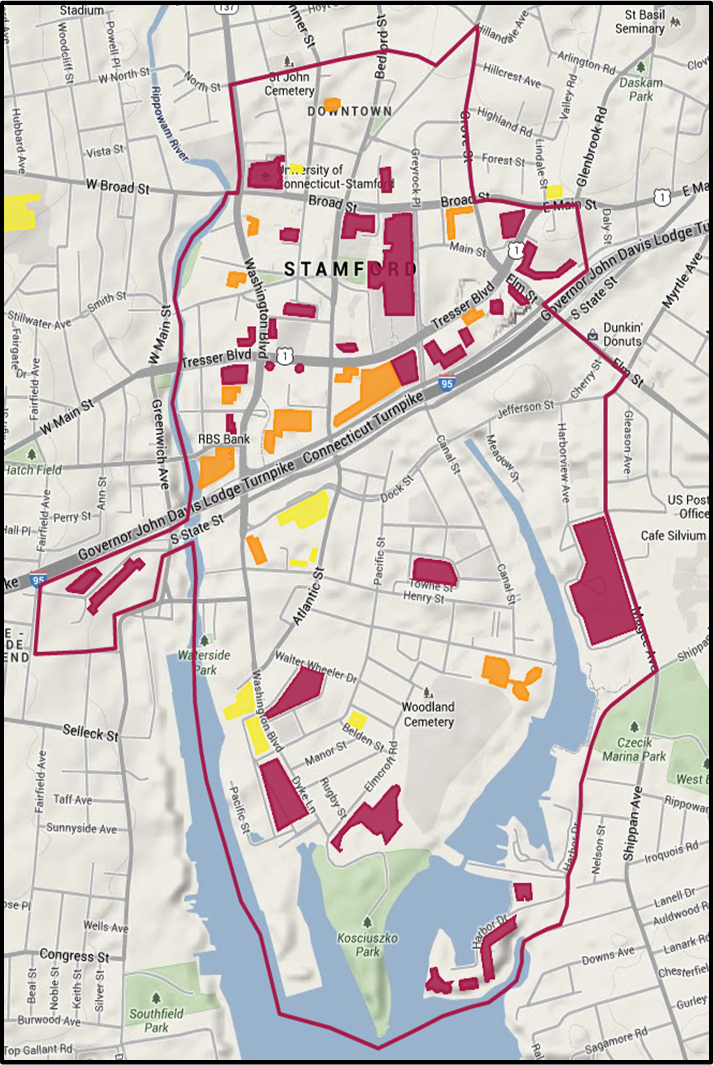
The Stamford 2030 District – launched this past  November - is an interdisciplinary public-private-nonprofit collaborative working to create a groundbreaking high performance building district in downtown Stamford.  Leading the way in the Stamford 2030 District are the Business Council of Fairfield County and Connecticut Fund for the Environment. As Stamford is a coastal city, its 2030 District will also implement a proactive vision to ensure resiliency against projected sea-level rise and storm surge.

The Stamford 2030 District – the first in New England - began with 23 founding members, including 11 property owners and 12 prominent professional and community stakeholders committed to meeting the 2030 Districts goals and targets. High performance buildings have proven track records of simultaneously increasing business and property profitability, reducing environmental impacts, and improving occupant health.Stamford

Now in the process of assessing the District’s current building performance levels, one-on-one assistance is provided to property owners and managers in benchmarking their buildings.  In addition, a first-time webinar will be held this week, on Wednesday, February 18, with several founding members highlighting best practices and procedures:

  • Jay Black of SL Green Realty/Reckson Properties will offer industry perspective through his experience with benchmarking buildings in both NY and CT.
  • WegoWise will present an overview of their web-based software that is able to benchmark a portfolio and provide deeper analytics into a buildings’ energy performance to find savings opportunities.
  • Steven Winter and Associates will demonstrate how to take benchmarking a step further with tools such as building energy audits to help identify opportunities within the building.
  • New Neighborhoods, Inc. will serve as a case study project in Stamford that has contracted with WegoWise for their benchmarking and will share their experience.

Officials indicate that District Members develop realistic, measurable, and innovative strategies to assist district property owners, managers, and tenants in meeting aggressive goals that keep properties and businesses competitive while operating buildings more efficiently, reducing costs, and reducing the environmental impacts of facility construction, operation, and maintenance.

Stamford2030boundary“These collective efforts will establish the Stamford 2030 District as an example of a financially viable, sustainability focused, multi-sector driven effort that maximizes profitability and prosperity for all involved. Through collaboration of diverse stakeholders, leveraging existing and developing new incentives and financing mechanisms, and creating and sharing joint resources, the Stamford 2030 District will prove the business case for healthy and high performing buildings.”
Property owners and managers are voluntarily committing their properties to Stamford 2030 District goals; they are not required to achieve the District goals through legislative mandates or as individuals.

“Stamford is already a business leader in Connecticut. The Stamford 2030 District will make the city a sustainability leader nationwide,” said Megan Saunders, Executive Director of the Stamford 2030 District. With over 170 million square feet of commercial building space (including 6 million thus far in Stamford), 2030 Districts are rapidly emerging as a new model for urban sustainability, officials indicate.

The Stamford 2030 District provides members a roadmap and the support they need to own, manage, and develop high performance buildings by leveraging Community and Professional Stakeholders, market resources, and by creating new tools, partnerships, and opportunities to overcome current market barriers. This type of collaborative action is not only a strategic undertaking to keep Stamford competitive in the year 2030, but also represents a major investment in Stamford's future and reflects the collaborative nature of our region.

School Suspensions Down, But Students of Color, Low Income Receive Disproportionate Share

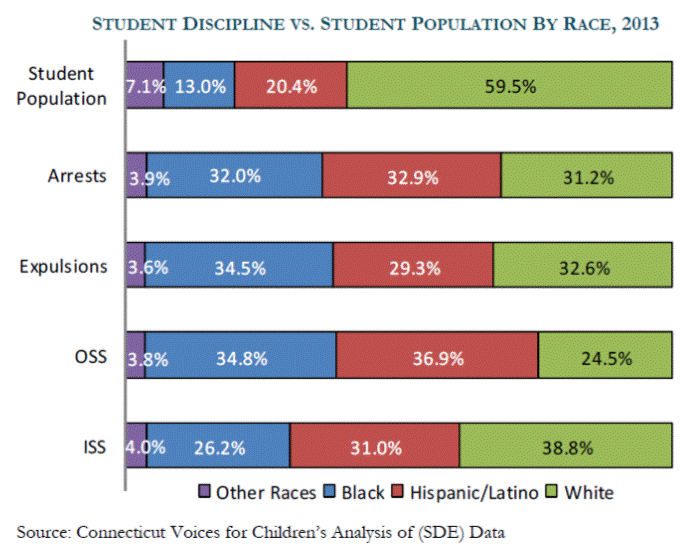
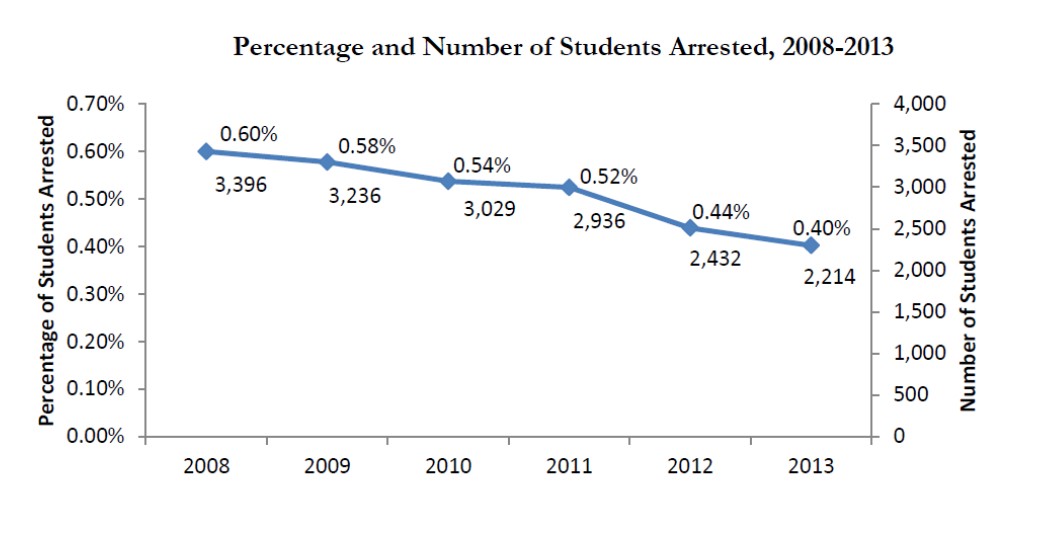
There’s good news and bad news in a new analysis of suspensions, expulsions, and arrests of students in Connecticut schools.  The report, by Connecticut Voices for Children, found that overall significantly fewer students have been excluded from the classroom in recent years, but that suspension, expulsion and arrest rates were much higher for minority students, special education students, and students from poorer districts.arrested The report also found that “many of these discipline measures were used for behaviors that were probably not criminal and could likely have been handled within the school.”  Stressing that “children learn best when they are in school,” the report indicated that “arrests, expulsions, and suspensions are often costly, ineffective, and unnecessary.”

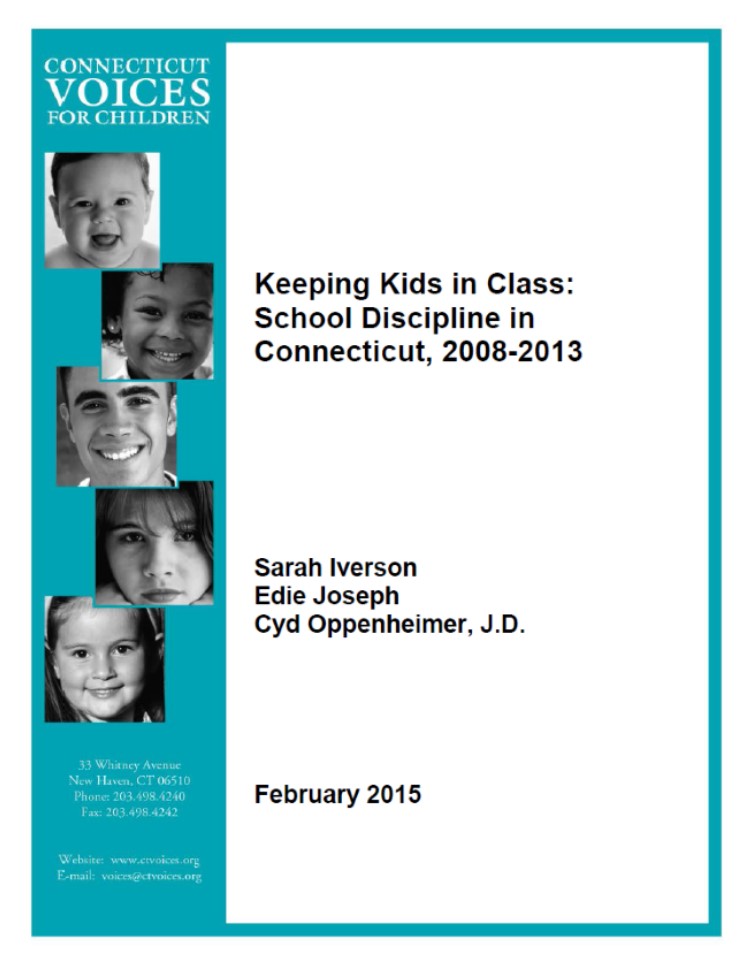
Connecticut Voices for Children is a research and advocacy organization that works to improve opportunities for the state’s children, youth and families. The report, “Keeping Kids in Class: School Discipline in Connecticut, 2008-2013,” uses data provided by local school districts, found that in 2013, 7.4 percent of all students received at least one expulsion or suspension, down from 8.5 percent as recently as 2011.

First, the good news:

  • The number of students arrested, expelled, and suspended in Connecticut has decreased significantly in recent years. In the 2013 school year, Connecticut schools arrested 35 percent fewer students, expelled 31 percent fewer students, and gave out of school suspensions to 47 percent fewer students than in 2008.

The not-so-good news:

  • Despite the overall reduction in these “exclusionary” school discipline practices, many students are still removed from the classroom for non-criminal behaviors that could, in the view of Connecticut Voices, be managed in the classroom. “School policy violations” – such as skipping class, insubordination, or using profanity – were involved in 9 percent of student arrests, 6 percent of expulsions, 50 percent of out-of-school suspensions, and 79 percent of in-school suspensions in 2013.report

From 2008-2013 the percentage of students suspended out-of-school fell from 4.9% to 2.7%. During the same time period, the percentage of students suspended in-school increased from 4.9% to 5.2%.

Of particular concern was the data related to students of color and those with limited financial resources or disability:

  • In 2013, black students were 4.7 times more likely to be arrested, 4.9 times more likely to be expelled, and 6.5 times more likely to be suspended out-of-school than white students.
  • Hispanic students were 3.1 times more likely to be arrested, 2.6 times more likely to be expelled, and 4.4 times more likely to be suspended out-of-school than white students.
  • Special education students were arrested at 3 times the rate of general education students, and they were 1.8 times more likely to be expelled, and 2.6 times more likely to receive out-of-school suspensions.
  • Students in the poorest urban areas were arrested nearly 23 times more often, expelled over 17 times more often, and suspended out-of-school 24 times more often than students in the wealthiest suburban areas.suspensions

Based on the data, the report makes a series of recommendations for the state Department of Education and policymakers to consider, including:

  • Require districts with police stationed in schools to create a memorandum of agreement between the schools and police that sets ground rules concerning arrests. Promote police and educator training, such as that provided by the state’s Juvenile Justice Advisory Committee, which offers instruction to officers and educators in understanding and responding productively to adolescent behavior.
  • Implement preventive strategies and alternative discipline measures to reduce racial and other disparities and ensure those excluded from school are provided equal opportunities.
  • Establish and support community collaborations across the state. National studies show that engaging all stakeholders in the discipline process positively impacts student behavior and achievement.

The top 10 reasons for expulsion in 2013:  1) drug/alcohol/tobacco, 2) weapons, 3) fighting/battery, 4) personally threatening behavior, 5) school policy violations, 6) theft/theft related behaviors, 7) verbal confrontation/conduct unbecoming 8) violent crimes against persons, 9) sexually related behavior, and 10) property damage.

The report concludes that “the disproportionate rate by which students of color and students from poorer districts are excluded from school may in fact contribute to widening the achievement gap; students from less privileged backgrounds will continue to perform worse than their more advantaged peers if they are excluded from the classroom in the first place.”

The report also recommends expanding access to behavioral and mental health services and utilize Juvenile Review Boards (JRBs), locally-run groups that offer a diversionary alternative to the court system for youth who have committed minor delinquent acts or misdemeanors.  In addition, it calls for improving data collection by clearly defining “student arrests” (not currently defined by the state) and collecting and publishing data on all student arrests (currently not required for all incidents resulting in arrests).

“This report tells us that many schools in Connecticut have reformed their disciplinary practices and reduced student arrests, expulsions and out-of-school suspensions,” said Ellen Shemitz, Executive Director of Connecticut Voices for Children. “Yet these reforms have not benefited all children equally. How can we hope to reduce the yawning achievement gap when school disciplinary practices push minority children out of school at disproportionate rates?”

West Hartford, North Haven Hearing Opposition to Native American Nicknames for School Athletics

West Hartford is the latest community to consider whether the time has come to change the name of its high school sports teams, in order to drop longstanding names that may be insensitive to Native American culture.  The town, which has two high schools – one nicknamed the Warriors, the other ncalled the Chieftans – will hold a public forum to discuss the mascots on Thursday, Feb. 12. Last month in North Haven, controversy erupted regarding the Indians name for its high school teams, with competing petitions urging a name change and retention of the name surfacing online.  The change.org petition urging a change has 728 signatures to date, with the goal of “formally get the attention of the North Haven Board of Education, allow for some serious discussion on this issue.”  The petition advocating continuing tradition and retention of “Indians” has amassed 2,067 signatures on-line.hall, conard

The issue has come up sporadically around the state for more than a decade, and has intensified in West Hartford, North Haven and across the state as part of a wider national conversation about whether Native American symbols and mascots are inherently racist and therefore inappropriate.

West Hartford’s Hall High School has dropped the use of an American Indian head as its logo, though the warrior remains the school mascot, the Hartford Courant has reported. Conard's mascot is the chieftain, and although sports teams have gradually phased out use of the American Indian head logo, the image still exists elsewhere, such as the masthead of the student newspaper, "The PowWow." The student-led pep club at Hall is also named "The Reservation," and Conard's pep club is "The Tribe."  The website we-ha.com has reported that Conard students, teachers, coaches, and alumni have elicited the opinion of the Mohegan tribal leadership regarding the West Hartford high school’s mascot and name, and the name was discussed by students last December as part of a Human Rights Day program.AUoZA5as

Derby High Schools’ teams continue to be known as the “Red Raiders,” using an arrowhead logo, and Killingly High School's teams are known as the Redmen.  In Torrington, the schools’ website refer tDHSbanner7o their teams as “Raiders” – not “Red Raiders.”   Promoting their 2014 Thanksgiving Day football rivalry, the Torrington website said “Come out to see the Raiders take on the Watertown Indians in the 49th renewal of this holiday classic. The Raiders have held off the Indian attack the past two seasons…”

Norwich Technical High School, continues to use the nickname Warriors for its baseball, track, tennis, volleyball and most other school teams.  In some instances, Norwich Tech has combined teams with other local high schools, resulting in students playing on the Crusaders (football) or Saints (wrestling).indians

Just six months ago, the New Haven Register reported that “at least 23 high school teams in the state have names associated with Native Americans that could be considered offensive.

Northwest Catholic High School in West Hartford told WFSB-TV last spring that the school’s teams no longer officially use the name “Indians,” but as of this week, the schools website continued to feature its parent booster club as the “Tomahawk Club.” At Glastonbury High School, the athletics teams are called the “Tomahawks.”

The Guilford Public Schools Student-Athlete and Parent Handbook for 2013-2014 includes the following explanation at the front of the book:  “Guilford High School is proud of its heritage and its friendly relations with the Native Americans that inhabited the land we now call Guilford. To demonstrate this pride, Guilford High School began to use Indian names and symbols for its yearbooks and athletic teams during the l940's. We believe it is our obligation as an educational institution to inform our public about the history of our community and the role the Native American played. The use of the Indian symbol is meant to serve as a reminder of our past and should be held in the highest regard at all times.”raiders

The unofficial list of high school team nicknames that are receiving attention regarding their athletic team nicknames or mascots, in addition to those described above:

Canton High School (Warriors), Enfield High School (Raiders), Farmington High School (Indians), Guilford High School (Indians),  H.C. Wilcox Technical (Meriden) High School (Indians),Killingly High School (Redmen), ManG tomahawk Drawstring bagchester High School (Indians), Montville High School (Indians), and Newington High School (Indians).  Also, the Nonnewaug (Woodbury) High School (Chiefs), North Haven Senior High School (Indians),  RHAM Junior Senior High School (Sachems), Valley Regional (Deep River) High School (Warriors), Wamogo (Litchfield) Regional High School (Warriors), Watertown High School (Indians), Wilcox Technical (Meriden) High School (Indians), Wilton High School (Warriors), Windsor High School (Warriors), Windsor Locks High School (Raiders).