Report Calls for Transition to Livable Communities Across Connecticut
/In Connecticut, more than one-third of the population is over the age of 50, and that proportion continues to increase. Connecticut’s Legislative Commission on Aging has issued “Connecticut for Li vable Communities,” a new report to the state legislature which outlines more than 50 recommendations for communities looking to enhance livability.
The Commission has also launched a website which includes a list of communities that are responding to the call for more livable communities, and suggests a wide range of actions that communities can take.
vable Communities,” a new report to the state legislature which outlines more than 50 recommendations for communities looking to enhance livability.
The Commission has also launched a website which includes a list of communities that are responding to the call for more livable communities, and suggests a wide range of actions that communities can take.
Connecticut is undergoing a permanent and historic transformation in its demographics, the report points out. Between 2010 and 2040, Connecticut’s population of people age 65 and older is projected to grow by 57 pe rcent, with less than 2 percent growth for people age 20 to 64 during the same period.
Livable communities are vibrant, inter-generational places that are easy to get around, according to the report. “They include affordable, appropriate housing options, supportive community features and services, and adequate mobility options. They foster independence, engage residents in civic and social life, and allow people to age in place. Done well, they benefit community residents across the lifespan.”
The 50-page report indicates that residents born in Connecticut today can expect to live to be 80.8 years old - the third highest life expectancy in the nation. A lengthy series of recommendations are highlighted in seven different areas: community engagement, health and well-being, housing, planning and zoning, safety and preparedness, social and support services, and transportation.
The recommendations include promoting opportunities for intergenerational collaboration, promoting in-home programs that improve health outcomes, creating a balanced transportation system that connects residents with health care services, and adopting policies that encourage incorporation of accessible housing features into new construction. The recommendations also include a call for municipal plans of conservation and development that include planning for older adults and individuals with disabilities to remain in their homes and communities, and building compact, mixed-use development “to encourage walking and eyes on the street.”
Creating livability requires “robust partnerships, long-range planning and sustained commitment.” To support those efforts the Legislative Commission on Aging plans to be:
- Providing educational opportunities on livable communities for community leaders and other partners in Connecticut;
- Creating partnerships to support the multi-faceted, multi-disciplinary endeavor of creating livable communities;
- Supporting, inspiring and incentivizing communities to enhance livability; and developing policies to support aging in place
To help communities implement the recommendations over time, the Commission plans to:
- Recognize localities that have implemented livable communities initiatives, pursuant to Public Act 14-73 (which established the livable communities initiative)
- Expand partnerships across multiple sectors to advance livability,

- Continue to convene municipal leaders, legislators and other thought leaders for statewide and regional forums on creating livability;
- Continue to identify funding opportunities for municipal leaders, seeking to implement or sustain livable communities initiatives;
- Work with partners to conduct asset mapping across all Connecticut communities, with the goal of helping each community understand its facilitators and barriers to developing livable communities;
- Continue to research models in other states, nationally and internationally;
- Work with the Connecticut General Assembly to identify and advance policy solutions that incentivize and inspire the creation of livable communities;
- Provide technical assistance to Connecticut communities seeking to enhance or promote livability; and
- Create town-specific data profiles to enable towns to enhance livability in a targeted and strategic fashion.
Among the communities listed on the new website as having best practices in place in parts of their towns or cities are Branford, Guilford, Madison, Bridgeport, Danbury, Darien, Enfield, Hartford, Middletown, New Haven, New Canaan, Norwalk, Seymour, and Torrington. The Commission plans to proceed with "asset mapping across all Connecticut communities" and "continue to identify innovations, ideas, and best practices for implementing livability in the state. "


 In addition, it calls for creation of a consent form for parents of student athletes to sign on the warning signs, symptoms and treatment of SCA and relevant school policies. Similar legislation has already been adopted in Pennsylvania, several other states are also considering SCA bills, according to the SCAF. The provisions of the new law take effect a year from now, with the school year that begins in the fall of 2015.

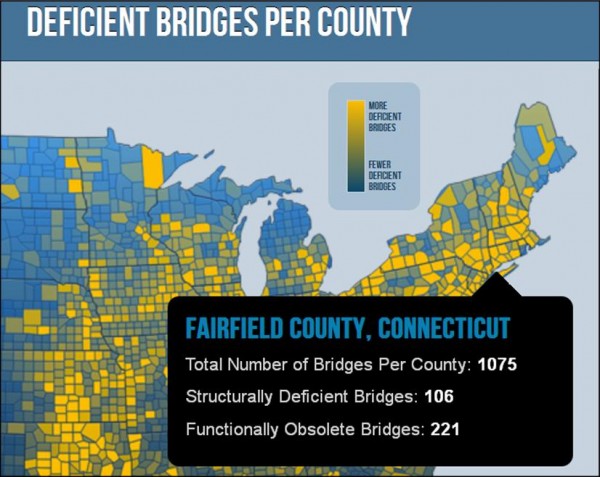



 percent of the total population, older adults over the age of 65 years old accounted for more than 28 percent of pedestrian fatalities between 2003 and 2010 and a pedestrian fatality rate of 2.76 in Connecticut. The worst state pedestrian fatality rates (per 100,000 persons aged 65 and older) are in Hawaii, California, New York, District of Columbia, Florida, Nevada, New Jersey Utah and Idaho.
 valuating schools’ veteran-focused operations, the publication considered more than a dozen different measures of academic success, quality and rigor, as reported by schools and the Education Department, to develop the rankings.
 n benefits, BAH and book stipends from the VA.
 re available at all prisons and jails in the state, with comprehensive mental health programs at Osborn, Northern, York, Manson Youth, and Garner correctional institutions. Mental health services are comprehensive from admission to discharge, the website explains, and “focus on access to care and outreach, screening and assessment, identification, treatment planning, classification, provision of distinct levels of service and continuity of care upon discharge to the community.”
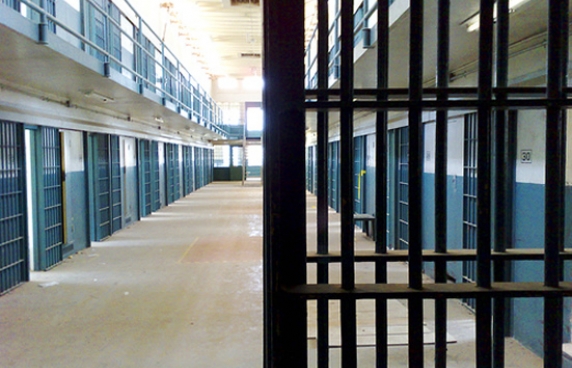 s. Thoughtful release planning and progressive probation or parole procedures increase the likelihood of successful re-entry for prisoners living with mental illness.”

 mploys approximately 100 people, with national headquarters in Newington.
 ntennial-themed activities,” Inderbitzen added, “including coach bus trips to ARRL headquarters and W1AW—the Hiram P. Maxim Memorial Station in nearby Newington. We want ARRL members to come with all of their experiences from the first one hundred years of Amateur Radio and ARRL, and leave with a shared vision for ARRL’s second century.”
 The proposal was also supported by the
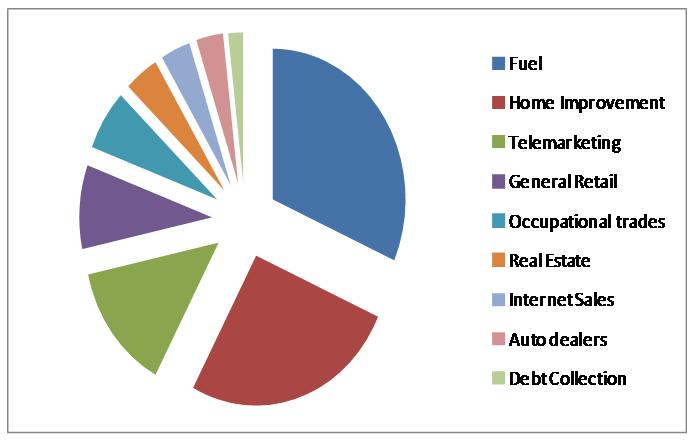
  The state agency received a total of 6,008 written complaints in 2013, while the number of phoned-in complaints and questions numbered in the tens of thousands. The areas included in the ten leading causes of consumer complaints accounted for nearly 60 percent of the written complaints during the year.