

Most Valuable States in America: Connecticut Ranks #3
/A recent study estimates that the combined value of all land in the contiguous United States is worth nearly $23 trillion. The most valuable state, according to the survey, is California, which accounted for 17 percent of the total value of the 48 bordering states. New Jersey, however, had the most valuable real estate relative to its size, estimated at $196,400 per acre, or 16 times the average value per acre across the contiguous U.S. Connecticut ranked third overall. Although the third smallest state in the country, containing just over 3 million acres, Connecticut is also one of just four states where land is valued at over $100,000 per acre on average. By contrast, the estimated value of an average acre across the country is just over $12,000.
The study, authored by William Larson, senior economist at the Federal Housing Finance Agency and previously at the Bureau of Economic Analysis, estimated the value of different property types, including agricultural areas, federal land, and developed suburban and urban areas. The study is featured on the website 24/7 Wall St.
States with generally larger rural areas tended to have a lower value relative to their size, while more densely populated states that contain large urban centers had the highest estimated worth per acre. The value of Connecticut’s land is reflected in the higher cost of a house in the state. The typical house is worth $267,200, compared to a national median home value of $181,200, according to the analysis.
Key data for Connecticut includes:
- Value of land per acre: $128,824
- Total value: $400 billion (18th highest)
- Total acres: 3.1 million (3rd lowest)
- Percent land mass rural: 62.3% (4th lowest)
The top 10 “most valuable” states: New Jersey, Rhode Island, Connecticut, Massachusetts, Maryland, Delaware, New York, California, Ohio, and Pennsylvania. Next are Florida, Michigan, Illinois, Virginia, New Hampshire, South Carolina, Indiana, Washington, North Carolina and Tennessee.
 The analysis points out that the type of land in a given area has a significant impact on its worth. Agricultural and other largely undeveloped areas are generally worth significantly less than cities and suburbs land. Developed land, or land where housing, roads, and other structures are located, is valued at an estimated $106,000 per acre, while undeveloped land was estimated at $6,500 per acre, and farmland at only $2,000 per acre, according to the analysis.
That said, the analysis notes that it is not surprising that most of the states with the highest per acre land values are predominantly urban, such as New Jersey, Rhode Island, Connecticut, and Massachusetts. These Northeastern states are smaller and have less rural acreage “to bring the average value down.” The data reflects that the six most valuable states were also among the 10 smallest states by landmass. In New Jersey, for example, 39.7 percent of the area is considered urban, compared to a national urban share of just 3 percent.
The entirety of Delaware is worth just $72 billion, the second smallest total value compared to the other states in the lower 48, the analysis notes. On a per acre basis, however, the state is valued at $57,692 on average, the sixth highest in the country. Just behind Delaware is New York, with more than 30 million acres worth $41,314 each, on average. In total, the Empire State’s acreage is worth $1.25 trillion, based on the analysis. Because of the large rural areas in the state, the analysis explains, less than 10 percent of New York’s total area is considered developed. However, that developed property is so valuable it accounts for roughly two-thirds of the state’s total value.
All 10 of the states with the largest proportions of federally-owned land are west of Kansas, reflecting the way in large swaths of that land entered the United States at various junctures in U.S. history. The Louisiana Purchase and the conclusion of the Mexican-American War left considerable areas across the western United States in the hands of the federal government.
While less than 25 percent of all land in the lower 48 states is owned by the federal government, in Nevada, as one prime example, the third least valuable state by acre, 86.8 percent is federal, the highest share in the country. As a result, western states with a lot of federal land tend to have lower average values per acre. More than 30 percent of land in nine of the 15 “least valuable” states was federally-owned as of 2009.

 le, more active and transit-accessible downtowns. At the same time, an increasing demand for downtown living is paralleled with a general lack of diverse and affordable housing choices. Upper story space in existing older buildings is vacant and available, but expensive to renovate.
 for policies and regulations that support and enhance our main streets, as well as identifying more and better models of downtown management, including training, education, and communication for downtown professionals. Championing sustainable financing for these downtown organizations will also be a priority.


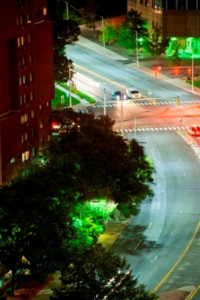 In addition to its impact on drivers, the AMA notes that blue-rich LED streetlights operate at a wavelength that most adversely suppresses melatonin during night. It is estimated that white LED lamps have five times greater impact on circadian sleep rhythms than conventional street lamps, the AMA indicated. Recent large surveys, according to the AMA, found that brighter residential nighttime lighting is associated with reduced sleep times, dissatisfaction with sleep quality, excessive sleepiness, impaired daytime functioning and obesity.
 The Conversation website is a collaboration between editors and academics to provide "informed news analysis and commentary that’s free to read and republish." It
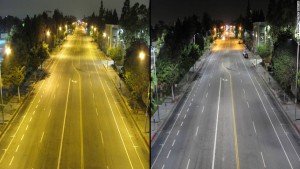 PHOTO: Traditional street lighting (left) vs. LED lighting (right).


 Lewis’ commitment and dedication impressed the judging panel.




 “Wholesome Wave is thrilled by the innovations that USDA is supporting through the new FINI grants, which are taking the work of increasing affordable access to healthy food to even greater levels of impact,” said Michel Nischan, CEO & Founder of Wholesome Wave. “So many SNAP shoppers are working parents with limited time to source healthier food choices. Through the new Farm-to-Grocery model, our partners in Connecticut and Vermont will be able to expand affordable access to SNAP consumers in a way that allows them to find and purchase more healthy food from a variety of retailers.”



 rly lost her life due to the carelessness and irresponsibility of a negligent driver who failed to obey the stop sign and also failed to avoid colliding with a cyclist. My wife’s journey to this date has been exceedingly long and tortuously painful. She has endured nearly 30 arduous surgeries and has been left with a body and mind crippled with pain and post traumatic stress.
 organize a bike tour to raise money for their program. Nearly 10 months later, the bike tour raised $12,000, which went toward purchasing four recumbent bicycles.





















