Add a Teen Driver to Policy? Rates Double in CT, 8th Highest Increase in Nation
/Adding a teen driver to the family automobile insurance policy drives up rates. That’s true everywhere across the United States, and in Connecticut the increase is among the highest in the nation, almost doubling the policy's premium. A new survey reveals that the average premium increase in Connecticut when adding a teen driver to an existing policy is 96.3 percent, which is the 8th highest increase in the U.S. The only states with higher jumps in premiums are New Hampshire, Rhode Island, Arizona, Wyoming, Ohio, Oregon and Maine.
The study, by in suranceQuotes, found that the average increase in premiums across the country when a teen driver is added to an existing policy is 79 percent. That is a slight improvement from a few years ago, when the increase nationwide averaged 84 percent.
The study also found that it costs more to add a young male driver than a female driver to an existing policy - adding a male teen to a married couple's policy results in a national average premium increase of 91 percent, compared to an increase of 67 percent for a female. The difference is wider the younger the driver. For 16 year old male driver is added, for example, the premium cost more than doubles on an existing policy.
Connecticut has consistently been ranked in the top ten, with among the highest increases when a teenage driver is added to an existing policy. A year ago, Connecticut was ranked 7th, with a 98.3 percent increase in insurance rates after adding a teen driver. The previous year, Connecticut ranked 5th in the annual survey, with an increase of 102.4 percent in the policy cost when a teen driver was added.
According to the data, the largest increases in Connecticut were in New Haven County, more than 11 percent higher than the statewide average. Tolland, Windham, Middlesex and New London counties were slightly lower than the statewide average; Hartford and Fairfield counties slightly higher.
Laura Adams, senior insurance analyst at insuranceQuotes stressed that states differ considerably when it comes to the cost of insuring a teenage driver – noting that a teen added to a married adult's auto policy in New Hampshire results in an average annual premium increase of 125 percent, while in Hawaii the average increase is just 17 percent. New Hampshire had the highest increase in each of the past three years.
"Insurance companies have pretty wide lattitude in many states in the reasons for raising rates, and in some states adding a teen really moves the needle," Adams told CT by the Numbers. As for Connecticut, Adams said she doesn't see any reprieve anytime soon. "Teen drivers are among the riskiest, and companies take advantage of the opportunity to raise rates."
 Perhaps the most significant underlying factor is that each state regulates insurance differently, and those regulatory differences account for some of the variations in the study’s findings, according to insuranceQuotes. For instance, Hawaii is the only state that doesn't allow insurance providers to consider age, gender or length of driving experience when determining premiums. That means that the cost for teens doesn't differ much from the cost for adults buying auto insurance. This may also account for lower increases in states such as New York, Michigan and North Carolina, where insurance is regulated more strictly and rating factors are more stringent, insuranceQuotes points out. The increases in those states when adding a teen to an existing policy were all below 60 percent, among the lowest increases in the nation.
Adams noted that people often notice the difference in rates when they move to another state. "You are penalized for where you live. States handle this very differently."
She added that "regardless of the costs to insure your teen driver, safety is the No. 1 priority. We suggest parents educate teens on the dangers of driving, especially when it comes to texting while driving, or driving under the influence.”
Kathy Bernstein, senior manager of the National Safety Council's Teen Driving Initiatives, told insuranceQuotes that the riskiness of teens behind the wheel may be "leveling off." For instance, in 1978 there were nearly 10,000 teen driver deaths, according to the Insurance Institute for Highway Safety (IIHS). That number has dropped every year since then. In 2014, the number of teen driver deaths was about 2,600. The percentage of teens on the road has steadily declined as well. According to a recent study from the University of Michigan, 69 percent of 17-year-old Americans had a license 30 years ago. Now, less than half have a license - 45 percent.
Adams indicated that as teen drivers get older and gain driving experience, rates tend to come down, unless, of course, they happen to have an accident in which they are at fault. In those instances, "very high rates" result.
For the annual study, insuranceQuotes and Quadrant Information Services examined the economic impact of adding a driver between the ages of 16 and 19 to a family's existing car insurance policy. The insuranceQuotes website provides consumers with a free, easy way to compare insurance quotes online for auto, home, health, life and business policies.



 In recent years, the Connecticut program, coordinated by Connecticut’s Old State House with support from Connecticut Humanities, has grow in numbers and in the quality of the students’ work, organizers point out. This year, Connecticut History Day had 10,600 points of contact with Connecticut students, teachers, parents and history professionals, including workshops for 4,500 students—twice last year’s number.

 The analysis points out that the type of land in a given area has a significant impact on its worth. Agricultural and other largely undeveloped areas are generally worth significantly less than cities and suburbs land. Developed land, or land where housing, roads, and other structures are located, is valued at an estimated $106,000 per acre, while undeveloped land was estimated at $6,500 per acre, and farmland at only $2,000 per acre, according to the analysis.

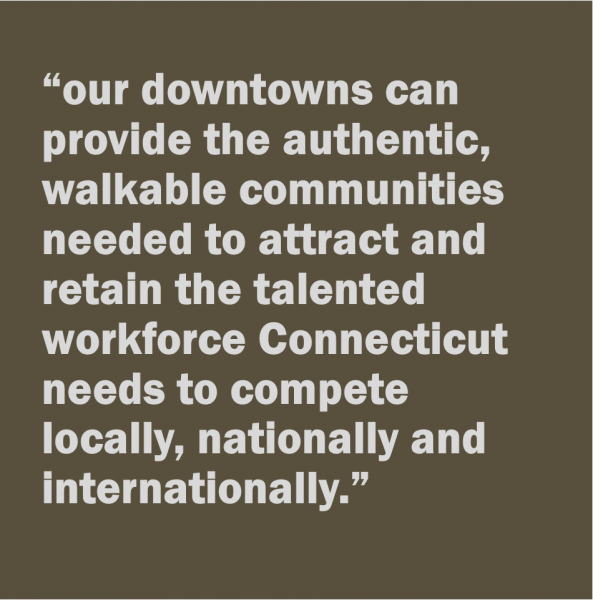 le, more active and transit-accessible downtowns. At the same time, an increasing demand for downtown living is paralleled with a general lack of diverse and affordable housing choices. Upper story space in existing older buildings is vacant and available, but expensive to renovate.
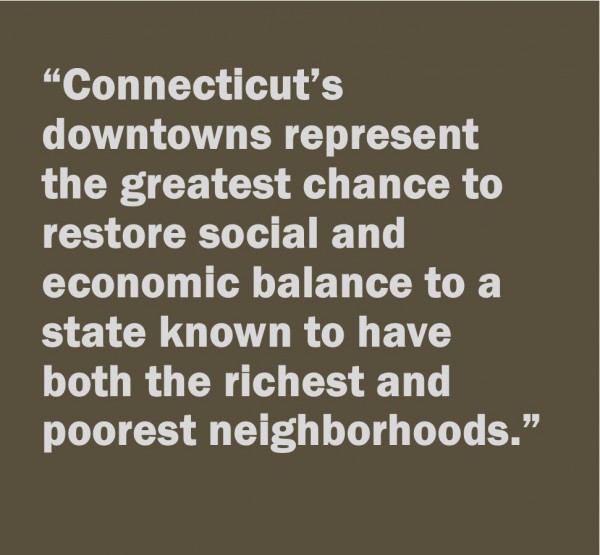 for policies and regulations that support and enhance our main streets, as well as identifying more and better models of downtown management, including training, education, and communication for downtown professionals. Championing sustainable financing for these downtown organizations will also be a priority.

 In addition to its impact on drivers, the AMA notes that blue-rich LED streetlights operate at a wavelength that most adversely suppresses melatonin during night. It is estimated that white LED lamps have five times greater impact on circadian sleep rhythms than conventional street lamps, the AMA indicated. Recent large surveys, according to the AMA, found that brighter residential nighttime lighting is associated with reduced sleep times, dissatisfaction with sleep quality, excessive sleepiness, impaired daytime functioning and obesity.
 The Conversation website is a collaboration between editors and academics to provide "informed news analysis and commentary that’s free to read and republish." It
  PHOTO: Traditional street lighting (left) vs. LED lighting (right).

 Lewis’ commitment and dedication impressed the judging panel.



 “Wholesome Wave is thrilled by the innovations that USDA is supporting through the new FINI grants, which are taking the work of increasing affordable access to healthy food to even greater levels of impact,” said Michel Nischan, CEO & Founder of Wholesome Wave. “So many SNAP shoppers are working parents with limited time to source healthier food choices. Through the new Farm-to-Grocery model, our partners in Connecticut and Vermont will be able to expand affordable access to SNAP consumers in a way that allows them to find and purchase more healthy food from a variety of retailers.”

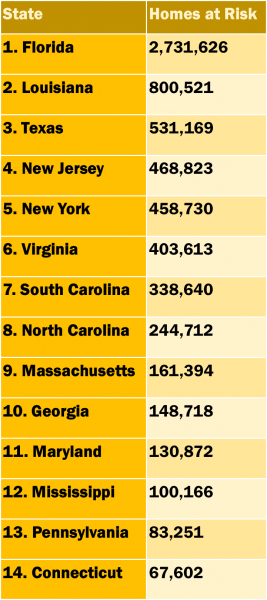 Among neighboring states, Connecticut ranked behind Massachusetts, New York and New Jersey.