Fuel Companies, Home Contractors Top List of Consumer Complaints in 2013
/
Complaints about home improvement contractors, the perennial front-runner among Connecticut consumers, were eclipsed in 2013 by complaints about fuel-related companies, according to the state Department of Consumer Protection (DCP). The two categories made up nearly one-third of all consumer complaints to the department.
The agency’s annual “Top Ten” list of consumer complaints, based on a review of more than 6,000 written consumer complaints received in 2013, saw fuel-related complaints rise to the top for the first time. Fuel companies were the subject of 17.5 percent of consumer complaints, while home improvement contractors caused 14.5 percent of complaints fiiled during the year.
Telemarketing, retail and Internet complaints, real estate and auto dealer complaints retained their place on the list, and some business closures also led to increased complaints in some areas, officials said. Telemarketing continued to rank third, as it has in recent years.
 The state agency received a total of 6,008 written complaints in 2013, while the number of phoned-in complaints and questions numbered in the tens of thousands. The areas included in the ten leading causes of consumer complaints accounted for nearly 60 percent of the written complaints during the year.
The Top Ten categories for consumer complaints received by DCP in 2013:
1. Fuel – gasoline, propane, oil (17.5% of all complaints) – The sudden closure of a home heating oil delivery company earlier last year helped to fuel a spike in consumer complaints involving fuel and fuel related categories. Gas pump “jumps,” bad or short firewood, gas pump signage and propane delivery were topics described in consumers’ complaints last year. The agency is proposing legislation this year to further improve consumer protections under pre-paid fuel contracts.
2. Home improvement/New home (14.5%) – Up slightly from 2012, complaints about home improvement contractors and new home builders are common and typically involve issues such as unfinished work, improper contracts, damage to home or property, shoddy materials, non-return of deposit. Contractors should be registered with the Department of Consumer Protection and consumer contracts should indicate that consumers have three business days to cancel the contract.
3. Telemarketing (7.6%) – This category often includes complaints about some entities not currently covered by the Do Not Call law, and includes complaints about numerous businesses flouting the Do Not Call law. Where a number can be traced to a Connecticut business, the Department enforces the Do Not Call law. However, non-traceable numbers, out of state and out of country numbers are provided to the Federal Trade Commission for enforcement. 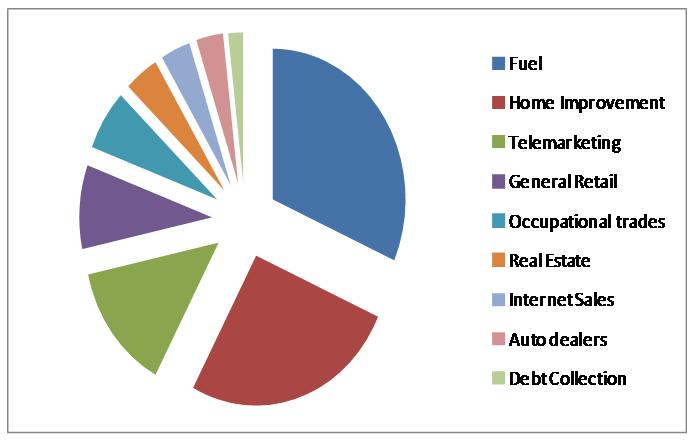
4. General retail (5%) – These complaints involve bricks and mortar stores, and generally include problems with refunds, exchanges, warranties, rebates, advertising, or service.
5. Occupational trades (3.6%) – DCP investigates complaints related to the occupations that it regulates, including work performed by tradespersons such as plumbers, electricians, home inspectors, well drillers, heating and cooling contractors, and others.
6. Real estate (3.3%) – DCP licenses and regulates real estate salespersons, brokers and appraisers, and it also responds to consumer complaints about contract errors, misleading advertising, buyer/seller agreement violations, alleged fraud, and property valuation.
7. Restaurant (2.3%) – In 2013, closures led to a spike in restaurant complaints which is not usually a major category of consumer complaints. A major wedding reception facility in the Hartford area closed, leaving brides-to-be without their deposits or a venue for their reception. Smaller restaurant closings and consumers’ subsequent loss of gift card value also contributed to a higher than normal complaint tally in 2013.
8. Internet Sales (2%) – Problems in this category include include non-delivery of items or overcharges, companies that engage in repeat billings, unauthorized charges or ACH withdrawals, or that do not respond to “opt out” requests from consumers.
9. Auto Dealer (1.8%) – Issues include non-delivery of ordered vehicles, over-charges, warranties, rebates, advertising, or aggressive sales tactics.
10. Debt collection (less than 1%) – Consumers report harassing behavior on the part of debt collectors. Sometimes consumers complain that they will not pay the debt for a service or product that doesn’t work. Anyone who has a problem with something that they owe payments on must complain to the original seller about the problem, not to the debt collection agency, officials advised. Debt collectors are not allowed to be abusive, nor threaten any action that they cannot or will not reasonably undertake. Consumers have the right to dispute a debt in writing.
 presentations focused on innovative techniques and new technology for teaching Spanish, Chinese, French, and Italian in the classroom.


 elphia, and will meet next month in Houston.
 end of 2014, an additional nine states may be above the federal minimum, marking the first time minimum pay in most states will be above the federal level, according to the National Employment Law Project, as reported by
  o the current $7.25/hour, the federal minimum has lost about 5.8% of its purchasing power to inflation, Pew points out.
 rom the Beer Institute and the Alcohol and Tobacco tax and Trade Bureau. There were 3,699 permitted breweries in the United States last year, about 34 percent more than the previous year.
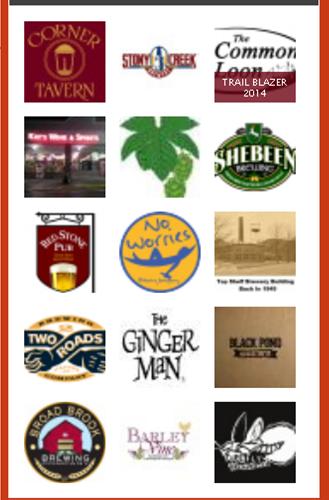
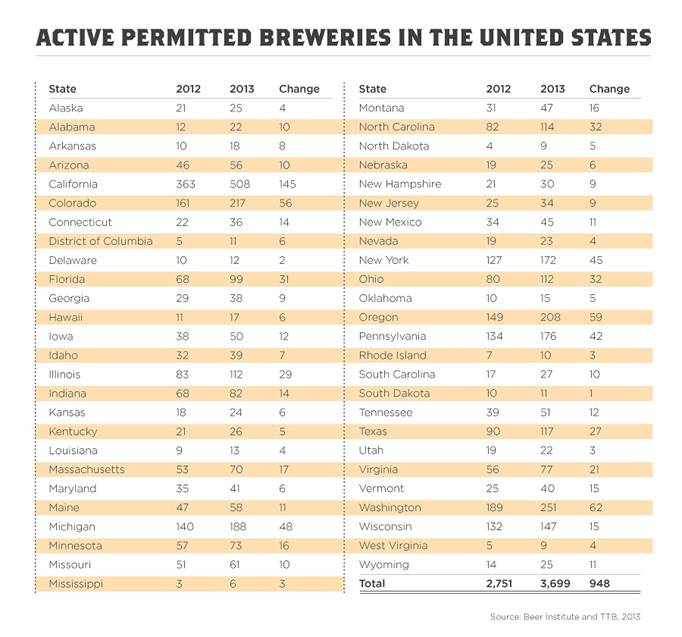 he comparative survey, permitted breweries refer to manufacturers that have completed the appropriate paperwork and obtained the necessary permits to operate, though they may not be fully operational yet, according to Bloomberg.com .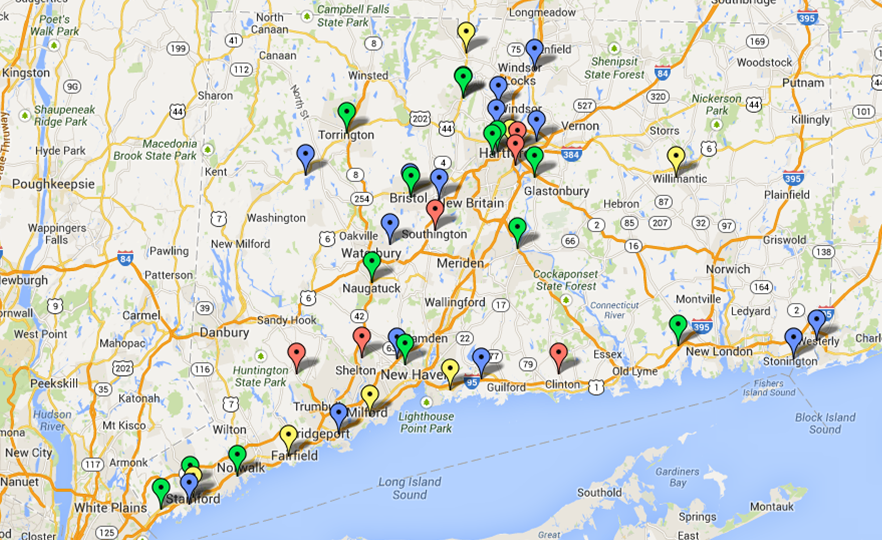
 an estimated
  as new spending from tax revenues. The other study says that tobacco taxes offer a how-to road map for policy makers.
 ished this month, researchers ran a simulation of the impact of 20-percent soda tax in Illinois and California—selected for regional differences—and found slight employment increases would occur, but the net effect would be close to nothing. They found that people choose to spend their money on other things, not to forego spending entirely, and that employment gains in other sectors of the economy far outweigh the job losses for soda makers, National Journal reported.

 luding plug-in hybrids – and the other will go to the dealer who sells or leases the most EVs as a percentage of total sales during the period.
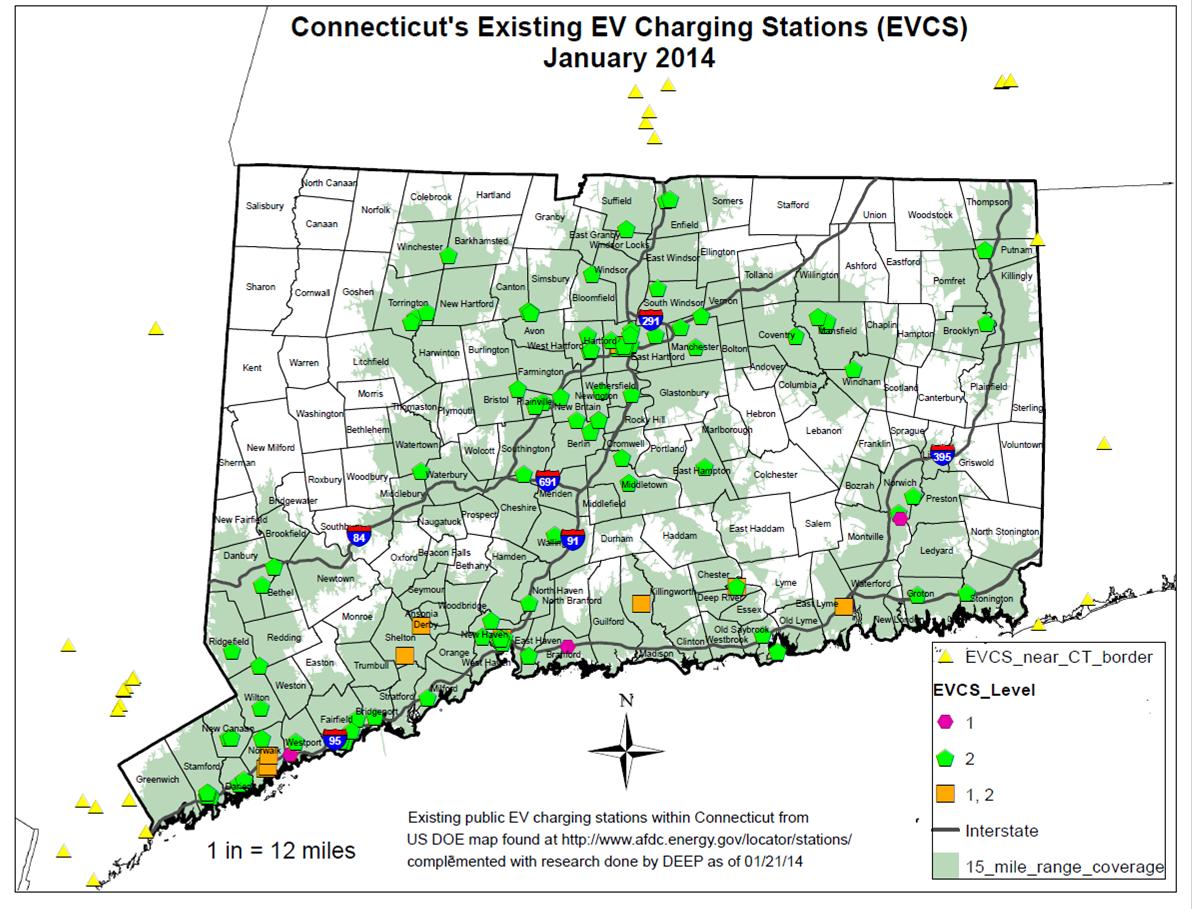 al Protection provides an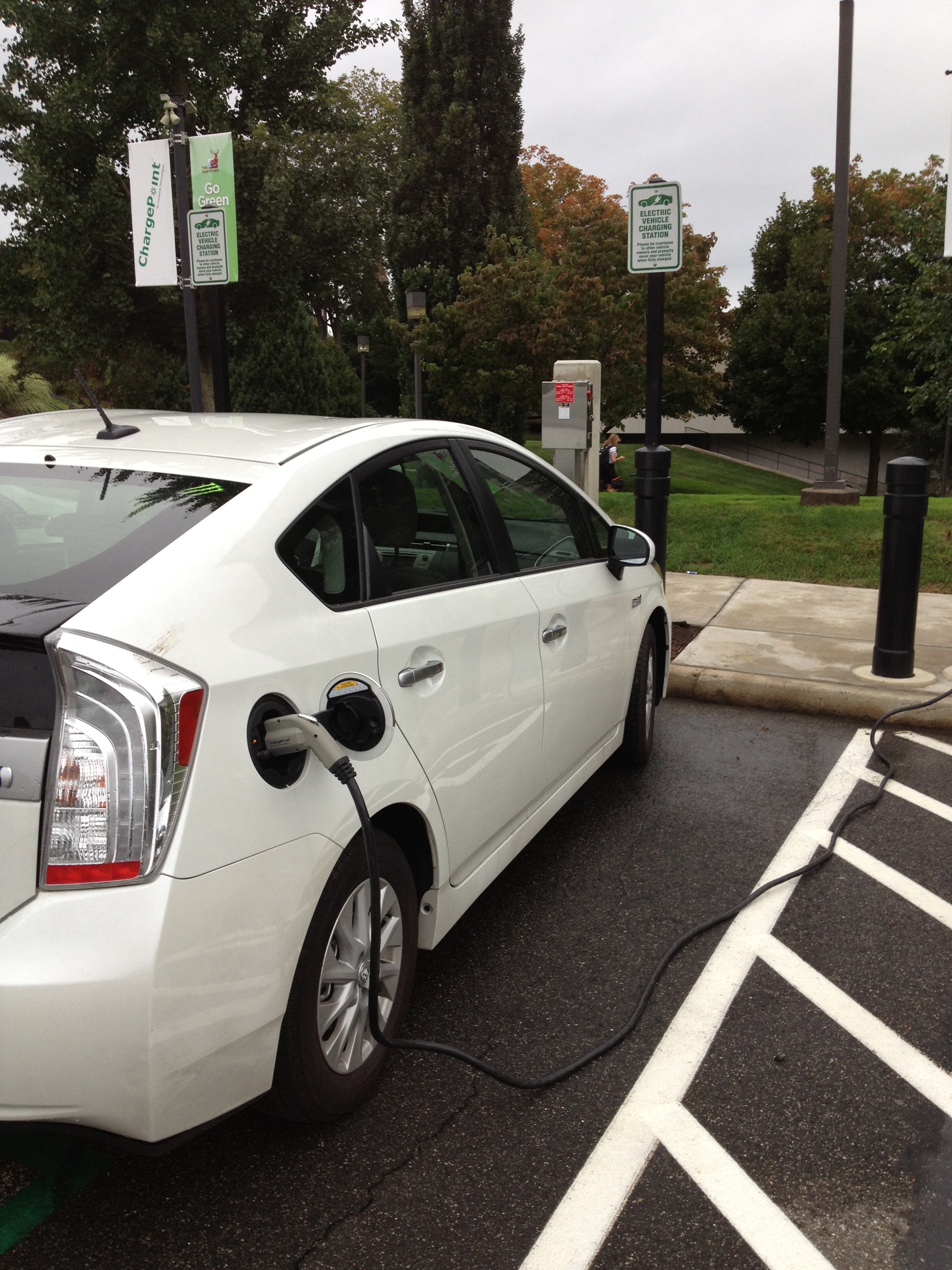
 st Century? Join the
  ker series focused on the first-hand perspectives of leaders making a mark in business and the community. The next event at
  hrive? The Lyceum, Hartford
 7 - An Honest Look at Mental Illness, Connecticut Forum, The Bushnell
 ity to learn about the benefits of collaboration which save money and leverage the purchases and agreements for towns. The event will highlight people that are already implementing positive changes. Panel discussions, workshops and Q&A with key leaders and a panel of experts.
 rship of Hartford-based organizations stepped up in a way that has proven quite effective, and is gaining national recognition.
 just to their new land.