Bridgeport, Stamford, New Haven, Hartford, New Britain Among Most Culturally Diverse Cities in USA
/Five Connecticut cities are among the nation’s most culturally diverse, according to a new analysis. Bridgeport is the 15th most culturally diverse city in the U.S., according to the analysis by the financial website WalletHub, which also ranked Stamford at number 22. New Haven, Hartford and New Britain were back-to-back-to-back, ranking at number 30, 31 and 32 on the list of more than 500 cities across the country.
Bridgeport’s cultural diversity score was 86.34, and the city ranked 28th in ethno-racial diversity, 17th in linguistic diversity and at number 150 in birthplace diversity. Stamford’s cultural diversity score was 84.29, and the city ranked 63th in ethno-racial diversity, 20th in linguistic diversity and at number 103 in birthplace diversity.
New Haven’s scores and rankings were similar, with a 83.02 cultural diversity score, and ranking at number 76 in linguistic diversity and number 132 in birthplace diversity. New Haven was the only Connecticut city to rank in the top 10 in any category, finishing ranked at number 10 in ethno-racial diversity.
When the analysis broke metropolitan areas down by size, among medium sized cities Bridgeport, Stamford, New Haven and Hartford all ranked in the top 15 most culturally diverse. Waterbury ranked at number 19. Among small cities, New Britain ranked 8th, Danbury 10th, Norwalk 15th and West Hartford 76th. Large cities in the analysis were those with more than 300,000 people; midsize cities with 100,000 to 300,000 people, and small cities with fewer than 100,000 people.
The most culturally diverse city in the U.S. is Jersey City, New Jersey, with a score of 95.88. New York City ranked sixth; Providence was at number 12.
“The country as a whole is becoming increasingly ethnically diverse, and living in an ethically diverse city today is good exposure to the opportunities and challenges all cities will be facing sooner or later,” said Mario Luis Small, Grafstein Family Professor of Sociology at Harvard University. “Ethnic diversity in neighborhoods is associated with a strong preponderance of businesses and local organizations that generate economic activity and sustain community. Children exposed to ethnic and language diversity early on, develop a broader and more sophisticated understanding of the diversity of the world.”
In determining the cultural diversity scores, the three categories were weighted, with racial and ethnic diversity making up 50 percent of the score, language diversity 33 percent and U.S. region of birth diversity consisting of 17 percent of the score. The regions were in-state, Northeast, Midwest, South, West, U.S. territories, and foreign-born.


 As director of HEFN, she has managed its programming, outreach, and operations, promoting collaboration on shared goals among its members. Fortunato previously served as associate director of policy for Health Care for All in Boston, engaging in policy research, communications, and campaigns, and as a consultant for The Public Policy Institute, also in Boston.
 ry County Citizen's Advisory Board. A native of Connecticut, she and her family look forward to relocating here from their current home in Jacksonville, Florida.
 is named. Meléndez is not a candidate for the position. Linda J. Kelly announced her retirement as president of the Hartford Foundation for Public Giving, last March, effective next month, after 10 years leading the organization.
 Lowest


 Published
  Back in 2013, the state Bond Commission approved $1 million in borrowing to help an emergency home repair company move its headquarters from Stamford to Norwalk. The bonding was aimed at assisting the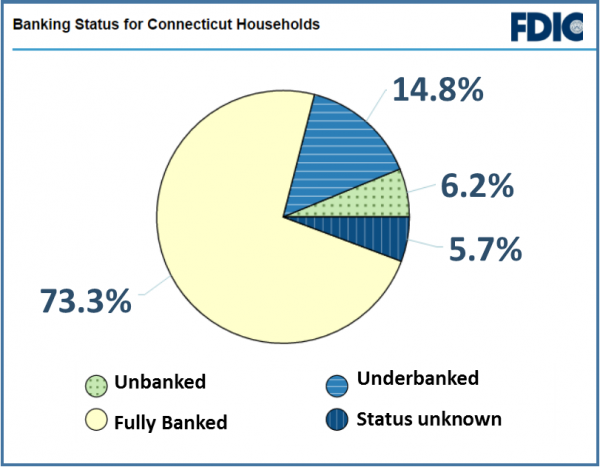
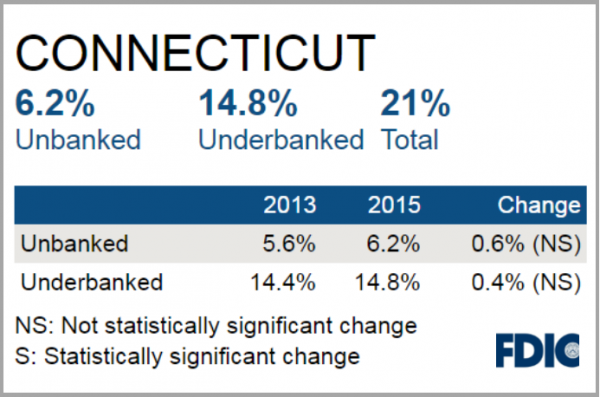


 The findings of a state review would be reported to the legislature and governor to evaluate the appropriateness of the price increases in question.

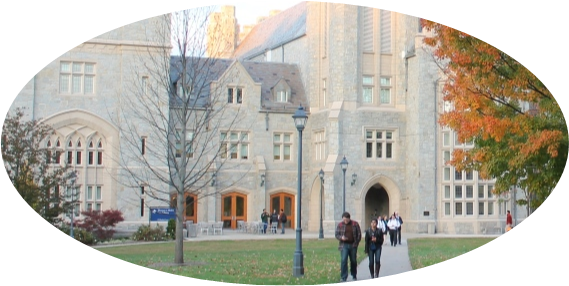

 Clients who qualify for services at the Hartford incubator will be those whose incomes exceed the limits for legal aid but fall within three times the federal poverty level. For a family of four, this would mean a maximum household income of $72,900. Clients wishing to apply for services may do so beginning in February, when information will be available at the center’s website: cclc.law.uconn.edu.