Bridgeport-Stamford-Norwalk Above National Average in Sustaining Startups, Study Finds
/
A new report assessing trends in start-up companies in 40 major metropolitan areas in the U.S. over the past two decades has found that the Bridgeport-Stamford-Norwalk corridor has performed well compared with similar regions in weathering, and rebounding from, the national economic downturn’s impact on the level of start-ups.
The report by the Kauffman Foundation, “The Most Entrepreneurial Metropolitan Area?,” was recently presented to the U.S. Conference of Mayors on Entrepreneurship, the first such confe rence of municipal leaders devoted solely to exploring entrepreneurship.
In reviewing Metropolitan Statistical Areas (MSA) with a population of between 500,000 and one million people, the report found that the Bridgeport-Stamford-Norwalk MSA placed “toward the top of the group, consistently above the year-to-year changes.” In addition, the data indicate that Bridgeport-Stamford-Norwalk “did not fall as far during the (economic) downturn, so it appears to have fared slightly better.”
The paper compared the trends in the 40 metropolitan areas with high numbers of start-up businesses to the significant national downw ard trend in overall new firm formation starting after 2006. Nationally, the trend reversed and started to recover in 2011. No metropolitan area escaped this downward trend, but there are differences among regions in the timing of the downturn and subsequent recovery.
In counting the number of times that the annual percentage change in start-up density for each of the MSA’s, within the same size class, five of the MSA’s – including Bridgeport-Stamford-Norwalk – were “above average 12 times thorough the period” reviewed. The others to attain that “level of consistency” were Tulsa, OK; Omaha-Council Bluffs, NE-IA; Little Rock-North Little Rock-Conway, AR; and Knoxville, TN.
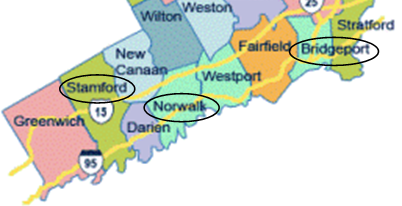
The report also found that the largest MSAs – those with populations greater than 1 million – fared slightly better through the recession and have experienced slightly stronger recoveries, though none has returned to pre-downturn levels.
The report compared MSAs with relatively larger populations and high startup densities from among the nation’s 366 MSAs. The MSAs were divided into four groups for purposes of comparison, those with greater than 1 million population, those with 500,001 to 1 million, those between 250,000 and 500,000, and those smaller than 250,000.
The federal government’s Office of Management and Budget (OMB) provides official definitions for MSAs in the United States: densely populated areas with close economic ties.
 sbury in 2013 and 2011, and Cheshire in 2013 and 2011. Single appearances were made by Norwalk, Stamford, Portland, Tolland, Greenwich, South Windsor, Fairfield, and most recently, Brookfield.
 Hartford at #55. The town was joined by Stamford at #78, Hamden at #87, and Norwalk at #90.

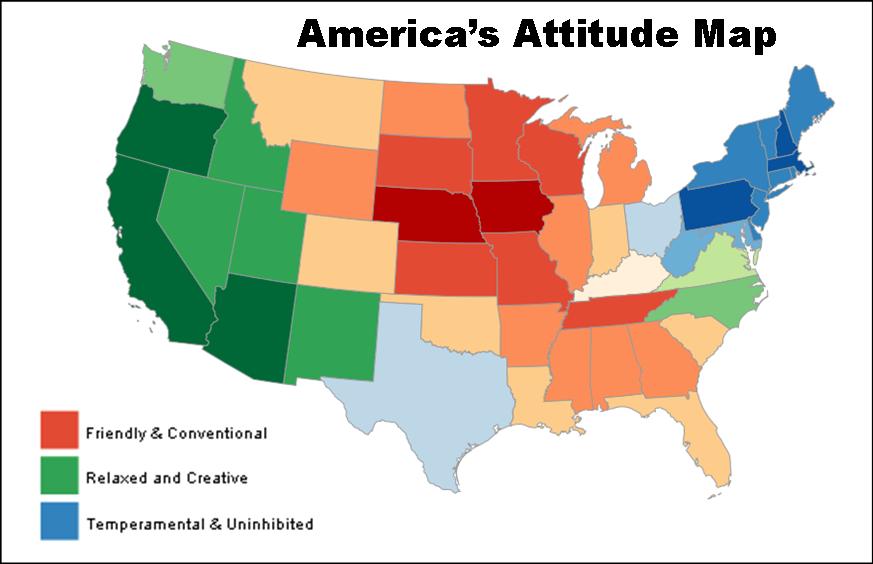
 percent.)
 ts of both political parties into mayoral offices in cities and towns across the landscape?
 tors frequently confronted devastating epidemics that wiped out many of the members of their groups; at such times, having a healthy leader might have been particularly important,” they wrote recently in
 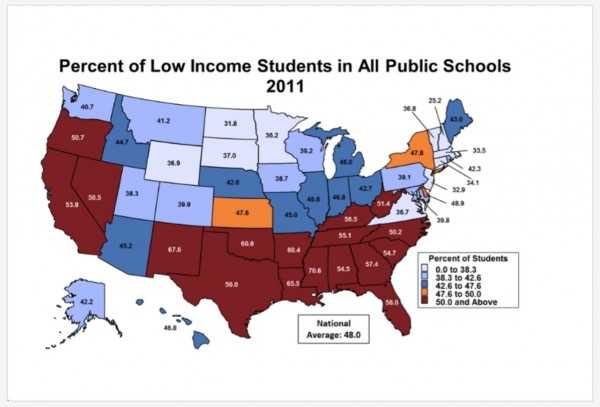 public schools moved from 38 percent of all students in 2001 to 48 percent in 2011.”
 st and 40 percent in the Northeast. The national average was 48 percent. As the report pointed out, “in 2011 the nation stood within only two percentage points of enrolling a majority of low income students in public schools across 50 states.”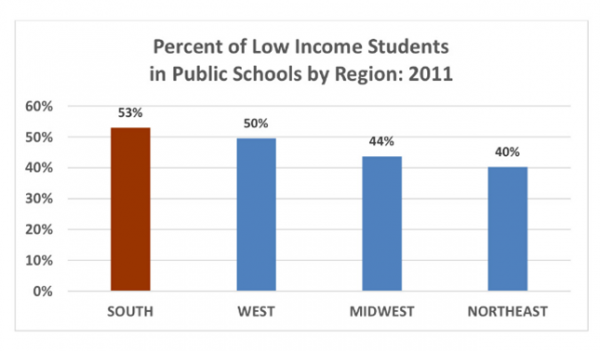
 ceed in public schools? It is a question of how, not where, to improve the education of a new majority of students.”
 Connecticut as compared with 78.2 percent nationally.

 ons from gunshot wounds increased from 4,270 to 7,730, and in-hospital deaths from 317 to 503, the researchers found. The study also found a significant association between the percentage of gunshot wounds occurring in the home and the percentage of households containing any firearms, loaded firearms and unlocked loaded firearms.
 , rates of gun possession ranged from a national low of 10 percent in New Jersey, for instance, to 62 percent in Montana, the researchers found.
 Francisco-Oakland (44%), Fort Collins-Loveland, Colorado (44%), and Seattle-Everett, Washington (42%). Yuma, AZ and Merced, CA, both at 11 percent, ranked last.
 education rise by about 7 percent as the share of college graduates in his city increases by 10 percent,” a statistical analysis indicates.