Frontier CEO Is Half of Only “Sister Act” Among Fortune 1000; Company Opening Retail Stores
/Until last year, most Connecticut residents were unfamiliar with Frontier Communications, even though the telecommunications company has operations in 28 states across the nation. When the company purchased much of AT&T’s local operations in Connecticut in a $2 billion deal, they suddenly became a dominant player for residential and businesses customers in their home state. But Frontier, despite its shaky hand-off from AT&T, was, and is, no small player on the national scene.
On the latest list of the Fortune 1000 companies, Frontier ranks at #514. They have hovered just above or below #500 in recent years. The company is led by one of only 52 female CEO’s on the list, Maggie Wilderotter. In fact, Wilderotter is half of the only sister act among the 52 – her sister is Campbell’s Soup CEO Denise Morrison, leading one of the nation’s best known brands, #315 on the Fortune 500.
Wilderotter has served as Chief Executive Officer at Frontier since November 2004 and as Chairman of the Board since December 2005. She also served as President until April 2012. The July/August 2013 issue of Chief Executive magazine described her as the “longest-tenured woman CEO of a Fortune 500 company.”
 Denise Morrison, the subject of the lead business story in the February 2, 2015 issue of TIME magazine, has led Campbell’s since 2011. The magazine described family dinners when Denise, Maggie and their two younger sisters were growing up, that included discussions led by their father, an executive with AT&T, in which “he taught basic business skills through childhood activities like negotiating over chores and identifying the target market when selling Girl Scout cookies.” He “thought it was important to prepare his daughters for a business world that was growing more open to women,” the magazine reported.
The lessons were well learned. According to Catalyst, which tracks the number of women in corporate America, women currently hold 4.8 percent of Fortune 500 CEO positions and 5.2 percent of Fortune 1000 CEO positions. Wilderotter told TIME: “We grew up in an environment where we would get the highest level of satisfaction from doing things people never expected us to pull off.”
Even as Frontier finds its footing among Connecticut consumers, the company’s has begun to roll out a retail store presence. Frontier opened its second retail outlet in Connecticut, in Norwalk, last month. The location at 2 Washington Street joins one in New London, at 200 State Street. The company is actively pursuing plans to add two more retail stores in Connecticut by April. Primarily geared toward residential customers, the stores are also expected to sell business products later this year. Frontier currently has retail stores in 23 states.
The CEO sisters, 13 months apart in age, “talk passionately about supporting women in the boardroom and the lessons they learnt from their parents which enabled them to be self-confident and have the belief that anything was possible coupled with a focus that getting a good education would give them the freedom and flexibility to do anything they wanted,” reported the business website Footdown in 2012.
http://youtu.be/nmcHRQ3y8LM
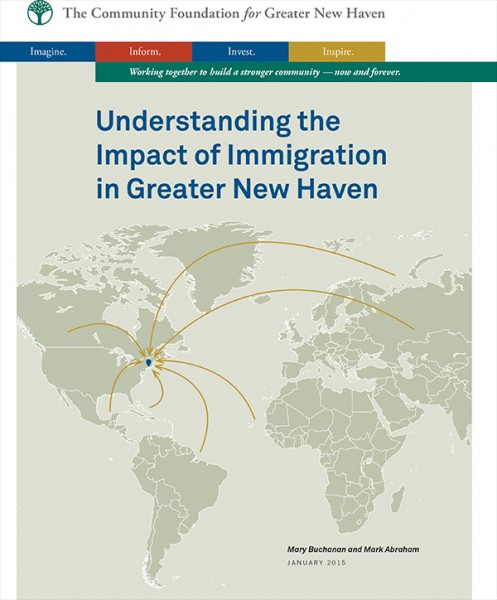
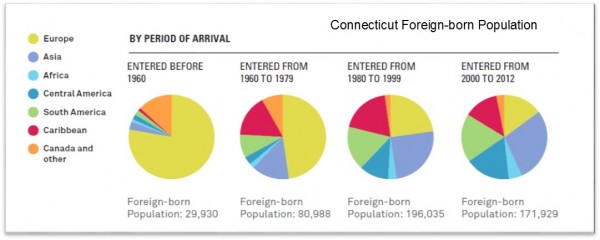
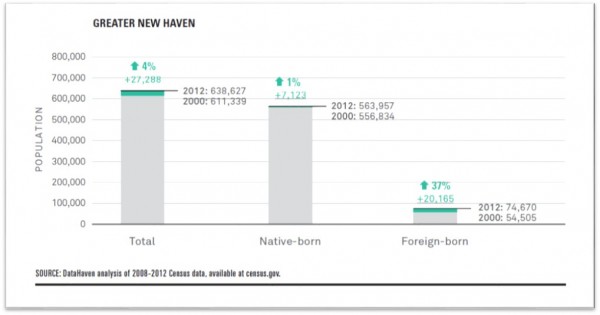 In New Haven’s neighborhoods in particular, the boost in immigrants has revitalized communities and spurred new businesses. From 1970 to 1990, the foreign-born population in most New Haven neighborhoods remained flat or declined, and these neighborhoods suffered from overall population decline—similar to other central city neighborhoods in post-industrial cities. Since 1990, the report found, the foreign-born population in many city neighborhoods has rebounded sharply, particularly in areas such as Edgewood, West River, Fair Haven, and the Hill. These areas have seen a large influx of population and business overall.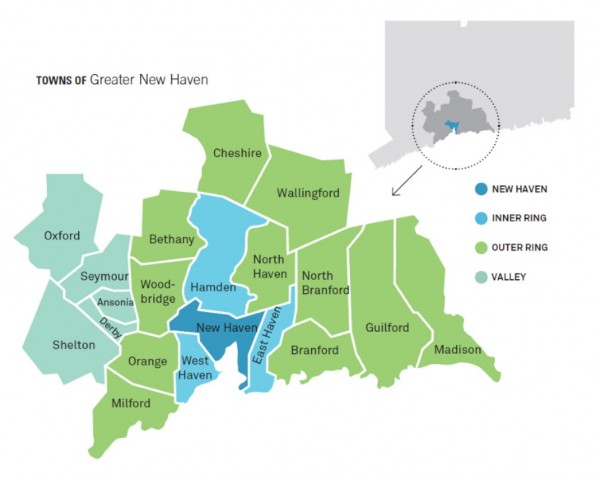



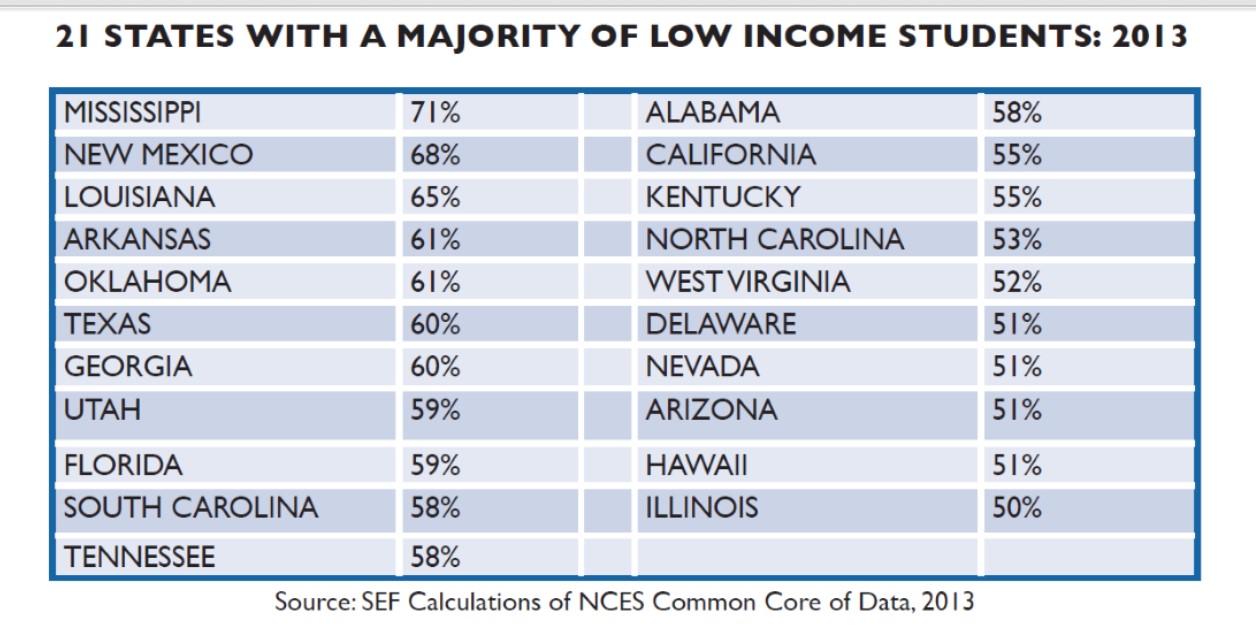 hat “The trends of the last decade strongly suggest that little or nothing will change for the better if schools and communities continue to postpone addressing the primary question of education in America today: what does it take and what will be done to provide low income students with a good chance to succeed in public schools? It is a question of how, not where, to improve the education of a new majority of students.”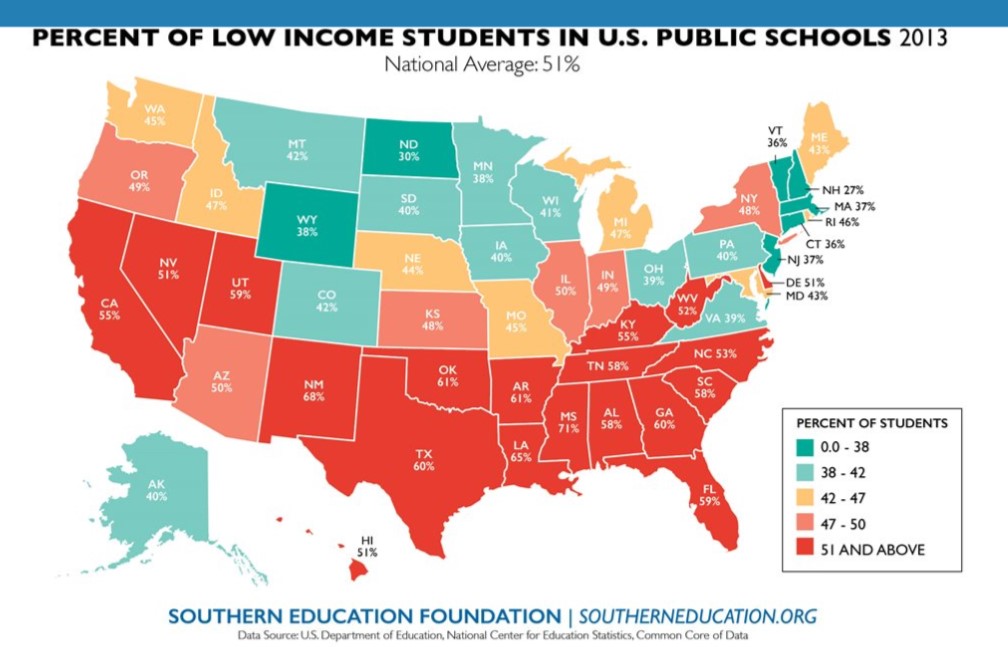
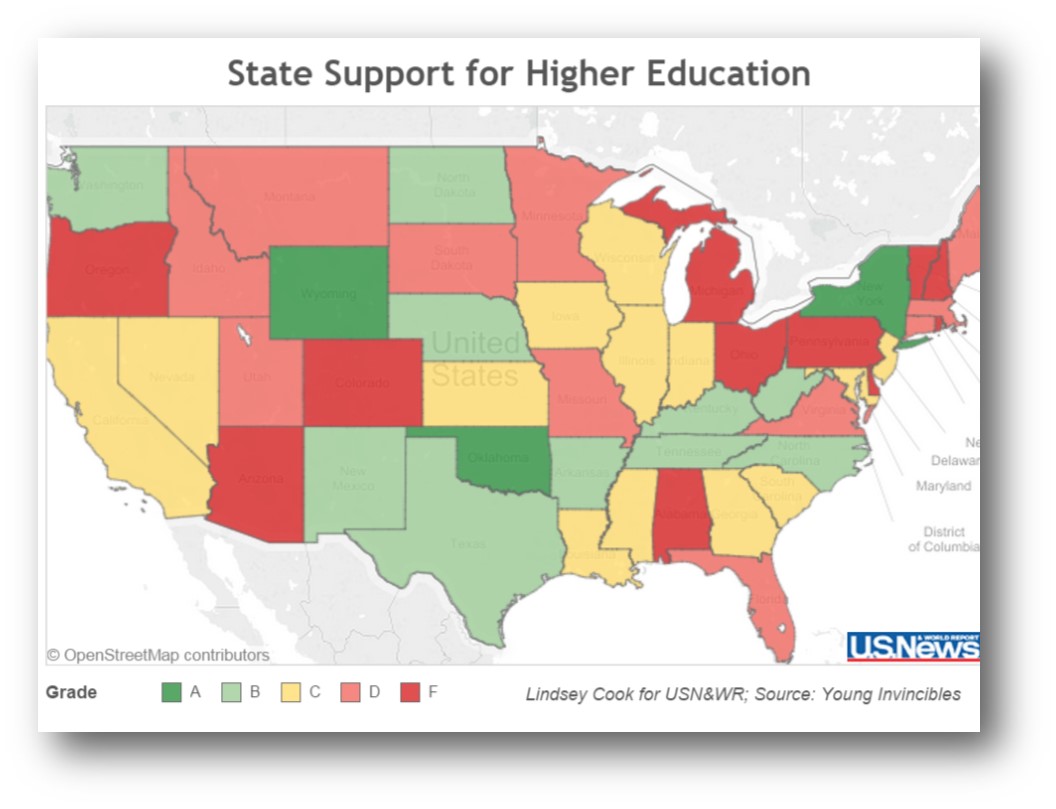
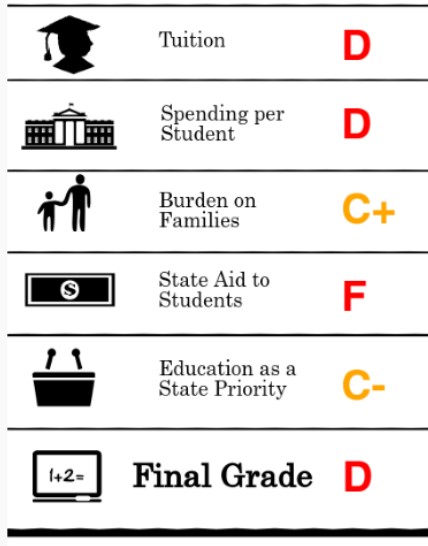 last month by the General Accounting Office in Washington, D.C. for the U.S. Senate found “persistent state budget constraints have limited funding for public colleges” across the country. The result, according to the GAO report: “Students and their families are now bearing the cost of college as a larger portion of their total family budgets.”
 “state grant aid directly affects students in that it can reduce their out-of-pocket expenses for college… state grant aid, both merit- and need-based, has positive effects on enrollment.” The results of one program, in Washington State, cited by GAO “suggests that receiving the aid increased a student’s probability of enrolling in college by nearly 14 to 19 percentage points.”

 ields.”
 se Office of Science and Technology Policy notes that “Supporting women STEM students and researchers is not only an essential part of America’s strategy to out-innovate, out-educate, and out-build the rest of the world; it is also important to women themselves.”






 rcentage increases in ELL students, between 2001 and last year, came in Windham (11.8% increase), Danbury (up 9.4%), Norwich (up 9.1%), and New London and West Haven (both up 7.4%).