Connecticut Ranks #39 Among States for Retirement; Lowest In New England
/Connecticut, ranking 39th overall and lowest among the six New England states, came away with a mixed bag of results on a list of the “Best and Worst Places to Retire,” compiled by the financial data website bankrate.com and published this week. The good news: Connecticut ranked #6 in crime rate, the state’s highest ranking among the six categories included in the survey, and just outside the top ten at #12 for health care quality. Undeterred by the challenging February weather this year, Connecticut ranked #14 for weather among the nation’s 50 states. Not so good – Connecticut ranked near the bottom, at #48, in cost of living, and at the middle-of-the-pack, at #24, for community well-being.
The survey of around 1,000 adults in the U.S. questioned what Americans' priorities are when it comes to retirement. Nearly a quarter of those surveyed said being close to family was the deciding factor. But when it came to climate, while around a quarter prefer being close to a beach, nearly 40 percent of people want access to the great outdoors, rivers and mountains, according to published reports highlighting the survey results.
The top 10 states were Wyoming, Colorado, Utah, Idaho, Virginia, Iowa, Montana, South Dakota, Arizona and Nebraska. The highest ranked New England states were Maine at #12, Vermont at #15 and New Hampshire at #16. Massachusetts came in at #18 on the list, and Rhode Island was just ahead of Connecticut at #38.
By category, Minnesota topped the list in health care quality, Hawaii was #1 in community well-being, New Mexico was #1 in weather, and Mississippi (which ranked #36 overall) had the lowest cost of living. Vermont had the lowest crime rate and Wyoming the lowest tax rate.
Bankrate provided the following breakdown of the origin of the data used in compiling the rankings: The cost-of-living data was provided by the Council for Community and Economic Research, a Virginia-based group that tracks retail prices in more than 300 communities around the country. Crime statistics include property and violent crimes reported by police departments to the FBI.
Health care quality scores come from the Agency for Healthcare Research and Quality, a federal office that measures each state's performance on about 160 different health-related issues. The National Oceanic and Atmospheric Administration provided weather data, including readings on temperature, humidity and sunshine. The "well-being" scores for seniors were from Healthways, a research group that works with the Gallup polling service to survey the public about their happiness and general satisfaction with their surroundings.
There are worse places than Connecticut to retire, according to the survey. Among them: Oklahoma, Oregon, Missouri, Kentucky, Louisiana, West Virginia, Alaska, and Arkansas, as well as New York and New Jersey. Hawaii also ranked in the bottom 10, largely due to its highest-in-the-nation cost of living.
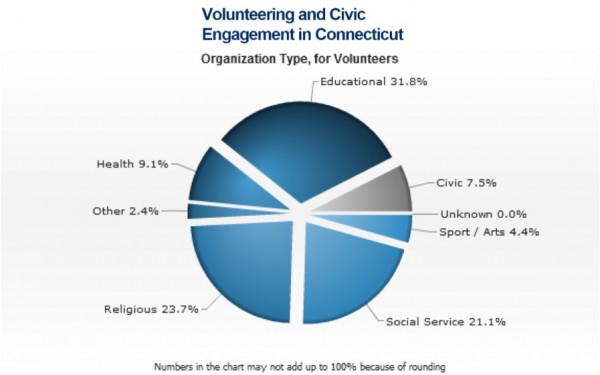

 among young adults (aged 18-24) attending college was 26.7 percent, nearly double the volunteer rate of young adults not attending college (13.5 percent).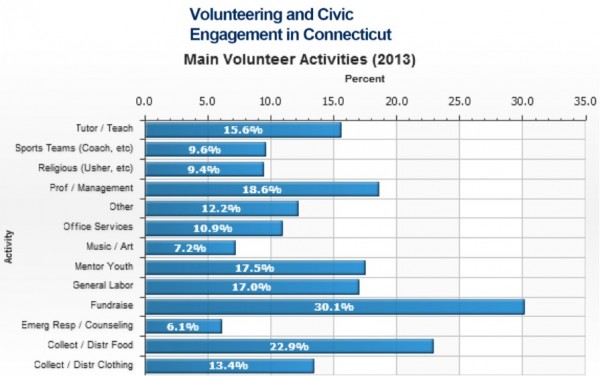


 Charter Oak’s proposal would create an Experimental Site in financial aid that would offer aid to students for prior learning (established via portfolios and tests), with the aim of making a college degree more affordable and accessible.





 The “dysfunctional thinking” and anxiety due to emotional instability or the lack of openness to new experience contributes to fear of negative evaluation, the study concluded. It is this fear of potential negative social judgment that is at the heart of reticence, in which individuals believe that ‘‘it is better to remain silent than to risk appearing foolish.’’
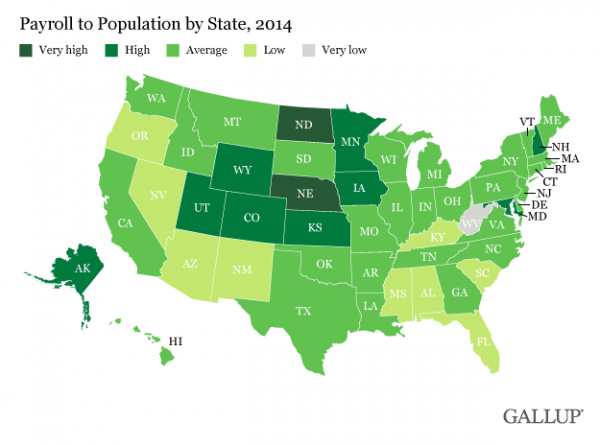
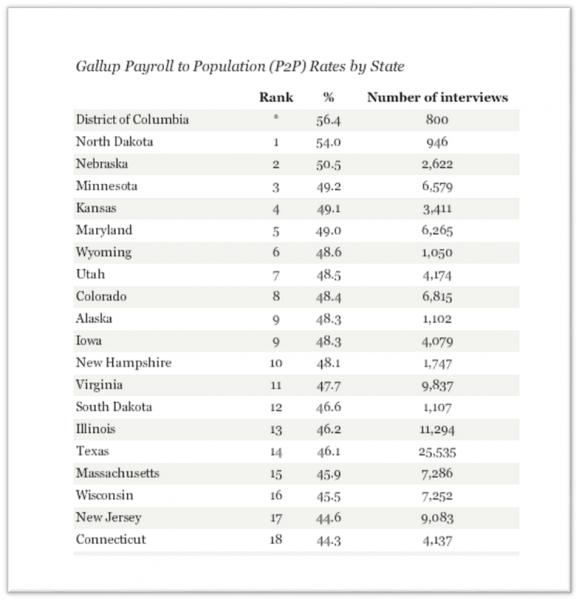 n,
n, 



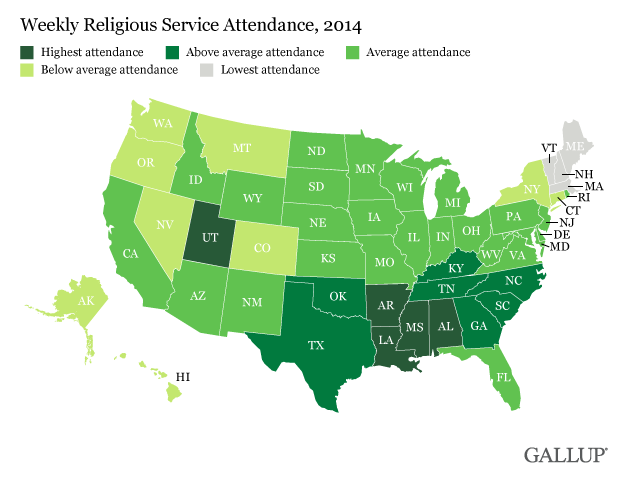 are stark geographic differences in religiosity. In some states of the union -- Utah and Southern states -- roughly half of residents report attending religious services weekly, while in others -- mostly in the Northeast and the West -- a fourth or less of residents attend weekly.”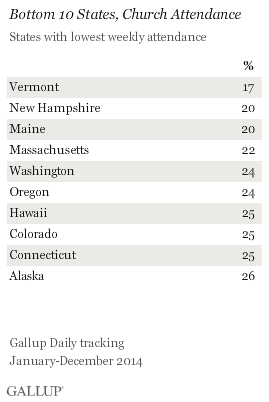

 The report also suggests that policy makers “explore the possibility of incenting employer-based long-term care insurance coverage.” In 2009 almost 25,000 employers in the U.S. offered long-term care insurance to their employees – just 35 percent of the 7.5 million insurance policies in effect. In addition, the report encourages the Connecticut Congressional delegation to support a federal tax deduction for long-term care insurance, and urges policy makers to consider making reverse mortgages “a more viable option.”