$100,000 Grant to Nonprofit Collaborative Efforts to Assist Immigrants in Connecticut
/George Soros has been a prominent international supporter of democratic ideals and causes for more than 30 years. His philanthropic organization, the Open Society Foundations, supports democracy and human rights in more than 100 countries.
Now, the Open Society Foundation’s Emma Lazarus II Fund has officially granted $100,000 to The Community Foundation for Greater New Haven (CFGNH) on behalf of the Immigrant Strategic Funders Collaborative for Connecticut (The Collaborative) for the period that began on November 1, 2015 and continues through December 31, 2016.
The Collaborative aims to provide matching funds to enhance statewide efforts and local work supporting Connecticut’s immigrant families.
The Collaborative seeks to increase the numbers of applicants for administrative relief under these programs, to ensure the applicants are screened for eligibility for more permanent immigration benefits and to continue to expand current advocacy work in support of stronger protections from detention, deportation and abuse.
The grant comes as the organization prepares to move forward with implementation of both Deferred Action for Parental Accountability (DAPA) and the expansion of Deferred Action for Childhood Arrivals (DACA), under President Obama’s 2014 Executive Actions. Officials indicate that to achieve their objectives, The Collaborative will prioritize the following:
- Increasing access for undocumented immigrants to a full spectrum of immigration services, including legal services;
- Promoting the understanding of DACA and DAPA and to support outreach to DACA-eligible and DAPA-eligible residents across Connecticut;
- Strengthening advocacy efforts at the local and State levels in support of public policy and public funding that will address the needs of undocumented immigrants and will advance the utilization of DACA and DAPA; and
- Enhancing the capacity of immigrant serving and advocacy nonprofit organizations through funding and through supporting the sharing of knowledge and best practices.
 Thus far, eight leading funding institutions in Connecticut have expressed their intentions to commit financial contributions in support of the Collaborative goals utilizing their institutional grant-making process. Those organizations include Fairfield County’s Community Foundation, Hartford Foundation for Public Giving, Hispanic Federation, Perrin Family Foundation, Progreso Latino Fund (a committee-advised fund at CFGNH), Tariq Farid Foundation and The Community Foundation for Greater New Haven.
Officials say that the success of The Collaborative will depend largely on the partnerships it can build with service providers, advocacy organizations and others throughout the State of Connecticut that share the goal of enhancing the lives of undocumented immigrants. The Collaborative is working with a growing list of organizations, with further additions anticipated. Among those thus far:
- Apostle Immigration Services (New Haven)
- Center for Latino Progress (Hartford)
- City of New Haven
- City of Hamden
- Congregations Organized for a New Connecticut (New Haven and Bridgeport)
- Connecticut Parent Power (Statewide)
- Connecticut Students for a Dream (Statewide)
- Elm City Internationals (New Haven)
- Hartford Public Library (Hartford)
- International Institute of Connecticut (Statewide)
- Junta for Progressive Action (New Haven)
- Neighbors Link Stamford (Stamford)
- New Haven Legal Assistance Association (New Haven)
- Unidad Latina en Acción (New Haven)
- Yale Law School Worker and Immigrant Rights Clinic (New Haven)


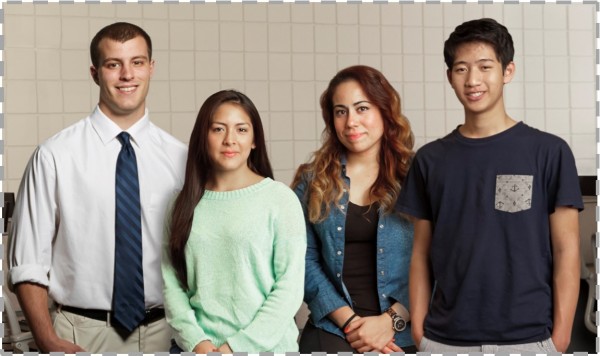
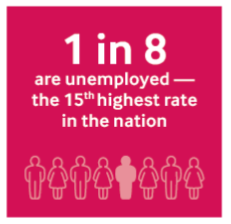 The action plan is spurred by clear concerns: “When young people are not attending school or working, they cannot attain necessary education or work experience, support themselves, save for their future, or contribute to the economy. What future do they face? What future does Fairfield County face?”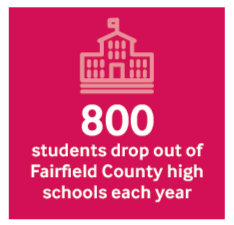


 "The Connecticut Council for Philanthropy along with other funding partners invested in the first ever statewide Community Wellbeing Survey, a scientific survey of the state’s entire adult population that will provide timely, powerful knowledge about our communities and enable us to better know the people and places we care about,” added Maggie Osborn, President of the Connecticut Council for Philanthropy.
 In Connecticut, the average rate between 1999 and 2001 was 4.1 per 100,000. Between 2010 and 2013, the drug overdose rate had risen to 8.3, above the national aver
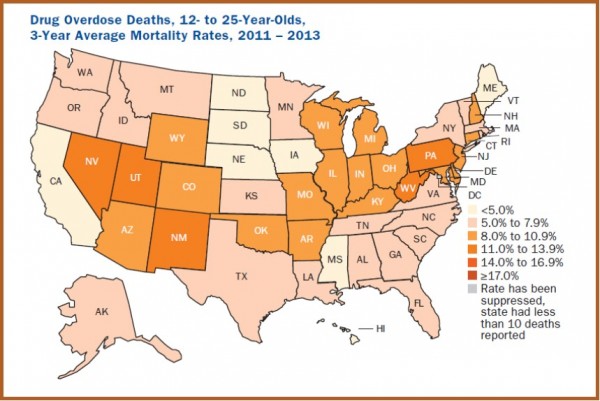 age but unchanged from a previous three-year period, 2005-2007. The data was compiled from the Centers for Disease Control and Prevention. Males are 2.5 times as likely to overdose as females (10.4 vs. 4.1 per 100,000), according to the report.
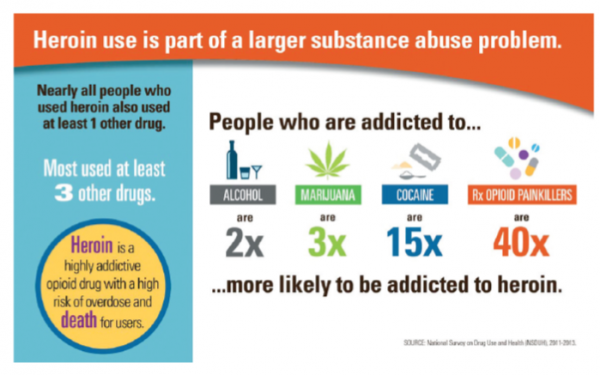 s to help practitioners identify potential abuse that leads to over prescribing by requiring them to check patient history to verify if patients seeking certain prescriptions have recently received these medications from multiple other prescribers or pharmacists.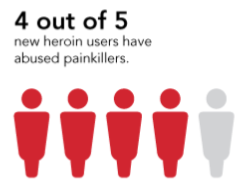



 ncing or purchasing a home in the next six months dropped from by one-third, from 18 percent in the first quarter of the year to 12 percent by the end of the third quarter. Interestingly, buying a car appears immune to economic outlook – the percentage who anticipate that purchase in the next six months has been nearly identical in each quarterly survey this year.


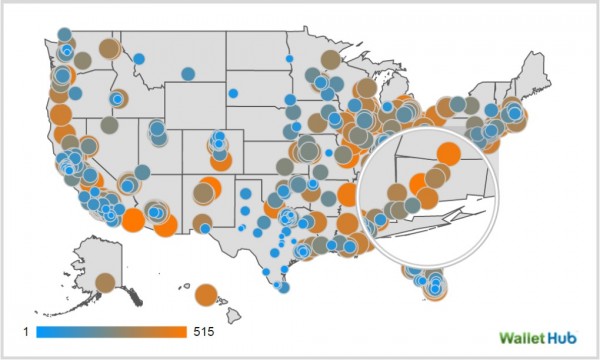 Joan Fitzgerald, Professor of Public Policy and Urban Affairs at Northeastern University, told WalletHub: “It is not an accident that many of the fastest growing cities have thriving high tech and biotech sectors along with financial services and usually a strong health care sector. But another priority has to be balance. In many cities, manufacturing loses out over other uses.”
 A survey to which 29 of the 60 black and Latino arts groups in the study replied showed that the median percentage of donations coming from individuals was 5%. The norm is about 60% for big mainstream arts organizations. “This is the most important single statistic in the study,” the report says. Minority arts organizations also trailed when it came to box office receipts and other earned revenue. Earned money accounted for 40% of their revenue, compared with 59% for the big mainstream groups.