Connecticut Volunteers Pursue National Service; AmeriCorps to Celebrate 20th Anniversary
/More than 3,700 people of all ages and backgrounds are helping to meet local needs, strengthen communities, and increase civic engagement through national service in Connecticut, according to data compiled by the Corporation for National & Community Service. Serving at more than 600 locations throughout the state, these citizens tutor and mentor children, support veterans and military families, provide health services, restore the environment, respond to disasters, increase economic opportunity, and recruit and manage volunteers.
During this past fiscal year, the Corporation for National and Community Service (CNCS) committed more than $9,390,000 to support Connecticut communities through national service initiatives. Through a unique public-private partnership, this federal investment leveraged an additional $2,720,000 in other resources to strengthen community impact, build local support, and increase return on taxpayer dollars.
Most AmeriCorps grant funding goes to the Connecticut Commission on Community Service within the state Office of Higher Education, which in turn awards grants to nonprofit groups to respond to local needs. AmeriCorps expected to provide more than 900 individuals the opportunity to provide intensive, results-driven service to meet education, environmental, health, economic, and other pressing needs in communities across Connecticut.
Nationally, AmeriCorps celebrates its 20th anniversary this month. President Obama is scheduled to participate in a ceremony with AmeriCorps members at the White House on September 12 as part of a nationwide event marking the 20th anniversary of the AmeriCorps national service program.
The Connecticut Commission on Community Service administers programs under the National and Community Service Trust Act of 1993. The Commission is dedicated to supporting service and civic engagement to strengthen communities throughout Connecticut. In partnership with the Office of Higher Education, the Commission funds and supports programs that encourage all Connecticut residents to volunteer. The Commission’s next meeting is scheduled for October 7.
Other individuals – in Connecticut and nationwide - serve their fellow citizens through AmeriCorps VISTA, whose members help bring individuals and communities out of poverty by serving full-time to fight illiteracy, improve health services, create businesses, and increase housing opportunities, and AmeriCorps NCCC (National Civilian Community Corps), a 10-month, full time residential program for men and women between the ages of 18 and 24. In exchange for their service, AmeriCorps members earn an education award that can be used to pay for college or to pay back qualified student loans.
In addition to the AmeriCorps participants, more than 2,800 seniors in Connecticut contribute their time and talents in one of three Senior Corps programs.
- Foster Grandparents serve one-on-one as tutors and mentors to more than 1,000 young people who have special needs.
- Senior Companions help more than 270 homebound seniors and other adults maintain independence in their own homes.
- RSVP volunteers conduct safety patrols, renovate homes, protect the environment, tutor and mentor youth, respond to natural disasters, and provide other services through more than 230 groups across Connecticut.
The Corporation for National and Community Service is a federal agency that improves lives, strengthens communities, and fosters civic engagement through service and volunteering. Members of the Connecticut Commission on Community Service are appointed by the Governor and serve three-year terms. Commission members represent various areas of expertise as required by the National and Community Service Trust Act.
 r recent study found that nursing homes under private equity ownership are cited for more deficiencies and have fewer registered nurses on staff than other for-profit facilities.





 h school students - participants in week-long journalism workshops at UConn, Quinnipiac and Yale universities led by C-HIT - have been producing news stories that target issues facing a demographic they are not only familiar with, but, in most cases, part of. The students are learning research methods intrinsic to journalism and the results of their work have been eye-opening. Some of the highlights:
 Of the young people who reported cyber bullying incidents against them, one in three reported that they experienced threats online. Well over half of young people do not tell their parents when cyber-bullying occurs, the website says. Surveys show that girls are twice as likely as boys to be both victims and perpetrators of cyber bullying.
 ht) Mackenzie Brayman, a student at North Stonington High School; Julyanna Schreider and Shamoya Hanson, students at the Journalism & Media Academy, Hartford; Talon Cooper, a student at Hillhouse High School, New Haven; and Conner Fritchley, a student at Wilton High School. Information included in this article was researched and developed by the students for their news stories.
 for over a third of Connecticut's public school students, only 7 percent of the state's teachers and 2 percent of the administrators in Connecticut's public schools are minorities."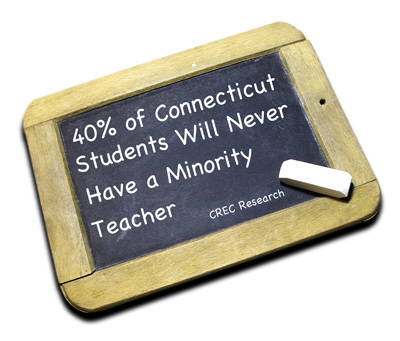
 from its Quest and Third Age Initiative programs to help rebuild the new Jonathan's Dream, working with the Mandell JCC.. The project is also supported by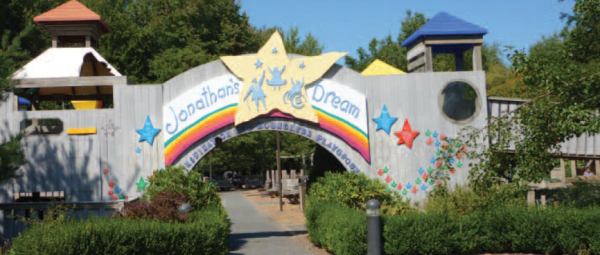

 s median gross apartment rent of $948.


 In addition, it calls for creation of a consent form for parents of student athletes to sign on the warning signs, symptoms and treatment of SCA and relevant school policies. Similar legislation has already been adopted in Pennsylvania, several other states are also considering SCA bills, according to the SCAF. The provisions of the new law take effect a year from now, with the school year that begins in the fall of 2015.