Northern New England States Anticipate Higher Lyme Disease Levels for 2014

Officials in Northern New England are anticipating record or near-record levels of Lyme Disease in their states during 2014 when the final numbers are tallied. Maine Center for Disease Control and Prevention Director Sheila Pinette recently told the Associated Press that when the 2014 stats are in, the state is likely to exceed the record high of 1,384 cases of the illness in 2013.  Vermont officials say their state is on track for its second- or third-highest total on record in 2014, following the 2013 high of 671, and New Hampshire officials say the numbers there are in line with recent years, which included a record-high in 2013.  Official data will be released in the coming months.LYME

Connecticut’s 2014 stats are due in March, and officials did not comment on what they are anticipating.  In 2013, Connecticut had 2,108 confirmed cases, according to the Department of Public Health, and a total of 2,918 confirmed or probable cases of Lyme disease were reported.   The largest number were in Fairfield County, New London County and New Haven County.

It is unclear whether better reporting methods or environmental factors – or both – are behind the apparent growing numbers in New England. Symptoms can include fatigue, fever, skin rashes, and a headache. Left untreated, it can lead to arthritis, facial palsy, and problems with the nervous system.  tick

Last summer, the Centers for Disease Control and Prevention reported that an estimated 300,000 Americans get the tick-borne disease every year, PBS reported. The number of cases has been increasing.

Most instances of Lyme Disease are concentrated in the Northeast, with 95 percent of them in 14 states, including Connecticut, along with Delaware, Maine, Maryland, Massachusetts, Minnesota, New Hampshire, New Jersey, New York, Pennsylvania, Rhode Island, Vermont, Virginia and Wisconsin.

In 2013, it was the 5th most common Nationally Notifiable disease, according to the CDC. Last year, the Pennsylvania legislature established a task force that will operate within the Pennsylvania Department of Health to help the department develop better surveillance, educate the public about Lyme disease, and advise health care professionals.

The 2,918 cases in Connecticut in 2013 reflected an increase from 2,660 in 2012, but a drop from 3,041 cases in 2011 and 3,068 in 2010.

lyme

Flu Increasing in Connecticut, As Official Data and Marketing Ads Differ on Severity

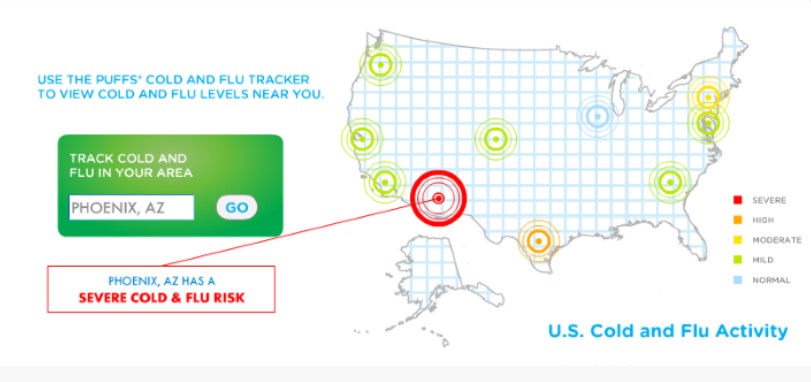
Sometimes, the numbers just don’t add up.  How can a city with a population of 125,000 have 156,598 incidences of the flu reported – in just one week?  That question was posed, in a letter to the editor published in the Hartford Courant, by H. Wayne Carver, Connecticut’s former Chief Medical Examiner. Carver noticed a full page ad in the newspaper which ran on Christmas Day, asserting the number of flu incidences “reported in Hartford.”  That ad ran again on New Year’s Day and Sunday, January 4, promoting Puff’s tissues, and offering a 25 cent coupon to "soften the blow.”  Puffs is a product of Procter & Gamble.

A visit to the Puffs website reveals a national interactive map which can provide the incidence flu merely by typing in the name of a town or zip code.  The result for Hartford? “Current cold and flu levels in HARTFORD are MILD.  Mild means that 3% to 8% of the population is sick.”hartford flu ad - Courant  One does not need to be a math major to determine that 8 percent of 125,000 is not 156,598. And for a city of 125,000, how can this statement, on the Puffs facebook page, be accurate:  "FYI, Hartford. 156,598* of you have the flu."

So, where did the numbers come from? P&G The small print in the ad cites ”FAN Data, IMS Health, Affected Population in Hartford for Week Ending Saturday, December 6, 2014.”

IMS Health is a Danbury-based global company that provides information, services and technology for the healthcare industry.  IMS’s Flu Activity Notification (FAN) program is, according to the company website, “a comprehensive program that measures the total affected population with upper respiratory illness at the national level down to 135 markets.”head_logo

Within the past week, spurred by new data from the Centers for Disease Control and Prevention, increases in flu incidence around the nation, including Connecticut, have been reported.  The state Department of Public Health (DPH) reports a total of 444 positive influenza reports for the current season. Influenza was reported in all eight Connecticut counties: New Haven (141 reports), Fairfield (137), Hartford (68), Litchfield (30), New London (24), Middlesex (22), Windham (13), and Tolland County (9).

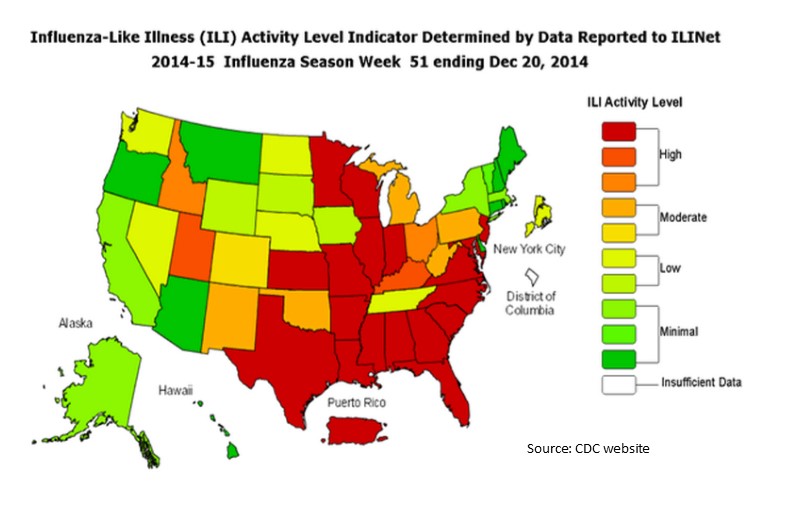
According to the CDC, widespread influenza activity was reported by 36 states, including New York, New Jersey and Massachusetts, in addition to Connecticut. As of last week, a total of 180 hospitalized patients with laboratory-confirmed influenza have been reported in Connecticut, DPH data indicates, with 19 associated with Type A (H3N2) influenza, 153 with Type A (subtype unspecified), and 8 with Type B. No flu-associated deaths have been reported to date in Connecticut, although the CDC reports more than a dozen deaths nationwide.

Public health numbers and marketing numbers are vastly different, with DPH reporting that “Connecticut influenza activity has been increasing during the last several weeks," but at levels in the hundreds statewide, not tens of thousands in a single city.  Advertisements for Puffs tissues in other major markets include these triple-digit numbers:  904,564 in Philadelphia, 369,631 in Detroit, 132,047 in Milwaukee, 157,298 in Kansas City and 348,801 in ColumbusCDC map
“FAN provides critical status levels for each regional market area, reflecting seasonal severity and potential spread rate of illness throughout the season. With consumers only purchasing cough-cold and flu-related products when afflicted, this data is vital for maximizing ROI on promotions, marketing, product placement, and supply chain. The FAN program offers retailer-specific reporting as well, designed to each retailer’s specific trading area and distribution network,” the IMS website indicates.

The website goes on to explain that “For today's consumers, managing health is often a do-it-yourself project. IMS Health provides the most in-depth and reliable information and tools available to monitor health and make informed decisions about care.”

Founded in 1954, Danbury, Connecticut-based IMS is now the largest vendor of U.S. physician prescribing data, according to the company’s website. IMS pays pharmacies for anonymized prescription data, which it sells to drug makers curious about individual doctors’ prescribing habits.

IMS Health Global Headquarters remain in Danbury, at 83 Wooster Heights Road. The company website lists more than two dozen locations throughout the United States and in Canada, Japan, China, Latin America, Asia Pacific, North Europe and Africa, South Europe and the Middle East, Central Europe and Eastern Europe.

Company President Ari Bousbib points to IMS Health’s 10,000 professionals as their “most valuable asset. They include clinicians, epidemiologists, technologists, software engineers, data scientists, health informatics specialists and services experts—all with a deep understanding of customers and local markets around the world.”phoenix
The company does consulting work and trend analysis of the drug business. That portion of the company is growing faster than its data business, driving the 4.1 percent increase in the company’s total revenue last year, according to published reports. IMS Health became a public company last April, following four years as a private company.  As a corporation, IMS Health has made support for cancer prevention, treatment and research a focus of corporate philanthropy efforts.  That support has included major contributions to the Connecticut-based Hole in the Wall Gang Camp, for children with cancer.


puff facebook


Pediatric I.V. Backpack Invented by 11-Year-Old Passes Another Milestone

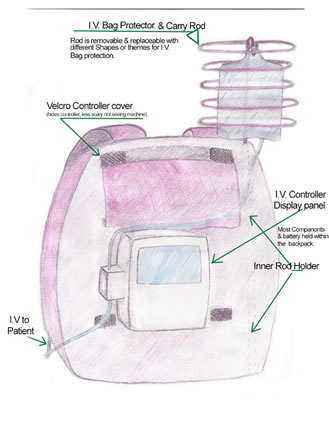
Eleven-year-old Kylie Simonds of Naugatuck sought to raise $50,000 to manufacture a working prototype of the pediatric chemo back-pack she invented.  In just five months, she has.  Her gofundme campaign, which began on July 22, now stands at $53, 134. Kylie is a cancer survivor, and designed an I.V. backpack for children on chemotherapy, receiving transfusions, or other medical reasons.  Her goal was to improve mobility – to make moving around easier, eliminating the traditional I.V. poles. 1791872_1406591846.6065_multi

Kylie was challenged to come up with an invention through her school (Cross Street School) and the Connecticut Invention Convention, held annually. More than 130 Connecticut schools participate, creating over 10,000 young inventors each year. Kylie's invention was chosen by her middle school teachers, among others, and she attended the Invention Convention, where over 700 of the top inventions were displayed and many selected for awards and recognition.

Kylie's invention received four awards, including the "Patent Award", the highest award at the convention. The Patent Award has allowed Kylie's invention to be submitted to the US Patent & Trademark Office with the sponsor covering all costs.

Her accomplishment was recently noted in the Bulletin of the Connecticut Academy of Science and Engineering, and has been featured in news media stories in Connecticut and beyond.  Last month, she was among ten young people (she was the youngest) honored as “women in tech” at the Women of the Year Awards sponsored by Glamour magazine.

With help from her father, Kylie is now doing R&D to make the prototype.  She has found numerous infusion pumps that will suit this idea but the cost for them is thousands of dollars.  For example, the controller device will need to be customized to be mobile and also small enough to fit in a backpack.  Additionally, the backpack will need to be designed to support both the IV infusion pump and the carry rod.

Kylie, the oldest of three children in her family, underwent 46 weeks of chemotherapy and is in remission from rhabdomyosarcoma, a cancer that affects the soft tissues and connective tissues or bones.IV-Pediatric-Backpack-for-Kids-With-Cancer

“I used to have to use the IV poles and I always tripped over all the wires,” she said. “It was hard to walk around and I always had to have someone push it for me because I was kind of weak when I was in chemo.”

She hopes to begin production of lines of the backpacks for boys and girls, which will incorporate animal features into the design to make them fun for young children.  Next would be researching designs for a backpack line for teens and young adults.

A total of 1,289 people have donated to her fundraising initiative, which remains active, according to the webpage.  Kylie has indicated that all donations in excess of her $50,000 goal will go towards the manufacturing of the “first usable I.V. backpacks.  EVERY PENNY!”


Planning Underway for 2015 White House Conference on Aging; Connecticut Has 7th Oldest Population

Next year will be the 50th anniversary of Medicare, Medicaid, and the Older Americans Act, as well as the 80th anniversary of Social Security. It will also be the year when the White House will convene the 2015 White House Conference on Aging. The Conference will be of particular interest in Connecticut, currently the 7th oldest state in the nation based on median age.  The state is undergoing “a permanent and historic transformation in its demographics,” according to the state’s Legislative Commission on Aging (LCA).

The first White House Conference on Aging was held in 1961, with subsequent conferences in 1971, 1981, 1995, and 2005. These conferences have been widely viewed as catalysts for development of aging policy over the past 50 years.

The White House is “fully committed,” to conducting a 2015 conference, and is moving forward developing plans.  Officials intend to seek broad public engagemelogo-WHCOA2015nt and work closely with stakeholders in developing the conference, viewed as “an opportunity to look ahead to the issues that will help shape the landscape for older Americans for the next decade.”



Given the advances in technology and social media in the past decade, the 2015 Conference is expected to use web tools and social media “to encourage as many older Americans as possible to participate,” according to White House officials.

Among the key issues likely to be included are: retirement security; healthy aging; long-term services and supports to help older adults remain in their communities; and preventing financial exploitation, abuse, and neglect of older adults.

According to the Connecticut for Livable Communities report, issued earlier this year by the LCA, the state’s 65 and older population is projected to grow by 57% between 2010 and 2040. During the same period, Connecticut’s 20- to 64-year-old population is projected to grow less than 2%.

“In 2010, there were 4.35 working-age people for each person age 65 and older in Connecticut,” according to the CLCA. “In 2030, there will be only 2.75.”  More than one-third of the Connecticut population is over the age of 50, according to the report, and that proportion continues to rise. Residents born in Connecticut today, the report indicates, can expect to live to be 80.8 years old—the third highest life expectancy in the nation.

Nationally in 2013, there were 44.7 million Americans aged 65 and over and 6 million aged 85 and over.  Over the next 50 years, the number of people aged 65 and older is expected to more than double to 92 million and the number of people aged 85 and older is expected to triple to 18 million.

Among the key areas expected to be highlighted during the Conference, according to the White House website:282f3319af64c02e9f_h7m6bq4iz

  • Retirement security - Financial security in retirement provides essential peace of mind for older Americans, but requires attention during our working lives to ensure that we are well prepared for retirement.
  • Healthy aging will be all the more important as baby boomers age. As medical advances progress, the opportunities for older Americans to maintain their health and vitality should progress as well and community supports, including housing, are important tools to promote this vitality.
  • Long-term services and supports - Older Americans overwhelmingly prefer to remain independent in the community as they age. They need supports to do so, including a caregiving network and well-supported workforce.
  • Elder justice - Seniors, particularly the oldest older Americans, can be vulnerable to financial exploitation, abuse, and neglect. The Elder Justice Act was enacted as part of the Affordable Care Act, aimed at protecting seniors from scam artists and others seeking to take advantage of them.

In 2013, there were 75.9 million baby boomers (people born between 1946 and 1964) accounting for almost one-quarter of the population. Baby boomers began turning 65 years old in 2011.  Between 1980 and 2013, the centenarian population more than doubled from 32,194 in 1980 to 67,347 in 2013.

Between 1990 and 2013, the labor force participation rate of people age 65 and over increased from 12% to 19%.  Among the population age 65 and over, there are 128 women for every 100 men. At age 85 and over this ratio increases to 196 women for every 100 men.

Earlier this year, Cecilia Muñoz, Assistant to the President and Director of the Domestic Policy Council, announced that Nora Super will be leading this effort as the Executive Director of the 2015 White House Conference on Aging.

Additional information can be obtained by contacting: White House Conference on Aging, 200 Independence Avenue SW, Suite 637D, Hubert H. Humphrey Building, Washington, DC  20201, (202) 619-3636, info@whaging.gov. Individuals can also sign up for updates as plans develop, at https://public.govdelivery.com/accounts/USWHCA/subscriber/new?topic_id=USWHCA_1

Individuals with Depression Not Seeking Help from Mental Health Professionals, Study Finds

As the public conversation about mental health continues, new federal data released by the Centers for Disease Control and Prevention suggest that nearly two-thirds of individuals who have severe depression do not seek the assistance of mental health professionals. The report, by the National Center for Health Statistics within CDC, also found that people with mild depressive symptoms, as well as those with moderate or severe depressive symptoms, reported difficulties with work, home, and social activities related to their symptoms. For those with severe depression, nearly 90 percent reported such difficulties.  Nearly 3 in 4 with moderate depression also reported having difficulty in those everyday situations.

Studies have shown that the most effective treatment for depression, especially for severe depression, is a combination of medication and therapy. Although medication can be prescribed by a primary care physician, therapy is generally provided by a mental health professional.Depression

The study, which covered 2009-2012, found:

  • 7.6% of Americans (aged 12 and over) had depression (defined as moderate or severe depressive symptoms in the past 2 weeks). Depression was more prevalent among females and individuals age 40–59.
  • About 3% of Americans (aged 12 and over) had severe depressive symptoms, while almost 78% had no symptoms.
  • People living below the poverty level were nearly 2½ times more likely to have depression than those at or above the poverty level.
  • Almost 43% of persons with severe depressive symptoms reported serious difficulties in work, home, and social activities. Of those with severe symptoms, 35% reported having contact with a mental health professional in the past year.

According to the National Institutes of Health, more than 20 million people in the United States have depression. Its symptoms go beyond feeling sad for a few days, and interfere with people's daily lives, causing energy loss, feelings of worthlessness, problems with sleeping, or thoughts of death or suicide.CDC_logo2

A report by the Connecticut Department of Public Health (DPH) issued earlier this year found that 1 in 6 Connecticut adults (16.7 percent) reported having been told they had a depressive disorder. Women were significantly more likely to have been told they had a depressive disorder (19.0 percent) compared to men (14.2 percent).The likelihood of having been diagnosed with a depressive disorder decreased significantly for each increase in income range, the study found.  The DPH data is from 2012.

According to the CDC, depression is a serious medical illness with mood, cognitive, and physical symptoms. Depression is associated with higher rates of chronic disease, increased use of health care facilities, and impaired functioning.  Its causes may be genetic, environmental, psychological or biochemical.  Numerous studies have also shown that individuals with depression have more functional limitations than those without depression. The DPH study points out that “Depressive disorders may interfere with a person’s work and daily activities and prevent them from functioning normally. Some forms of depression develop under unique circumstances; others occur in episodes or may be longer-term.”

Concussion Education Plan Due to School Districts on January 1; Advisory Panel Meets Today

Three weeks from now, Connecticut should have in place a state concussion education plan to be used by local and regional boards of education.  That’s according to a law passed by state legislators earlier this year in response to growing concerns about the potential lifelong effects of concussions on students injured in school sports. Local school boards will be responsible for implementing the plan using written materials, online training or videos, or in-person training.

The Connecticut Youth Concussion Advisory Group, coordinating the state’s effort, has met four times this fall.  Minutes of the most recent meeting, on November 6, were posted to the group’s website more than a month later, just days ahead of the meeting scheduled for Thursday, December 11.  That meeting is to include an update on the Concussion Education Plan, according to the meeting agenda.

Although the law was approved in May, it was highlighted in public ceremonies in September in Westport, the hometown of three mothers who were instrumental in advocating for passage of the law. Each of their sons’ lives were changed by concussions. Ann Sherwood, Pippa Bell Ader and Diana Coyne came together to form the Parents Concussion Coalition, FOX Connecticoncussion3cut reported.

Public Act 14-66 requires the state Department of Education to consult with the state Department of Public Health, the governing authority for intramural and interscholastic athletics, an appropriate organization representing licensed athletic trainers, and an organization representing county medical associations to do the following:

  • By January 1, 2015, develop a concussion education plan to be used by local and regional boards of education. Boards of education will be responsible for implementing such plan using written materials, online training or videos, or in person training.
  • Develop a signed informed consent, which must include a summary of the concussion education plan, and a summary of the local board’s policies regarding concussions. For the school year beginning July 1, 2105, local boards of education must prohibit a student athlete from participating in intramural or interscholastic athletic activities unless the student athlete and a parent or guardian returns such form.
  • Collect and report to DPH all occurrences of concussions, including the nature and extent of the concussion and the circumstances in which the student sustained the concussion.

The law also requires that a training course regarding concussions be developed or approved, and that “a refresher course regarding concussions, including current best practices, and, for football coaches, current best practices around the frequency of games and full contact practices and scrimmages.”  That provision was effective on October 1. 5455a41b65555.image

At the November meeting of the Advisory Group, “there was discussion regarding the pros and cons of mandating a specific time frame between stages of recovery from a concussion versus considering each case individually and relying on the student’s physician,” the meeting minutes reported.  Among materials reviewed were a Concussion Web page, Concussion Education Initiative Course feedback, and an annual review and refresher course.

Regarding data collection, the Advisory Group “discussed what will work best for schools; what is an ideal versus realistic approach.”

The Connecticut Interscholastic Athletic Conference (CIAC) Board of Control is requiring all CIAC member schools (including private and parochial schools not covered by the law) to develop a plan and begin implementation in the 2014-15 school year.

Westport’s Staples High School is among the Connecticut school that now provide concussion protocols on their websites, so that students, parents, coaches and the community are aware of expected practices.  According to the Staples site, “links include concussion education, the concussion care plan that is to bimagee filled out by your physician when a concussion occurs, our procedures for concussion management, and our Return to Play protocol that will be followed by all athletes before returning to competition after sustaining a concussion.”

Connecticut was one of the first states in the nation to adopt a concussion law, in 2010, following Oregon and Washington, which implemented similar statutes in 2009.  The law dealt primarily with training requirements for coaches.

Video 1       Video 2


Postpartum Psychosis More Prevalent Than Most Realize

Listeners to the National Public Radio program “On Point” this week heard a Connecticut resident discussing the progress being made on a one-on-one basis, as well as through international efforts, to respond to the prevalence of postpartum psychosis. Teresa Twomey of Cheshire is co-coordinator in Connecticut for Postpartum Support International (PSI) the leading organization dedicated to helping women who experience perinatal mood disorders, working to increase awareness among public and professional communities.PSI-LOGO-best-copy-21

Approximately 15 percent of all women (1 in 8) will experience postpartum depression following the birth of a child, according to the nonprofit organization. Up to 10 percent will experience depression or anxiety during pregnancy. When the mental health of the mother is compromised, PSI explains, it affects the entire family.

A woman with postpartum depression might experience feelings of anger, sadness, irritability, guilt, lack of interest in the baby, changes in eating and sleeping habits, trouble concentrating, thoughts of hopelessness and sometimes even thoughts of harming the baby or herself.

In a TEDx talk in Hartford a year ago, Twomey described her own postpartum psychosis, which was both unexpected and severe.  While initially reluctant to discuss her circumstances publically, the well-publicized deaths of children in the U.S. at the hands of their mothers while suffering from postpartum psychosis prompted her to action. tedx

Based on her personal experiences, Twomey is the author of “Understanding Postpartum Psychosis: A Temporary Madness.” In an interview with FOX Connecticut when the book was published five years ago, she said "while most women who suffer postpartum psychosis eventually recover without harming anyone, they most often do so in silence.” Paranoia is a common symptom, explained Twomey, and “that moves women to hide their symptoms from everyone around them. The woman can hence appear normal, but be putting both herself and her baby at risk. We can prevent and treat this, but we need to recognize it by better screening of women postpartum."

While many women experience some mild mood changes during or after the birth of a child, 15 to 20 percent of women experience more significant symptoms of depression or anxiety, according to the PSI website. Women of every culture, age, income level and race can develop perinatal mood and anxiety disorders. Symptoms can appear any time during pregnancy and the first 12 months after childbirth.

PSI stresses that there are effective and well-researched treatment options to help advance recovery. Every perinatal mood disorder, no matter how strong the symptoms are, is temporary and treatable, PSI points obookut.

PSI Coordinators are volunteers who offer caring and informed support and resources to moms and their families. They also provide information and resources for area providers who are caring for pregnant and postpartum families.  In Connecticut, the volunteer organization has support groups based in Middletown, New Britain and West Hartford.  Support services provided are free of charge.

The organization states that there is no one cause for perinatal mood and anxiety disorders. Women who develop depression or anxiety around childbearing have symptoms that are caused by a combination of psychological, social, and biological stressors, and there does not need to be a family history of depression.  “Developing a perinatal mood and anxiety disorder is not your fault,” the website emphasizes. “You did not do anything to ‘get’ this.”

PSI headquarters is located in Portland, Oregon and has members all over the world, including volunteer coordinators in every one of the United States and in more than 36 other countries. PSI disseminates information and resources through its volunteer coordinators, website and annual conference. Its goal is to provide current information, resources, education, and to advocate for further research and legislation to support perinatal mental health.

Twomey said that postpartum psychosis should be treated as a public health issue, so that greater attention could be focused on prevention.  Although retelling and reliving her story is difficult, she does so because “if this helps one family, saves one life, it is worth it.”

Adult Obesity Rate Reduced in Connecticut; Climbs in Neighboring States

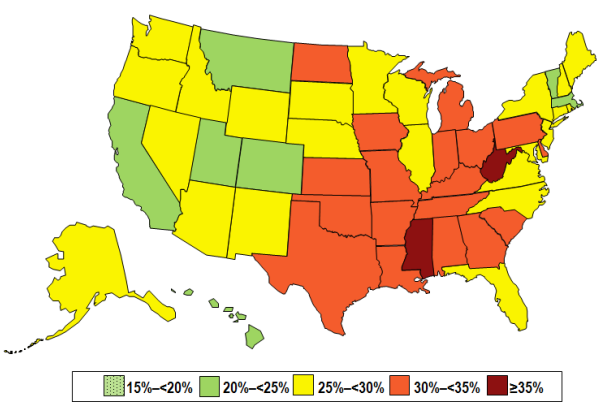
Obesity, a common and costly health issue that increases risk for heart disease, type 2 diabetes, and cancer, affects more than one-third of adults and 17 percent of youth in the United States. A state-by-state review indicates that the adult obesity rate in Connecticut has dropped slightly in 2013 compared with 2012, and remains at about one-quarter of the population, mid-range among the states.  Nationwide, improvement remains elusive. By the numbers, 78 million adu2013-state-obesity-prevalence-maplts and 12 million children are obese—figures many regard as an epidemic. Adults are considered obese when they are about 35 pounds overweight.


In Connecticut, the segment of the adult population considered to be obese dropped from 25.6 percent in 2012 to 25.0 percent in 2013.  It was the only state among those bordering Connecticut to see an improvement in the obesity rate.

In neighboring New York, the rate climbed from 23.6 percent in 2012 to 25.4 percent in 2013. In Massachusetts, the obesity rate was 23.6 in 2013, up from 22.9 in 2012.  In Rhode Island, the obesity rate increased from 25.7 percent of the adult population to 27.3 percent.

Data from the Behavioral Risk Factor Surveillance System, of the National Centers for Disease Control and Prevention was featured by the National Conference of State Legislatures.ObeseScale

In 2013, obesity rates among American adults remained high, and in numerous instances, was rising:

  • No state has an obesity rate below 21 percent.
  • In two states – Mississippi and West Virginia - obesity rates now exceed 35 percent for the first time, the highest in the nation.
  • 20 states have obesity rates at or above 30 percent. (In 2012, 13 states had levels that exceeded 30 percent.)

Overweight and obese individuals are at increased risk for many diseases and health chronic conditions, including hypertension (high blood pressure), osteoarthritis (a degeneration of cartilage and its underlying bone within a joint), dyslipidemia (for example, high total cholesterol or high levels of triglycerides), type 2 diabetes, heart disease, stroke, gallbladder disease, sleep apnea and respiratory problems, and some cancers (pancreas, kidney, prostate, endometrial, breast, and colon).

The lowest obesity rates in the nation are in Colorado, at 21.3 percent and Hawaii at 21.8 percent.  In both states, the rate declined between 2012 and 2013.

Jewel Mullen: Public Health Commissioner At Center of State's Ebola Response

Described on the Yale School of Public Health website as “a leader in building effective community-based chronic disease prevention programs,” Connecticut’s Commissioner of Public Health, Dr. Jewel Mullen, has a long academic association with Yale, even as both were catapulted into the breaking news spotlight with a possible case of the Ebola virus in a patient under care at Yale-New Haven Hospital. Mullen is also well-acquainted with the U.S. Centers for Disease Control and Prevention, having served on public health advisory committees, appointed by the CDC and the U.S. Department of Health and Human Services.  Little known by state residents outside of the public health community, she is well regarded within those circles.Dr. Jewel Mullen

She is the New England regional representative to the Association of State and Territorial Health Officials (ASTHO) Board of Directors and chairs ASTHO’s Prevention Policy Committee. In 2013, she was appointed to the Institute of Medicine’s Committee on Quality Measures for the Healthy People Leading Health Indicators.

Appointed as Commissioner by Governor Dannel Malloy at the start of his administration in 2011, Dr. Mullen has combined clinical work, research, teaching and administration throughout a career focused on improving the health of all people, especially the under served. Board certified in internal medicine, Dr. Mullen received her Bachelor (1977) and Master (1996) of Public Health degrees from Yale University where she also completed a post-doctoral fellowship in psychosocial epidemiology.dph-color_bigger

Earlier this month, Malloy declared a public health emergency in Connecticut, issuing a precautionary and preparatory order that allows state public health officials to coordinate a targeted quarantine in case Ebola arrives in the state, with decision-making authority residing in Commission Mullen.  Without the Governor’s declaration, there would not be a statewide ability to isolate or quarantine – instead, the authority would have remained with individual local public health directors.

Prior to joining the Department of Public Health, Dr. Mullen was director of the Bureau of Community Health and Prevention at the Massachusetts Department of Public Health. In 2012 the CDC appointed Dr. Mullen to its advisory committee on health disparities, a subcommittee of the Advisory Committee to the Director.  Earlier in her career, she was the medical director of Baystate Mason Square Neighborhood Health Center in Springfield, Massachusetts. She graduated from the Mount Sinai School of Medicine where she was elected to AOA, the National Medical Honor Society, after which she completed her residency at the Hospital of the University of Pennsylvania.

In addition to being a physician, Mullen is also an educator, who has taught medicine at several different universities including New York University, the University of Virginia, Yale and Tufts University. . She also holds a Master in Public Administration degree from Harvard University’s John F. Kennedy School of Government. She is currently listed as a lecturer in epidemiology (chronic diseases) and in public health by the Yale School of Public Health and is an ex-officio member of the state Board of Regents for Higher Education.

Her priorities at the Connecticut Department of Public Health, according to the Department website, include chronic disease and injury prevention, health care quality and safety, health equity, and supporting local efforts to create healthy communities.  She has lived in Connecticut since 1992.

CT’s 40 Fastest Growing Tech Companies Achieve Statewide Recognition

Connecticut’s fasted growing technology companies will be the center of attention Thursday evening as the Connecticut Technology Council (CTC) and Marcum LLP spotlight the 2014 Marcum Tech Top 40. Now in its 7th year, the annual list features privately and publicly held companies, including some newcomers to the top 40. The 2014 winners are predominantly privately held companies, but 12 public companies also made the list, including Rogers Corporation, Gartner Inc. and Alexion Pharmaceuticals. That’s a slight drop from a year ago, when 14 public companies made the list.

Geographically, Fairfield County is home to 16 winning companies this year, followed by Hartford County and New Haven County, both with ten companies. For Fairfield and New Haven counties, the count increased by two businesses from a year ago; for Hartford County, the number was unchanged from last year. top 40 logo

The selected companies have at least $3 million in annual revenue and a demonstrated record of growth in each of the preceding four years.  Four of the businesses have over $1 billion in revenue.

The Marcum Tech Top 40 recognizes technology leaders in six industry sectors, including Advanced Manufacturing, Energy/Environmental, Life Sciences, New Media/Internet/Telecom, IT Services, and Software. This year’s winners range from newcomer VRSim, Inc., a creator of virtual reality training tools for industrial and manufacturing applications, to Priceline.com, a leader in mobile travel.

Bruce Carlson, CTC’s President and CEO added, “Connecticut is proud of its remarkable heritage of innovation and invention. Job growth in Connecticut is going to come from the technology sector and these Tech Top 40 companies are a great example of the range of technology companies that are growing substantially in Connecticut.”

Among the names on this year’s list:  Frontier Communications, based in Stamford, providing communications services to residential and business customers across the country (in the news this year for the proposed purchase of AT&T’s business in Connecticut); and Bolt Technology Corporation, based in Norwalk, the leading worldwide developer and manufacturer of seismic energy sources, synchronizers and underwater connectors used in offshore seismic exploration for oil and gas; and Fitlinxx, based in Shelton,  an industry leading provider of wellness applications, wireless activity monitors, and health tracking devices that motivate people to live active and healthy lifestyles.

The city with the largest number of companies on the Top 40 list this year is Stamford, with six, followed by Norwalk with four, Shelton with three, and Wallingford, South Windsor, Simsbury and New Haven, each with two businesses on the list.  Other towns with a top 40 high tech busineconnecticut-technology-councilss are Torrington, Danbury, West Hartford, Cheshire, Guilford, Greenwich, Plainville, Middlebury, New London, Killingly, Middletown, Fairfield, Madison, Branford, Farmington, Glastonbury, Windsor, Orange and East Hartford.

“Technology companies have a set of shared challenges that range from capital-raising and complex revenue reporting to intellectual property management and international expansion.  Whether they are private enterprises or Fortune 500 companies, this year’s Marcum Tech Top 40 winners all demonstrate management excellence and market foresight,” said Alex Discepolo, a Tax Partner in Marcum’s New Haven office and Practice Leader of the Firm’s High Technology Services Group.

The October 2 awards program, being held at the Oakdale Theater in Wallingford, will include an exhibition featuring the Marcum Tech Top 40 companies. Six category winners will be announced, and one company will be named overall winner for demonstrating the greatest percentage growth in revenue across all the technology verticals.

The Connecticut Technology Council is a statewide association of technology oriented companies and institutions, providing leadership in areas of policy advocacy, community building and assistance for growing companies. Speaking for 2,500 companies that employ some 200,000 residents, the Connecticut Technology Council seeks to provide a strong and urgent voice in support of the creation of a culture of innovation.

 The Tech Top 40:

Advanced Manufacturing

  • APS Technology Inc – Wallingford
  • Bolt Technology Corporation – Norwalk
  • Dymax Corporation – Torrington
  • Revolution Lighting Technologies Inc. – Stamford
  • Rogers Corporation – Rogers six categories

Energy/Environmental/Green Technology

  • FuelCell Energy, Inc – Danbury
  • Proton OnSite – Wallingford

 IT Services

  • Cervalis LLC – Shelton
  • Datto Inc. – Norwalk
  • Gartner Inc. – Stamford
  • Information Services Group Inc. – Stamford
  • IT direct, LLC. – West Hartford
  • VLink Inc. – South Windsor

Life Sciences

  • Alexion Pharmaceuticals, Inc. – Cheshire
  • Bio-Med Devices, Inc. – Guilford
  • Metrum Research Group LLC. – Tariffville

 New Media/Internet/Telecom

  • Chief Executive Group – Greenwich
  • EasySeat, LLC – Plainville
  • Frontier Communications – Stamford
  • HealthPlanOne LLC – Shelton
  • iSend, LLC – Middlebury
  • Job Target, LLC – New London
  • M2 Media Group – Stamford
  • Priceline.com, Inc. – Norwalk
  • Reality Interactive, LLC. – Middletown
  • TVEyes Inc. – Fairfield

Software

  • Clarity Software Solutions, Inc. – Madison
  • Core Informatics, LLC – Branford
  • Evariant, Inc. – Farmington
  • Evolution1, Inc. – Simsbury
  • Fitlinxx, Inc. – Shelton
  • Higher One, Inc. – New Haven
  • KenCast, Inc. – Norwalk
  • Link Systems Inc. – Stamford
  • Shoptech Corporation – Glastonbury
  • Square 9 Softworks Inc. – New Haven
  • SS&C Technologies Holdings Inc. – Windsor
  • Tangoe Inc. – Orange
  • TicketNetwork - South Windsor
  • VRSim, Inc. – East Hartford