CT Organization Leads Efforts to Increase Awareness of Rare Disesases
/Rare Disease Day, observed on February 28, is an annual awareness day dedicated to elevating public understanding of rare diseases and calling attention to the special challenges faced by patients and the community.
According to the National Institutes of Health (NIH), a disease is rare if it affects fewer than 200,000 people. Nearly 1 in 10 Americans live with a rare disease—affecting 30 million people—and two-thirds of these patients are children. There are more than 7,000 rare diseases and only approximately 450 FDA-approved medical treatments. Many rare diseases are chronic and life-threatening.
The National Organization for Rare Disorders (NORD), with national headquarters in Danbury and offices in Washington D.C. and Massachusetts, is a federation of voluntary health organizations dedicated to helping people with rare "orphan" diseases and assisting the organizations that serve them. NORD is committed to the identification, treatment, and cure of rare disorders through programs of education, advocacy, research, and service.
Rare Disease Day takes place every year on the last day of February (February 28 or February 29 in a leap year)—the rarest date on the calendar—to underscore the nature of rare diseases and what patients face.
In Connecticut this year, the Morgan Leary Vaughan Fund, Inc. (Morgan’s Fund), an all-volunteer public charity dedicated to Necrotizing Enterocolitis (NEC), will be holding a public awareness event on February 28 in Stratford. The organization’s inaugural event, Illumin8ing Rare, is designed to provide “a moment of reflection and appreciation for all those who have been directly affected by a rare disease,” organizers say, adding “it is an opportunity to celebrate survivors and to share tributes to those who are no longer with us.”
Morgan’s Fund mission is to promote public awareness about NEC and the potentially devastating effects it can have on preemies and their families, and to advance research to prevent, d iagnose, treat, and ultimately, cure NEC. Named after Morgan, it celebrates his survival, courage and strength. Morgan and his twin brother were born at 28 weeks, nearly three months early and each weighing less than 2.5 pounds. At four days old, Morgan developed NEC and lost approximately 20 percent of his small intestine. Morgan not only survived but has also thrived since his bout with NEC. The fund is his family’s way of paying it forward.
NEC is an inflammatory disease that leads to necrosis (death) of the intestine. It is predominately due to prematurity and its statistics are startling. NEC is the second leading cause of death in premature infants. NEC is the 10th leading cause of infant death overall. NEC is a rare disease — occurring in approximately 25,000 babies per year in the United States. Despite extensive study, the cause of NEC is uncertain.
Earler this week, the UConn School of Medicine Disabilities Interest Group hosted a Rare Diseases Awareness Event on February 25th at the University of Connecticut Health Center, celebrating individuals who have rare diseases and the many researchers and physicians who are fighting to find cures for these conditions.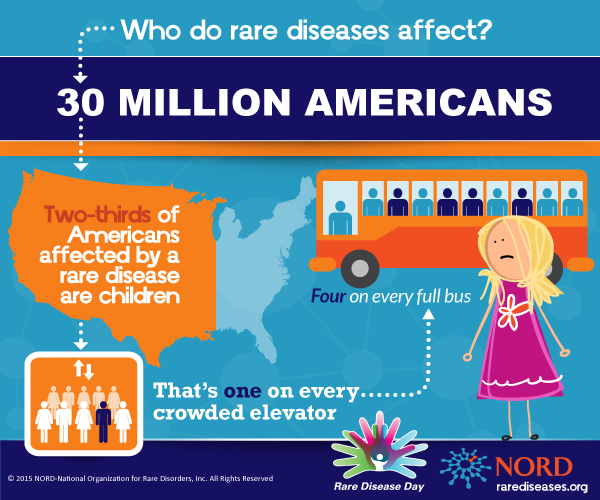
To raise awareness nationwide this year, NORD is coordinating a new social media campaign, #1in10, to highlight the 1 in 10 Americans living with a rare disease. “It’s astounding that there are just as many Americans living with a rare disease as there are people who are left-handed,” said Lisa Phelps, director of marketing and community relations at NORD. “We are launching this campaign to help raise important awareness for this major public health issue and the need for safe, new treatments.”
To help support the #1in10 campaign, NORD has launched the Instagram account, @rarediseasedayUS. Instagrammers are invited to tag @rarediseasedayUS in their photos and celebrations to share what’s happening now for Rare Disease Day. Instragram members are invited to use the official Rare Disease Day hashtags #RDD2015 and #RareDiseaseDay and follow Rare Disease Day on Facebook (/RareDiseaseDay.US) and Twitter (@RareDayUS).
For more information about Rare Disease Day, go to www.rarediseaseday.us. or visit NORD’s website, www.rarediseases.org.
http://youtu.be/DpIt8vH6xC8

 The report also suggests that policy makers “explore the possibility of incenting employer-based long-term care insurance coverage.” In 2009 almost 25,000 employers in the U.S. offered long-term care insurance to their employees – just 35 percent of the 7.5 million insurance policies in effect. In addition, the report encourages the Connecticut Congressional delegation to support a federal tax deduction for long-term care insurance, and urges policy makers to consider making reverse mortgages “a more viable option.”
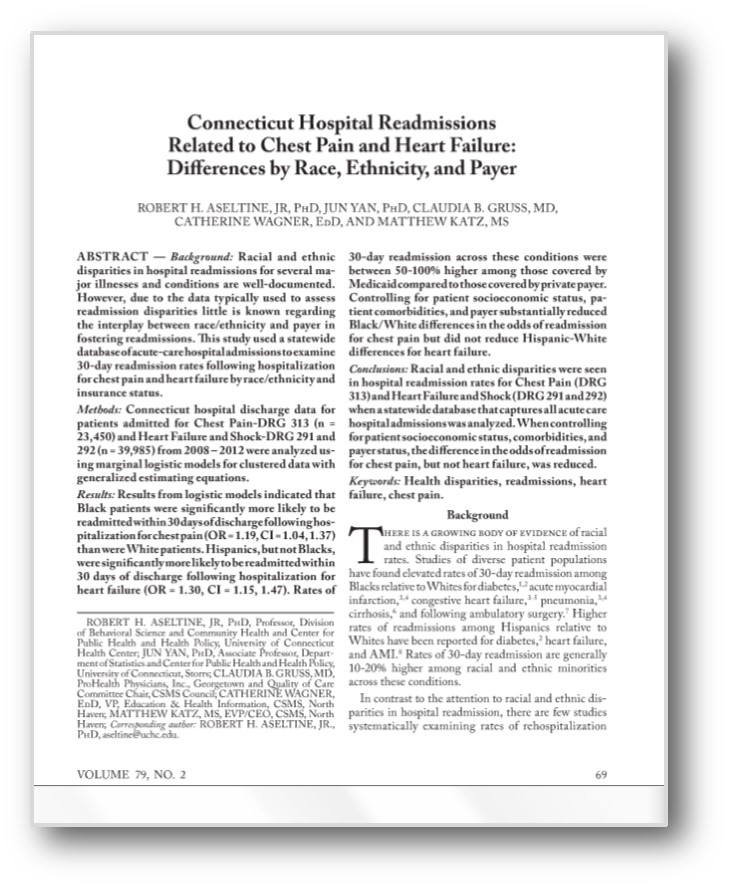
 The study also noted that “barriers to accessing community based care among Connecticut Medicaid beneficiaries are well-documented, often leaving such patients with few options other than hospital care for both urgent and non-urgent conditions.”
 ocations in Connecticut are in Bridgeport, Danbury,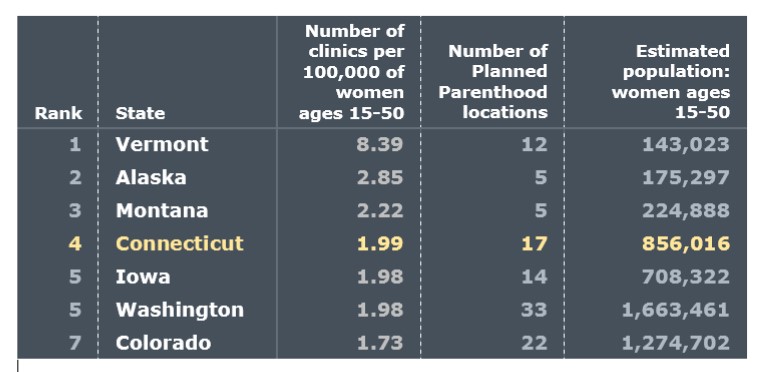
 for Disease Control and Prevention (CDC) recently released new data showing that while cervical cancer screenings have been proven to save lives, about eight million women ages 21 to 65 have not been screened for cervical cancer in the past five years. More than 12,000 women in the U.S. are diagnosed with cervical cancer each year, and more than half of these cases are in women who have never been screened or in those who haven’t been screened in the past five years, according to Planned Parenthood.


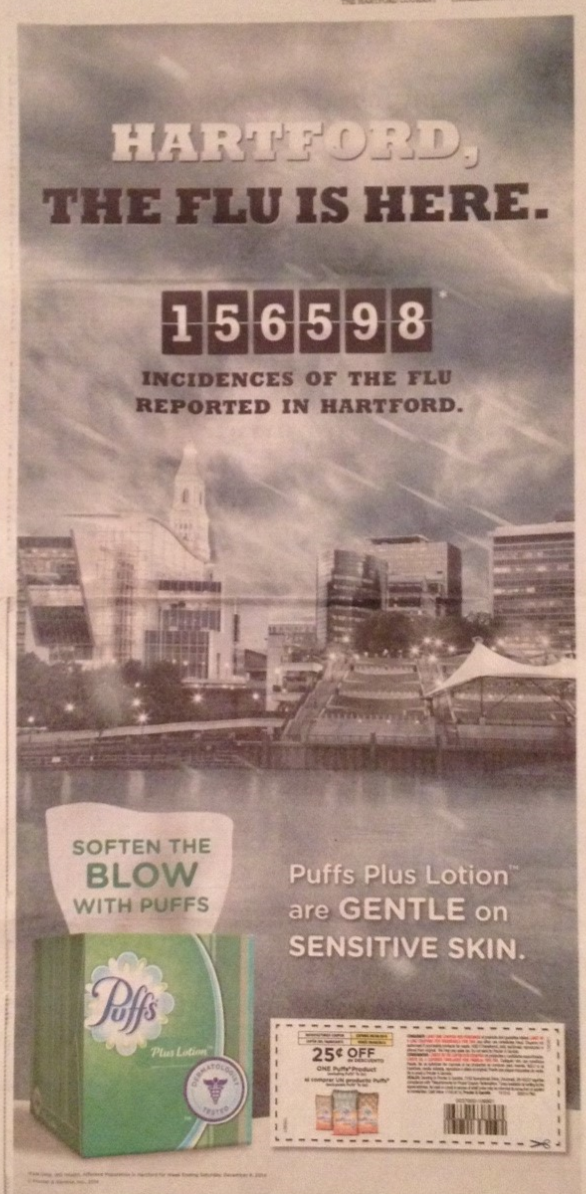
 The small print in the ad cites ”FAN Data, IMS Health, Affected Population in Hartford for Week Ending Saturday, December 6, 2014.”

 nt and work closely with stakeholders in developing the conference, viewed as “an opportunity to look ahead to the issues that will help shape the landscape for older Americans for the next decade.”

 cut
cut
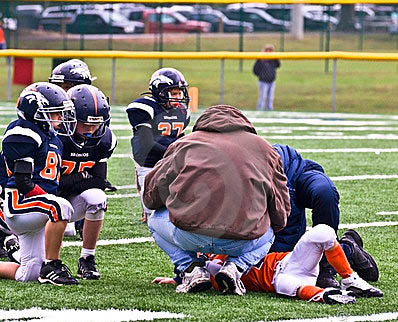
 e filled out by your physician when a concussion occurs, our procedures for concussion management, and our Return to Play protocol that will be followed by all athletes before returning to competition after sustaining a concussion.”