Connecticut's Small Business Friendliness Grade Drops to "D"
/A new survey of small business friendliness in the nation’s states has dropped Connecticut’s overall grade from D+ to D, and given the state a failing grade in seven of eleven small business friendliness categories. The grades dropped as compared with last year's survey.
Thumbtack.com, in partnership with the Ewing Marion Kauffman Foundation, released the third annual Small Business Friendliness Survey showing that small business owners in Utah, Idaho, Texas, Virginia and Louisiana gave their states the highest rating for friendliness to small business. In contrast, small business owners gave California, Rhode Island and Illinois an "F," while New Jersey joined Connecticut in earning a "D" grade. 
More than 12,000 entrepreneurs nationwide participated in this year's survey - the largest of its kind and the only survey to obtain data from an extensive, nationwide sample of small business owners to determine the most business-friendly locations.
The survey ranked states on specific categories, including: the ease of starting a business, ease of hiring, state and local business regulations, health & safety regulations, employment, labor & hiring regulations, tax code and tax-related regulations, licensing forms, requirements and fees, environmental regulations, zoning and land use regulations, and the availability of training & network programs for small business owners.
Connecticut received a B in two categories: ease of hiring and training & network programs, and a D in one: ease of starting a business. In all other categories, Connecticut received an F for small business friendliness.
Some of the key findings for Connecticut, according to the survey of small business owners:
- Connecticut received a D for its friendliness towards small business, one of the worst grades in the country.
- Connecticut received the worst grade in the nation for its regulatory friendliness.
- The state rated in last place for its health and safety, licensing, environmental regulations, and zoning laws.
- Small businesses in Connecticut had the second worst outlook for the national economy of any state.
- Female entrepreneurs in Connecticut rated the friendliness of their state government 9 percent higher than their male counterparts.
 In last year’s survey, Connecticut did not receive a single grade of “F.” The state’s overall grade was D+, and included an A in training & networking, B in ease of hiring, and B- in health & safety regulations. Other grades were D+, C- and C. In the first survey conducted, in 2012, Connecticut’s overall grade was D, and the state was not graded F any category.
"Creating a business climate that is welcoming to small, dynamic businesses is more important than ever, but rarely does anyone ask small business owners themselves about what makes for a pro-entrepreneur environment," says Jon Lieber, chief economist of Thumbtack.com. "Thousands of small business owners across the country told us that the keys to a pro-growth environment are ease of compliance with tax and regulatory systems and helpful training programs."
Some of the survey's key findings include:
- Small businesses in Texas, Utah and Idaho have rated their states in the top five every year this survey has run, while California and Rhode Island have been rated in the bottom five every year.
- The friendliness of professional licensing requirements was the most important regulatory issue in determining a state's overall friendliness to small businesses. Closely following licensing requirements was the ease of filing taxes.
- Once again, tax rates were a less important factor than the ease of regulatory compliance in determining the overall friendliness score of a jurisdiction. Two-thirds of respondents said they paid their "fair share" of taxes – that is, they felt like they were neither under-paying nor over-paying.
- Small business owners who were aware of training programs offered by their government were significantly more likely to say their government was friendly to small business than those who weren't.
 The first Knights game took place on April 11, 2014. (photo at left) The stadium features a two-level club with skyline views as well as a VIP, climate-controlled club with full service bar. In addition to corporate suites, there are 987 club seats at the new Charlotte stadium. Of those, 170 on the upper level sell for $41.50 per game, or nearly $3,000 per season. The remaining 817 club seats, at $21 per game, sell for about $1,500 annually. All of the club seats were sold out 10 months prior to the season opener, according to the Knights


 ed program’s sole survivor.
 as created in May 2012 under President Barack Obama’s America’s Great Outdoors Initiative. The program was voluntary, didn’t include any new regulations, and a designation brought no additional funding, the Associated Press has reported. It was intended to promote watershed conservation and support sustainable and healthy water supplies.
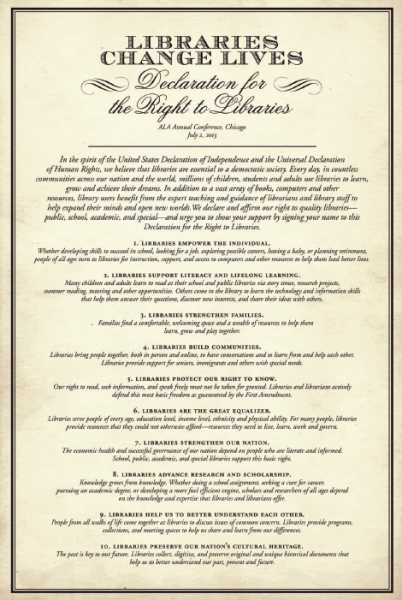 in Connecticut libraries and why it is so important that they continue to support our institutions,” officials said.
 people would prefer that companies be limited to marketing to consumers only once a year.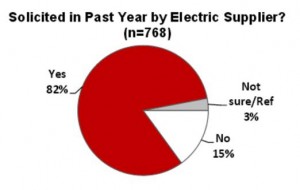
 valuating schools’ veteran-focused operations, the publication considered more than a dozen different measures of academic success, quality and rigor, as reported by schools and the Education Department, to develop the rankings.
 n benefits, BAH and book stipends from the VA.
 de by women at small and midsize museums” (often university or contemporary art institutions) where women hold nearly half of the directorships and earn on a par with men. Just five of the 33 most prominent art museums are led by women.

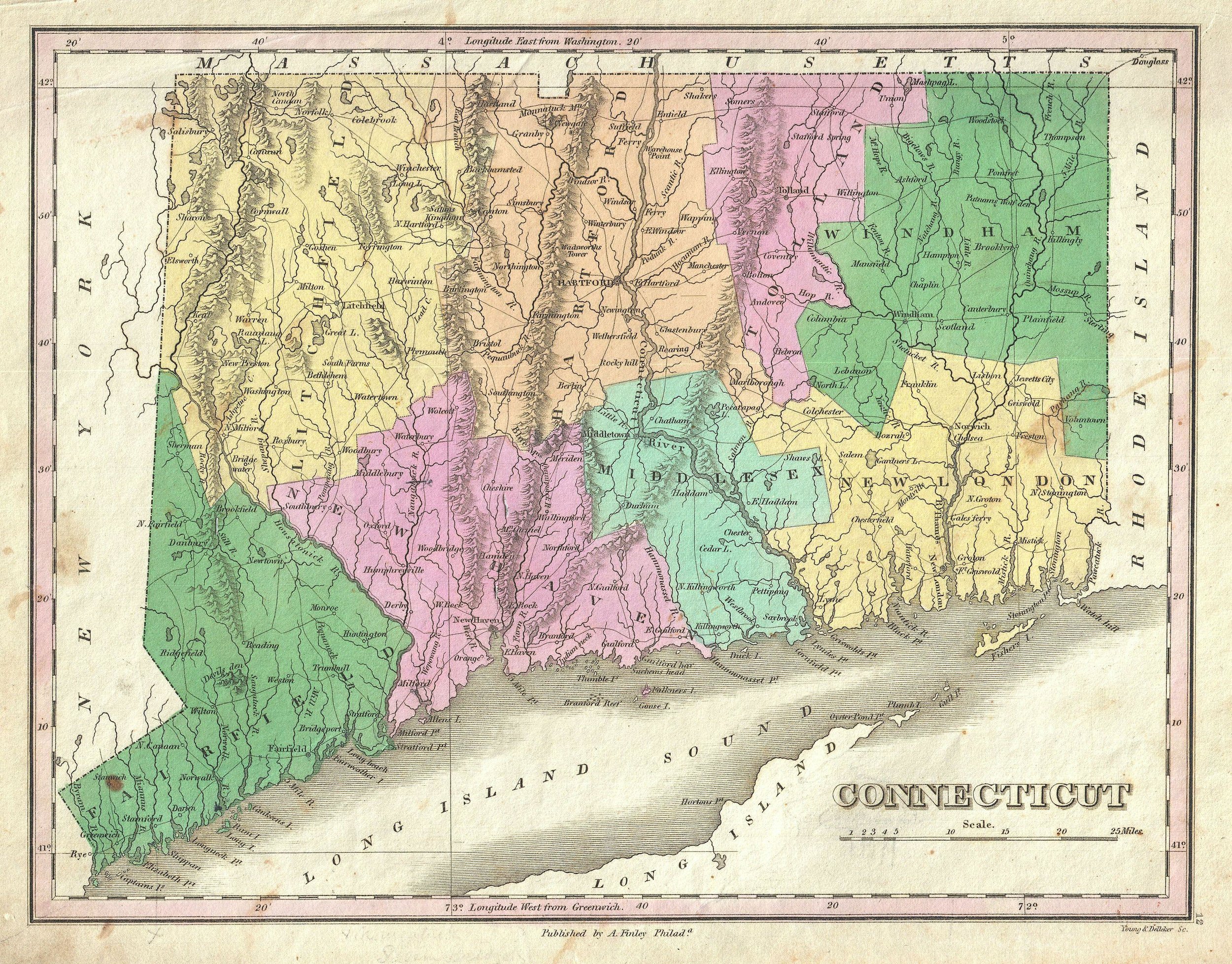

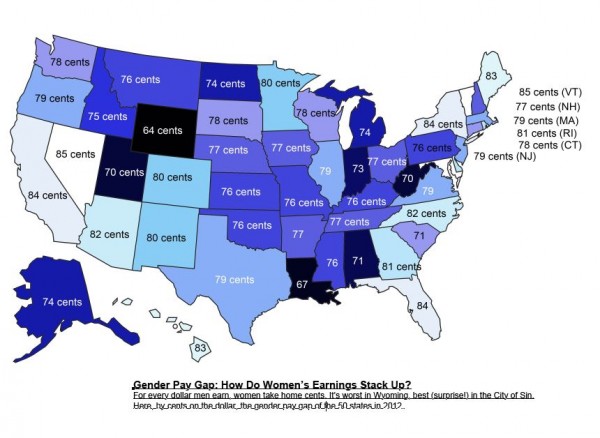 ogress is reflected in the total of 16 states in which women are now earning 80 cents or more to every male dollar, twice the count of 2010.
 n, president of Environment and Human health, Inc. “It is time for flame-retardants to be removed from all low fire-risk situations and products. As well, a certification program should be established where manufacturers certify the absence of flame-retardants, just as organic food programs certify the absence of pesticides.”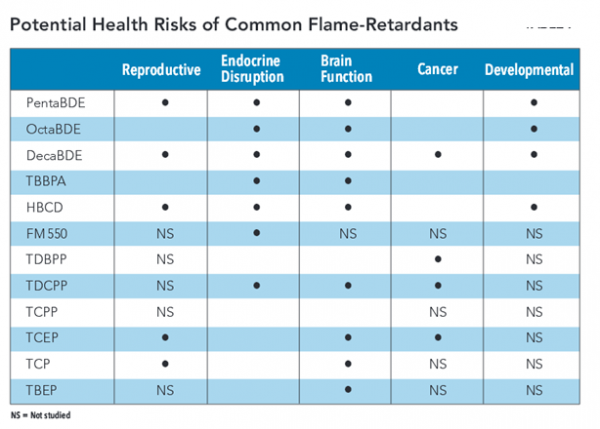
 g human health from environmental harms. EHHI does not receive any funds from businesses or corporations. The organization’s mission is “to conduct research to identify environmental harms affecting human populations, promote public education concerning the relationships between the environment and human health, and promote policies in all sectors that ensure the protection of human and environmental health with fairness and timeliness.