CT Start-Up Wins MassChallenge, Takes Home $300,000 to Advance Work in Glucose Monitoring
/Connecticut-based Biorasis, with roots at UConn, was recently awarded the MassChallenge’s top prize at their annual awards ceremony in Boston. The company was one of only four “Diamond Winners,” receiving a cash prize of $100,000. They were also one of two teams to receive the Sidecar Award, providing an additional $200,000 in non-dilutive funding.
Biorasis Inc. is a rapidly growing medical device company committed to advancing the field of metabolic monitoring through development of implantable biosensor platforms and basic research in the areas of drug delivery, nanotechnology and microelectronics. The company’s goal is to vastly improve the quality of life of diabetics.
The technology developed by Biorasis, the Glucowizzard™, is an ultra-small implantable biosensor for continuous, reliable glucose monitoring. This needle-implantable device wirelessly transmits glucose levels to a watch-like unit for real-time display, which in turn communicates with personal digital accessories like a smartphone. Continuous metabolic monitoring “holds great potential to provide an early indication of various body disorders and diseases,” the company website explains, adding that Biorasis’ implantable multi-sensor platform is “capable of such real-time, continuous monitoring.”
Biorasis is in the business of developing a miniaturized, hypodermic-injectable biosensor for reliable continuous glucose monitoring (CGM) with autonomous operation for 3-6 months that requires no user intervention.
Their solution “eliminates surgery for sensor implantation and extraction, restores active life style, enables remote care for juveniles and the elderly, enhances compliance, and saves 50-70% in annual healthcare costs.”
The company’s co-founders and scientific advisors are:
- Faquir Jaina, a Professor of Electrical & Computer Engineering at the University of Connecticut. He has over 35 years of experience in design, modeling and fabrication of micro/opto-electronic devices, integrated circuits and multiple quantum-well light valves/modulators.
- Fotios Papadimitrakopoulos, a Professor of Chemistry and Associate Director of the Institute of Materials Science at University of Connecticut. He has over 20 years of experience in the areas of polymers, nano/bio-systems and supramolecular assembly of nanostructures.
The company continues to grow, and their scientific team is currently expanding. The Biorasis website indicates that the company is seeking individuals with “a proven track record and experience in the areas of medical devices, electrochemistry, polymer science, pharmaceutics, animal studies, microelectronics and device packaging.” Inquiries can be directed to Biorasis at the UCONN Technology Incubation Program in Storrs. Additional investors are also being sought.
 MassChallenge, an independent nonprofit organization, envisions “a creative and inspired society in which everyone recognizes that they can define their future, and is empowered to maximize their impact.” They note that “novice entrepreneurs require advice, resources and funding to bring their ideas to fruition. Currently there is a gap between the resources these entrepreneurs need and the ability of the entrepreneurial ecosystem to provide them.” To bridge that gap, the organization’s primary activities include running an annual global accelerator program and startup competition, documenting and organizing key resources, and organizing training and networking events. They “connect entrepreneurs with the resources they need to launch and succeed immediately.”

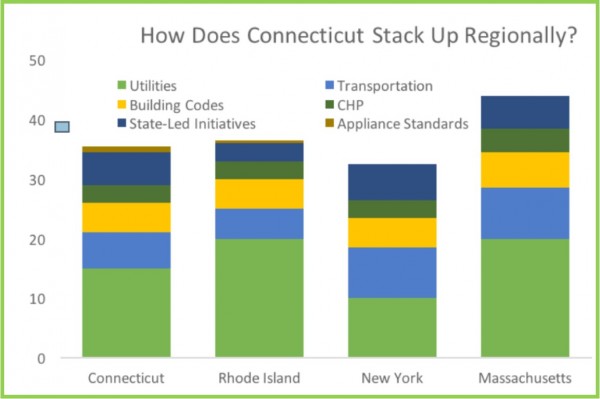
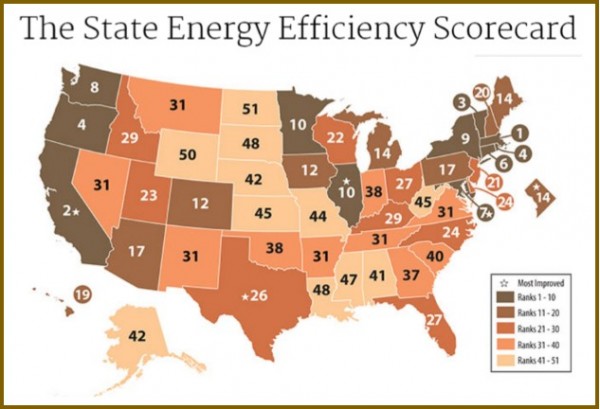 nd compliance efforts, earned 3 points out of 4 for its combined heat and power policies and programs, 5.5 out of 7 points for state-led energy efficiency initiatives, and 1 point out of 2 for appliance standards.
 olar power in Connecticut has grown 221 percent per Capita since 2012, ranking the state 13th in the nation, the report points out. The top solar growth states in the nation, like Connecticut, have adopted renewable energy requirements, strong laws allowing solar customers to sell their excess power to the electric grid, and other policies encouraging growth of the industry, the report indicates. The industry is also adding jobs much faster than the overall economy, employing 1,600 people in Connecticut last year, according to
  ."
."


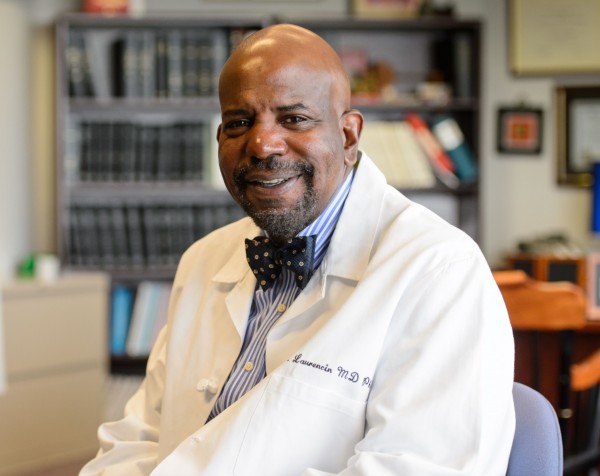 The news came just weeks after it was announced that Laurencin is the recipient of the 2016 Founders Award, the highest honor of The Society For Biomaterials. He will be honored at the 2016 World Biomaterials Congress in Montreal, Canada on May 18, 2016.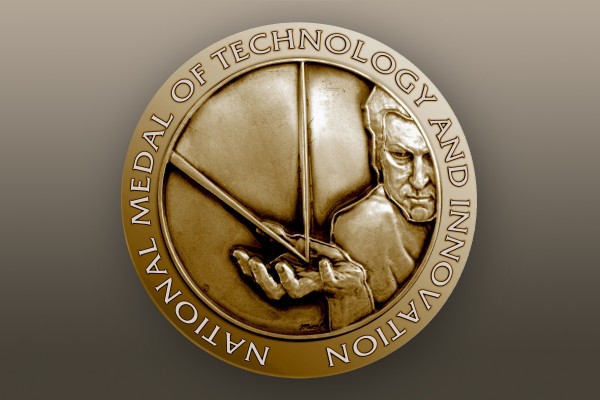


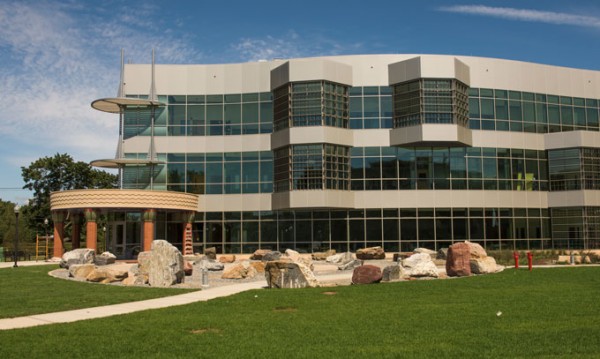
 The
The  Plans for the new Academic Science & Laboratory Building at Southern began back in 2007 with a comprehensive 10-year capital improvement plan, dubbed CSUS 2020, for upgrading the four institutions of the Connecticut State University System. Approved by the state legislature and signed into law by Gov. M. Jodi Rell, the plan was developed during the administration of Chancellor David G. Carter. It included upgrades and repairs to existing facilities, as well as construction of a new Visual & Performing Arts Center at Western Connecticut State University, which

 The celebration also included a tour of the lab’s research and development projects. Employees from Alstom’s nearby Windsor, campus, where the
  company employs more than 1,000 people, also attended tours of the new facility.

 NASA's Mars Reconnaissance Orbiter (MRO) provided the strongest evidence yet that liquid water flows intermittently on present-day Mars.
 NASA is developing the capabilities needed to send humans to an asteroid by 2025 and Mars in the 2030s – goals outlined in the bipartisan NASA Authorization Act of 2010 and in the U.S. National Space Policy, also issued in 2010. While a human landing is challenging, the development of a reliable return flight is a more difficult technologically hurdle. The colonization of the Red Planet is also being considered by some, but would require means to deal with the planet’s thin atmosphere, lack of oxygen and barren
  cold weather.
 As part of the preliminary preparation for such a flight, the nation’s space agency is working with a military laboratory at the submarine base in Groton to measure how teams cope with stress during month-long simulations of space flight. The Navy research that piqued NASA's interest started about five years ago when the Groton-based Naval Submarine Medical Research Laboratory, at the request of the submarine force, began examining ways to make tactical teams work together better, the Associated Press
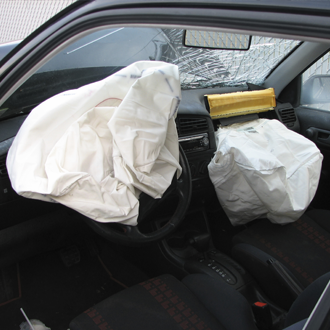
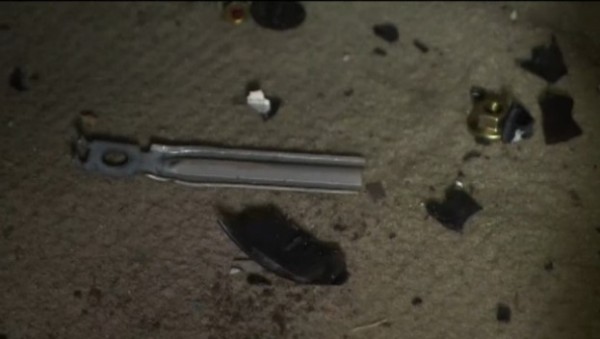
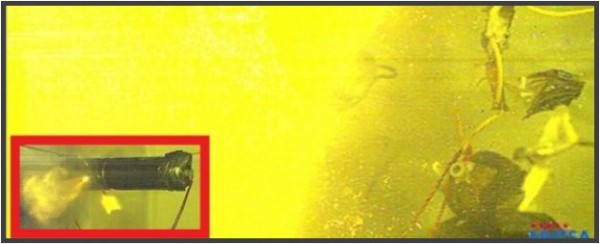 The company, and impacted automakers, are making parts necessary to accomplish repairs available in regions of the country with humid climates first, because humidity has been said to increase the risk of air bag rupture. Connecticut residents, living in a region not known for its humidity, are not a priority for the repair, and continue to wait for word when repairs for their recalled vehicles can be made.