Motor Vehicle Deaths Up 14 Percent in CT in 2015, Exceeding National Average
/The death toll in Connecticut from motor vehicle accidents increased 14 percent in 2015 from the previous year, consistent with a nationwide increase but higher than the national average. The increase in Connecticut ranked the state tied for 14th in the percentage increase in motor vehicle deaths from 2014 to 2015.
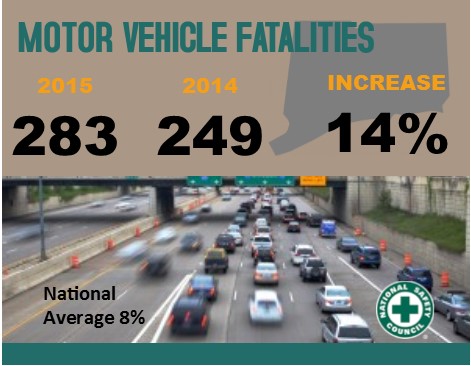 Nationally, 2015 saw the largest single-year percent increase in motor vehicle deaths since 1966. Estimates from the National Safety Council (NSC) show an 8 percent increase in 2015 compared with 2014 – with substantial changes in some states, including Connecticut. There were 283 motor-vehicle related deaths in Connecticut last year, compared with 249 in 2014 and 276 in 2013.
While many factors likely contributed to the fatality increase, a stronger economy and lower unemployment rates are likely at the core of the trend. The National Safety Council estimates 38,300 people were killed on U.S. roads, and 4.4 million were seriously injured, meaning 2015 likely was the deadliest driving year since 2008. The annual total of motor vehicle fatalities for 2014 was 35,398.
Over the last year at the state level, the National Safety Council estimates Vermont (30 percent), Oregon (27 percent), New Hampshire (24 percent), Georgia (22 percent), Washington (21 percent) and Florida (18 percent) experienced the largest percentage increase in fatalities, while only 13 states showed improvement. Among them were New Mexico (-20 percent), Kansas (-7 percent) and New Jersey (-2 percent).
Increases were also in Arizona (15%), Colorado (17%), Idaho (17%), Montana (17%), Maine (16%), Maryland (16%), and South Carolina (16%). Also seeing 14 percent increases along with Connecticut were Arkansas, Minnesota, Missouri, and Nevada. 
“These numbers are serving notice: Americans take their safety on the roadways for granted,” said Deborah A.P. Hersman, president and CEO of the National Safety Council. “Driving a car is one of the riskiest activities any of us undertake in spite of decades of vehicle design improvements and traffic safety advancements. Engage your defensive driving skills and stay alert so we can reverse this trend in 2016.”
From 2013 and 2015, Connecticut had a 3 percent increase in traffic fatalities, according to the data.
The estimated cost of motor-vehicle deaths, injuries, and property damage in 2015 was $412.1 billion, according to NSC. The costs include wage and productivity losses, medical expenses, administrative expenses, employer costs, and property damage.
The estimate is subject to slight increases or decreases as data mature, according to the National Safety Council. NSC has issued annual traffic fatality estimates since 1921. Over the last three years, preliminary estimates have fallen within 1 percent of final counts.
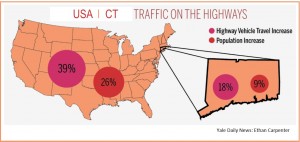
Average gas prices were 28 percent lower in 2015 than in 2014 and are projected to continue dropping this year, making driving more affordable for many Americans, NSC pointed out, noting that the U.S. Department of Transportation estimates a 3.5 percent increase in the number of miles driven in 2015 compared to 2014.
To help ensure  safety, the National Safety Council recommends drivers:
- Make sure every passenger buckles up on every trip
- Designate an alcohol and drug-free driver or arrange alternate transportation
- Get plenty of sleep and take regular breaks to avoid fatigue
- Never use a cell phone behind the wheel, even hands-free
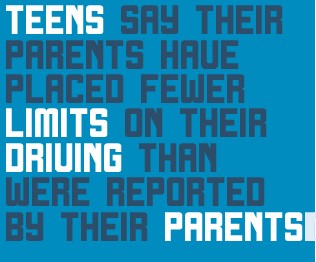
- Stay engaged in teens’ driving habits, as teens are three times as likely to crash as more experienced drivers
- Learn about vehicle safety systems and how to use them, including features such as adaptive cruise control, blind spot warning systems and backup cameras.
Founded in 1913 and chartered by Congress, the National Safety Council, nsc.org, is a nonprofit organization whose mission is to save lives by preventing injuries and deaths at work, in homes and communities, and on the road through leadership, research, education and advocacy.
 The OLR report also indicates that a Federal Highway Administration pilot program permits up to three states to toll existing Interstate highways that they could not otherwise adequately maintain or improve, and increase funding available for public transportation initiatives. In addition, $2.6 billion is provided to Amtrak’s Northeast Corridor (and $5.4 billion to other Amtrak lines) over five years. It separates the Northeast Corridor, from Boston to Washington, D.C, from other Amtrak accounts to ensure that the amounts assigned to that Corridor are used there, OLR reports.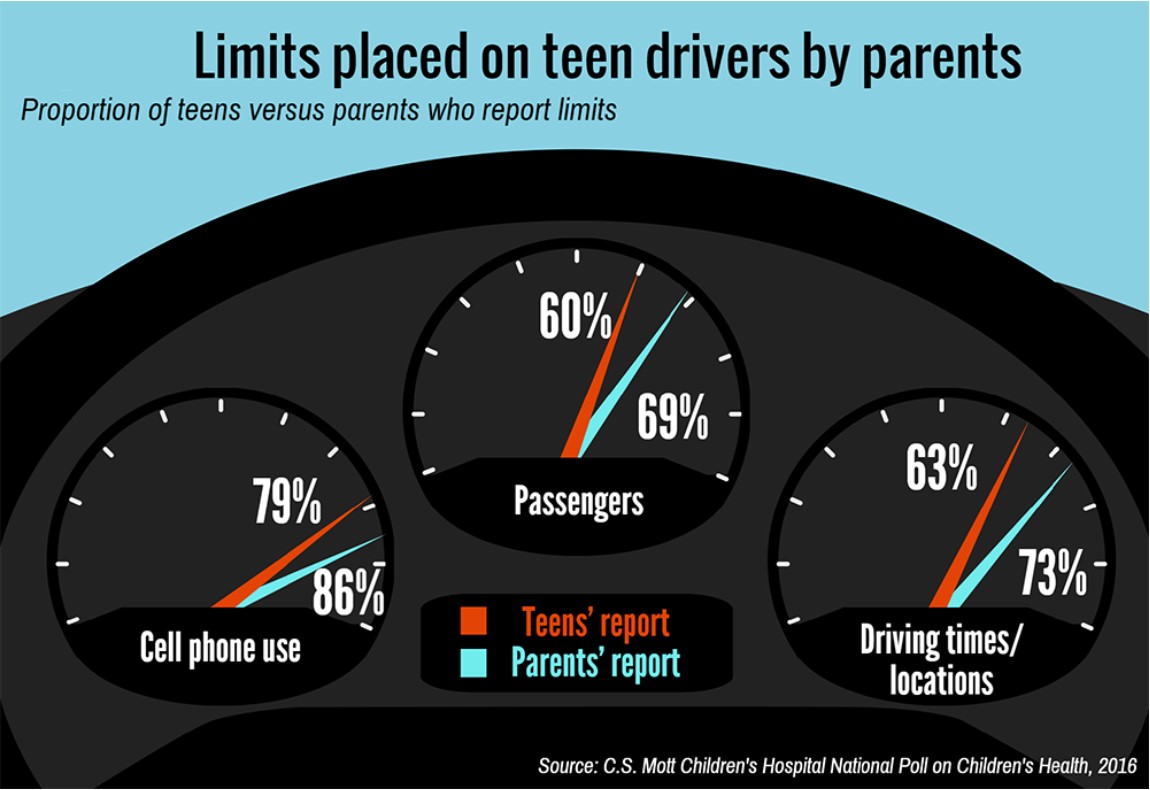




 locations in the United States to offer Aer Lingus flights to Ireland. The daily service will include one evening departure from Bradley and one afternoon departure from Dublin. Published
 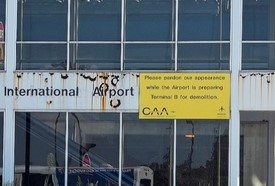 The demolition of the half-century old Terminal B is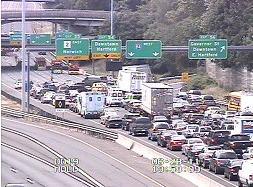
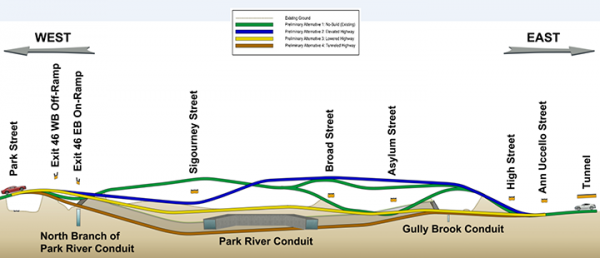 The work, which has yet to be funded, is likely to include moving or eliminating some exits and entrances – and possibly adding others in new locations - to improve traffic flow. Cost estimates range from $4 billion to $12 billion, depending on the option selected. Upcoming public meetings are to be held in East Hartford on Dec. 2 and Hartford on Dec. 10.
 Marking the launch of the new Share the Road campaign, this year's featured speaker is Colleen Kelly Alexander. Bike Walk Connecticut officials describe her remarkable story: After undergoing brain surgery in 2007 for a chiari malformation, Colleen overcame a lupus and cryoglobulinemia diagnosis in 2009, pushing forward to become a successful, competitive triathlete. In 2011, while on a routine bike ride, she was run over by a freight truck. Crushed, ripped apart and bleeding out, she flatlined twice, spent five weeks in a coma and has since endured over twenty surgeries. Defying diagnoses, dire predictions and death, Colleen stunned doctors by bucking the odds and coming back to run more than 50 races and complete 15 triathlons, including 4 half Ironman events since her trauma. Colleen and husband Sean Alexander were elected to the Bike Walk Connecticut board of directors in 2015.
 lnerable User Law Mandates $1000 Fine. Connecticut requires a fine of up to $1000 on drivers who cause the death or serious injury of a pedestrian, cyclist or other vulnerable road user who used reasonable care.
 For Pedestrians: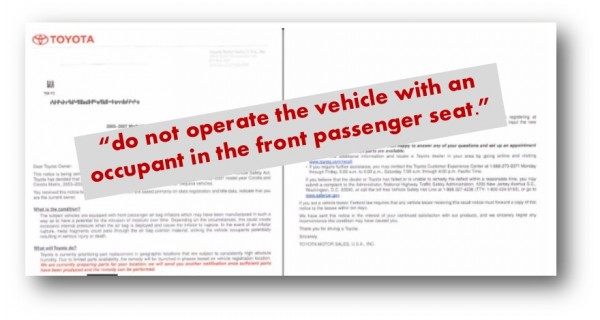
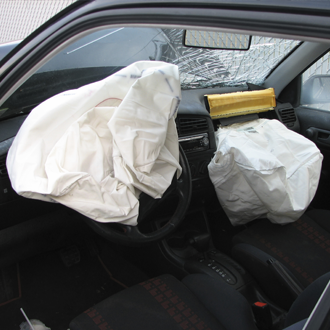
 The company, and impacted automakers, are making parts necessary to accomplish repairs available in regions of the country with humid climates first, because humidity has been said to increase the risk of air bag rupture. Connecticut residents, living in a region not known for its humidity, are not a priority for the repair, and continue to wait for word when repairs for their recalled vehicles can be made.