Most Expensive State for Car Insurance? Michigan Ranks First, CT is 17th
/The most expensive car insurance rates in the nation are in Michigan. Connecticut ranks 17th. It is the third consecutive year that Michigan has topped the list. Connecticut’s average of $1,367 is 3 percent above the national average of $1,325. The average rate in Connecticut jumped by 24 percent from 2015 to 2016, according to the survey. The Connecticut data was compiled in February. Among the New England states, Rhode Island was ranked tenth, averaging $1,608, Massachusetts ranked 21st at $1,325. Maine had the lowest rates, at $808 annually.
Insure.com’s 2016 state-by-state comparison of auto insurance premiums found that Montana captured the No. 2 spot for the second year in a row. New Jersey broke into the top five for the first time ever, Louisiana was No. 4, and Oklahoma rounded out the top five.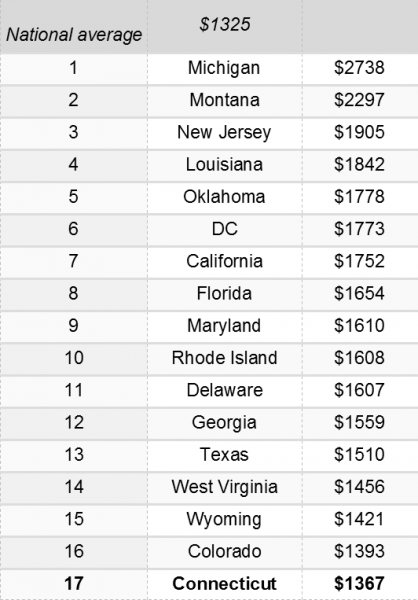
On the flipside of the cost coin, Maine led the way for the cheapest car insurance in the country. Maine has been in the top three for the least expensive car insurance for all six years of the study, according to insure.com. This year, Ohio came in No. 2, Wisconsin was three, Idaho took fourth, and New Hampshire earned No. 5.
The annual study compiles rates from six large insurance carriers in 10 ZIP codes in every state. Rates were for the same full-coverage policy for the same driver -- a 40-year-old man with a clean driving record and good credit. The rates are an average for the 20 best-selling vehicles in the U.S. in order to present more accurate rates for the average driver – without high-end sports or luxury cars skewing the data. Each model was rated on its cheapest-to-insure trim level.
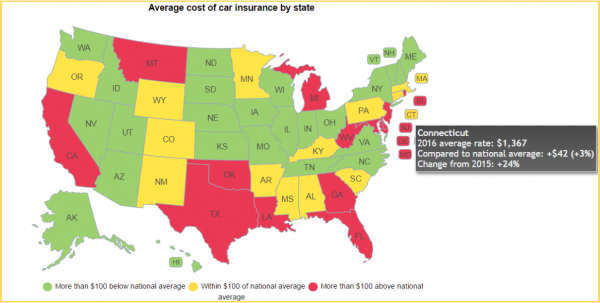 The national average for a full-coverage policy as featured in the Insure.com report came in at $1,325 this year – a slight increase from last year’s average of $1,311. Rates varied from a low of $808 a year in Maine to a budget-busting $2,738 in Michigan. Insurance rates in Michigan are more than double (107 percent) the national average.
Insurance rates are influenced by a number of different factors. Everything from traffic, crime rates, state and local laws, the percentage of uninsured drivers, as well as the number of insurance companies competing in a market can all result in higher or lower insurance premiums in your state.
Insure.com commissioned Quadrant Information Services to calculate auto insurance rates from six large carriers (Allstate, Farmers, GEICO, Nationwide, Progressive and State Farm) in 10 ZIP codes per state. Insure.com averaged rates in each state for the cheapest-to-insure 2016 model-year versions of America’s 20 best-selling vehicles and ranked each state by that average. Rates are for comparative purposes only within the same model year.
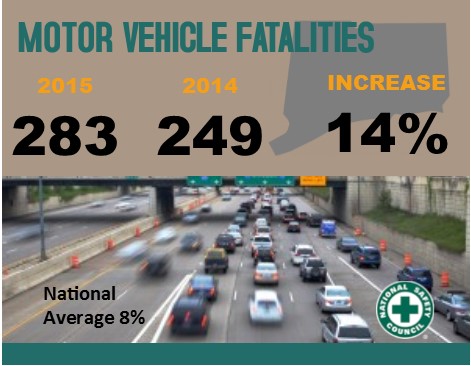 Nationally, 2015 saw the largest single-year percent increase in motor vehicle deaths since 1966. Estimates from the National Safety Council (NSC) show an 8 percent increase in 2015 compared with 2014 – with substantial changes in some states, including Connecticut. There were 283 motor-vehicle related deaths in Connecticut last year, compared with 249 in 2014 and 276 in 2013.
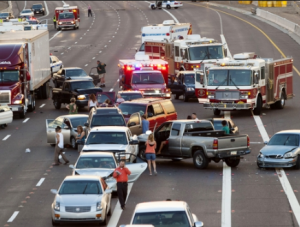 safety, the National Safety Council recommends drivers:
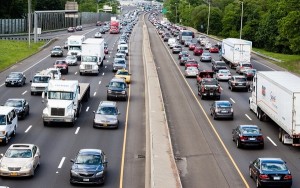 The OLR report also indicates that a Federal Highway Administration pilot program permits up to three states to toll existing Interstate highways that they could not otherwise adequately maintain or improve, and increase funding available for public transportation initiatives. In addition, $2.6 billion is provided to Amtrak’s Northeast Corridor (and $5.4 billion to other Amtrak lines) over five years. It separates the Northeast Corridor, from Boston to Washington, D.C, from other Amtrak accounts to ensure that the amounts assigned to that Corridor are used there, OLR reports.



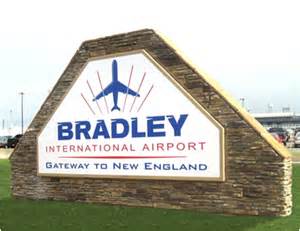

 locations in the United States to offer Aer Lingus flights to Ireland. The daily service will include one evening departure from Bradley and one afternoon departure from Dublin. Published
 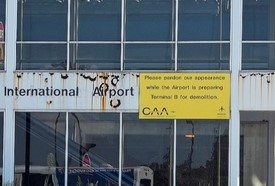 The demolition of the half-century old Terminal B is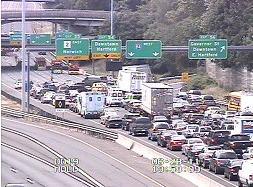
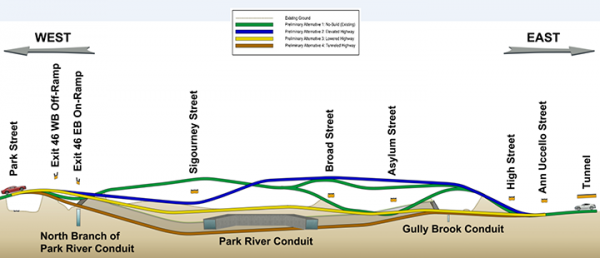 The work, which has yet to be funded, is likely to include moving or eliminating some exits and entrances – and possibly adding others in new locations - to improve traffic flow. Cost estimates range from $4 billion to $12 billion, depending on the option selected. Upcoming public meetings are to be held in East Hartford on Dec. 2 and Hartford on Dec. 10.
 Marking the launch of the new Share the Road campaign, this year's featured speaker is Colleen Kelly Alexander. Bike Walk Connecticut officials describe her remarkable story: After undergoing brain surgery in 2007 for a chiari malformation, Colleen overcame a lupus and cryoglobulinemia diagnosis in 2009, pushing forward to become a successful, competitive triathlete. In 2011, while on a routine bike ride, she was run over by a freight truck. Crushed, ripped apart and bleeding out, she flatlined twice, spent five weeks in a coma and has since endured over twenty surgeries. Defying diagnoses, dire predictions and death, Colleen stunned doctors by bucking the odds and coming back to run more than 50 races and complete 15 triathlons, including 4 half Ironman events since her trauma. Colleen and husband Sean Alexander were elected to the Bike Walk Connecticut board of directors in 2015.
 lnerable User Law Mandates $1000 Fine. Connecticut requires a fine of up to $1000 on drivers who cause the death or serious injury of a pedestrian, cyclist or other vulnerable road user who used reasonable care.
 For Pedestrians: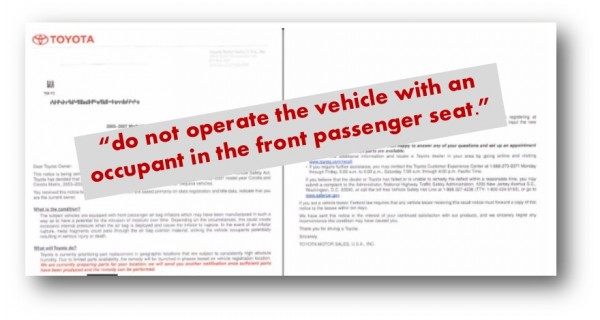
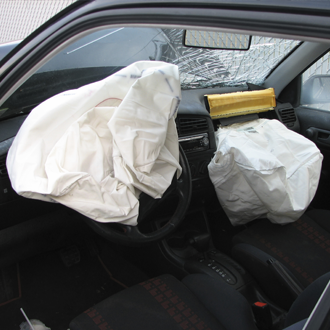
 The company, and impacted automakers, are making parts necessary to accomplish repairs available in regions of the country with humid climates first, because humidity has been said to increase the risk of air bag rupture. Connecticut residents, living in a region not known for its humidity, are not a priority for the repair, and continue to wait for word when repairs for their recalled vehicles can be made.