Three Connecticut Cities Among Nation’s Top 300 Fastest Growing Economies
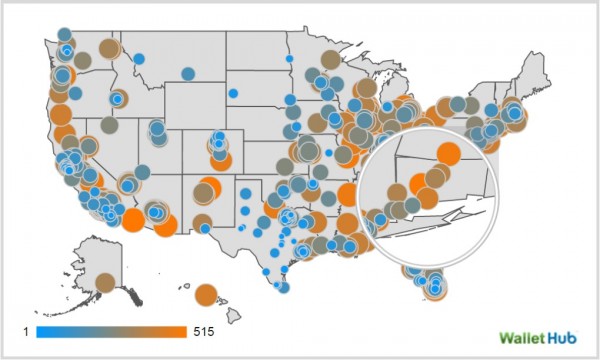
/Bridgeport is not only Connecticut’s largest city by population, it is the city which has expanded – in socioeconomic terms – more than any other in the state between 2008 and 2014, according to an analysis released by WalletHub.
Bridgeport ranked at number 230 nationally, one of three Connecticut communities – all in Fairfield County – that reached the top 300 across the country. The others are Stamford, ranked at number 265, and Norwalk, at number 293.
In 2014, the U.S. recorded its lowest population gain since the Great Depression. Growth stood at .73 percent, largely in contrast with the 5 percent of the 1990s, a period of prosperity, WalletHub pointed out. Demographer William H. Frey of the Brookings Institution attributed the decline to the economic downturn. Not only did the crisis deter job-seeking migrants from flocking to the U.S., but it also discouraged couples from having children, he noted. Meanwhile, population numbers shifted across states, creating short- and long-term effects on local economies, WalletHub indicated.
In order to identify the cities that have expanded most rapidly in socioeconomic terms between 2008 and 2014, WalletHub compared 515 U.S. cities of varying sizes across 10 key metrics, ranging from population growth to unemployment rate decrease.
The other Connecticut cities that ranked on the overall list of cities were New Britain (344), Danbury (355), Hartford (374), New Haven (425), and Waterbury (504).
Eleven of the twelve top-ranked cities – regardless of size - were all in Texas, led by Odessa, Frisco, Midland, Mission College Station, and Killeen. When the list was broken down by city population, Connecticut did not have a top-100 city in economic growth.
On the list of small cities, Norwalk ranked at 109, New Britain at number 129 and Danbury at number 132. Among mid-size cities, Bridgeport was ranked at number 110, Stamford ranked at number 123, Hartford was at number 187 and New Haven and Waterbury were at 212 and 239 respectively. Midsize cities are those with between 100,000 and 300,000 people; small cities have fewer than 100,000 people.
Large cities with the most growth were Austin, Miami, Fort Worth, Denver and Corpus Christi. At the bottom of the large city list were Mesa, St. Louis, Tucson, Cleveland and Detroit. Leading the list of mid-size cities were five Texas communities; on the list of small cities Texas had four of the five top-ranked communities exhibiting the most growth.
The factors considered included socio-demographic landscape (population growth, working-age population growth, and poverty rate decrease), and jobs and economic environment (median household income growth, unemployment rate decrease, job growth, ratio of full-time to part-time jobs, and growth of regional GNP per capita).
 Joan Fitzgerald, Professor of Public Policy and Urban Affairs at Northeastern University, told WalletHub: “It is not an accident that many of the fastest growing cities have thriving high tech and biotech sectors along with financial services and usually a strong health care sector. But another priority has to be balance. In many cities, manufacturing loses out over other uses.”
Added Boston University Professor of Economics Kevin Lang: “it is not so much that population growth encourages employment as that employment opportunities encourage population growth. Of course, this, in turn, creates further employment opportunities.”
Last month, the Bridgeport, Norwalk and Stamford metro area ranked second nationally among the top ten best places for female entrepreneurs, in an analysis by Nerdwallet, a personal finance information service geared toward helping consumers make informed financial decisions. That ranking analyzed the U.S. Census Bureau’s survey of business owners and data from the Small Business Administration to come up with the national rankings. The top ranked city for female entrepreneurs was Boulder. Joining Norwalk-Stamford-Bridgeport in the top five were Denver-Aurora-Lakewood, Santa Cruz -Watsonville, and Santa Rosa. Researchers found that seven of the top 10 metro areas for female business owners -- based on business climate, local economic health and financing opportunities -- are in California or Colorado.
The data sources used in the WalletHub analysis included the U.S. Census Bureau, Bureau of Labor Statistics and Bureau of Economic Analysis.

 sustainable lifestyle beverate brand for teens and tweens. The company's goal is to inspire young people to realize the power of consumer choices to effect social and environmental change.

 The five awards judges - Sherrell Dorsey of Uber and Triple Pundit, Adam Dotson of Ironwood Capital, Claire Leonardi, an advisor to reSET's Social Enterprise Investment Fund and former CEO of Connnecticut Innovations, Anthony Price of LootScout and Paul Witinski of Ironwood Capital - narrowed down more than 100 applicants to 12 honorees. The People’s Choice winner was selected via more than 1,800 online votes.


 The organization is driven by volunteers – food donors, food runners and partner agencies. One such agency in Connecticut is the Manchester Area Conference of Churches, which indicates there are 8,000 food-insecure people in the greater Manchester area.

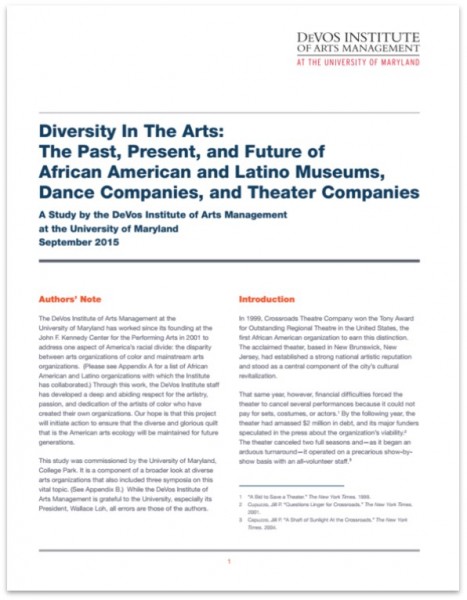
 A survey to which 29 of the 60 black and Latino arts groups in the study replied showed that the median percentage of donations coming from individuals was 5%. The norm is about 60% for big mainstream arts organizations. “This is the most important single statistic in the study,” the report says. Minority arts organizations also trailed when it came to box office receipts and other earned revenue. Earned money accounted for 40% of their revenue, compared with 59% for the big mainstream groups.

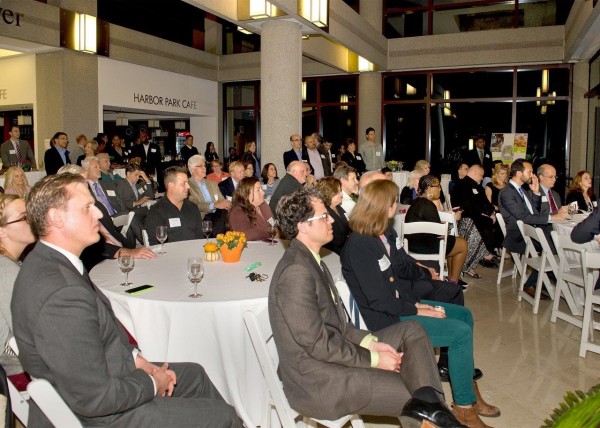 “I would like to congratulate all of the members of Stamford 2030 for joining together to make vital changes for our community," said Stamford Mayor David Martin. "The partners in Stamford 2030 have really stepped up for the success and sustainability of our city and the surrounding area. And they are not alone. For our part, the city is committed to improving storm resiliency and moving forward with the Energy Improvement District. We believe these efforts are tied to our economic development and ability to attract people to Stamford while conserving important natural resources, all necessary for sustained growth and prosperity.”








 k of Connecticut network.
 7 through 2006, and continues to consult. He has also served multiple terms as chairman of the NAB. Prior to founding NewCity Communications, he was president of Katz Broadcasting Co.