
Latino Vote Increasing Battleground in Connecticut, Nation
/If you wondered why the Governor of Puerto Rico and the former Governor of Puerto Rico both visited Connecticut in the waning days of the gubernatorial campaign to support the Democratic and Republican candidates, respectively, the numbers tell the story. Connecticut’s population is 14 percent Hispanic, the 11th largest Hispanic statewide population share nationally, according to data from the U.S. Census Bureau and the Pew Research Hispanic Trends Project. There are 265,000 Hispanic eligible voters in Connecticut—the 16th largest Hispanic statewide eligible voter population nationally.
Hispanic eligible voters in Connecticut have a much different Hispanic origin profile than Hispanic eligible voters nationwide, the research indicates. In Connecticut, 5 percent of Hispanic eligible voters are of Mexican origin, two-thirds (67 percent) are of Puerto Rican origin, and 28 percent claim other Hispanic origin. Among all Hispanic eligible voters nationwide, 59 percent are Mexican, 14 percent are Puerto Rican, and 27 percent are of some other Hispanic origin.

One-in-ten Connecticut eligible voters are Hispanic, the 10th largest Hispanic statewide eligible voter share nationally. (New Mexico ranks first with 40 percent.) Just over half of the Hispanics in Connecticut (52 percent) are eligible to vote, ranking Connecticut 12th nationwide in the share of the Hispanic population that is eligible to vote. By contrast, more than three-quarters (78 percent) of the state’s white population is eligible to vote.
A national exit poll taken last Tuesday in conjunction with NBC News, shows that Latinos made up an estimated 8 percent of voters this year. Specific data on Connecticut was not available. Nationwide, the share of Hispanics who voted remained unchanged from their estimated share in 2010 and 2006 despite the growing share of eligible voters (U.S. citizens ages 18 or older). This year, 11 percent of all eligible voters were Hispanic, up from 10.1 percent in 2010 and 8.6 percent in 2006.
In several states where exit polling data for Hispanic voters is available, according to Pew Research, Democrats generally won the Hispanic vote in Senate and gubernatorial races. But in some states, Republicans did well among Hispanics, securing as much as 40 percent or more of the vote. In congressional races nationally, Democrats won the Latino vote by a margin of 62 percent to 36 percent.
In Florida, Republican Gov. Rick Scott won re-election with 38 percent of the Latino vote, a significant drop from the 50 percent he won in 2010. In other gubernatorial races, including Texas and Georgia, the Democratic candidate won the Latino vote but lost the election. In California, Gov. Jerry Brown was re-elected, winning won 73 percent of the Latino vote according to exit polls, up from 64 percent four years ago.
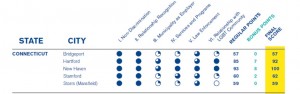
 with the Equality Federation, provide “a revealing snapshot of LGBT equality in municipalities of varying sizes, and from every state in the nation,” the report noted.
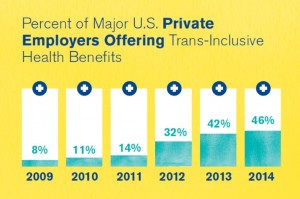 tive state laws.
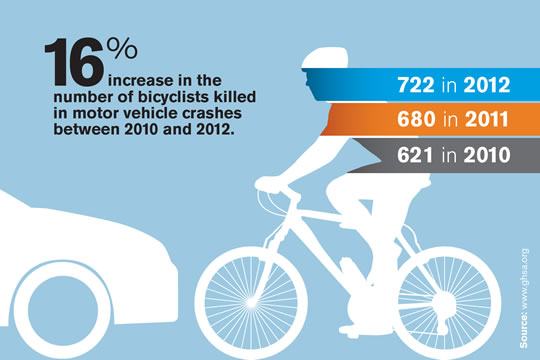
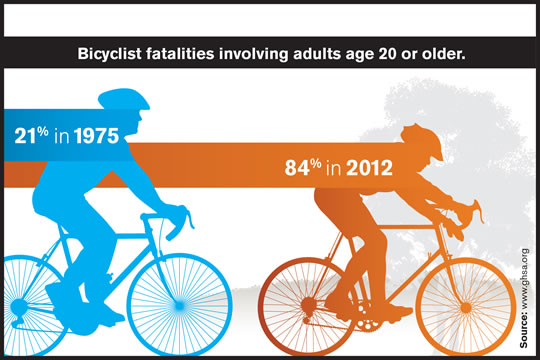
 The new GHSA report indicated that in many states and urban areas, engineering measures are being adopted to accommodate bicycles on the road, “with the dual aim of protecting cyclists from collisions with motor vehicles, while encouraging cycling for its health and environmental benefits.”




 ication sets out to “identify the most public-minded institutions,” utilizing the three criteria and a handful of specific measures in each.


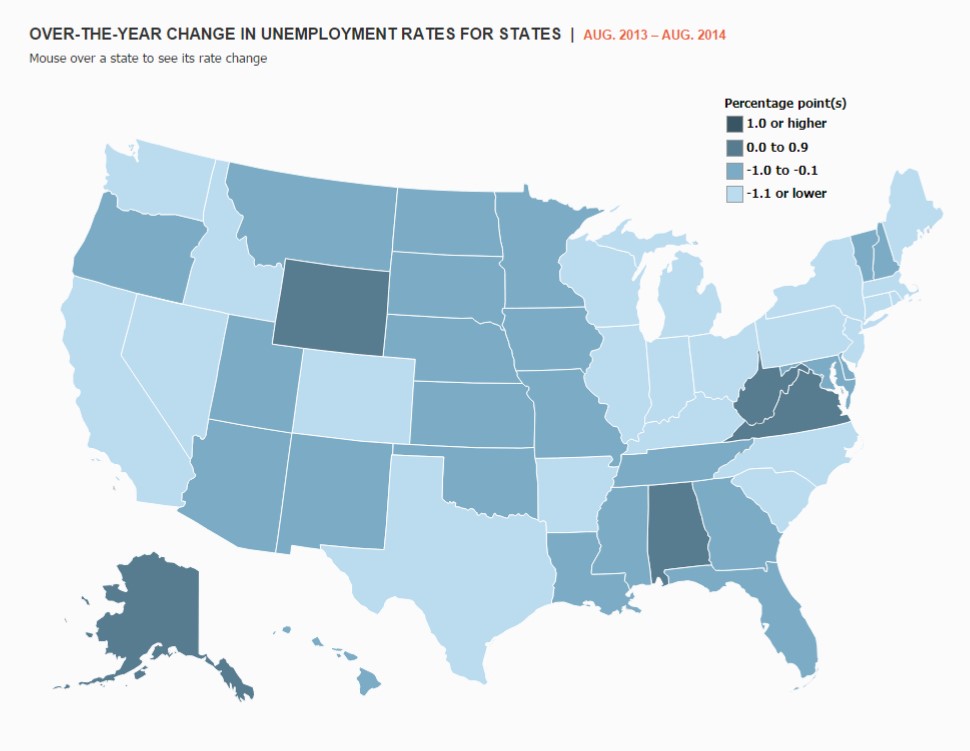
 nt), Michigan and Pennsylvania (1.6 percent). Also faring slightly better than Connecticut in reducing their state unemployment rate over the year were California, Idaho, New Hersey, Arkansas, Massachusetts, Washington, Kentucky and New York. North Carolina was tied with Connecticut.


 ber 1, 2013, to March 31, 2014, the federal government was the major funder of in-person assistance, providing over $2.5 million in funding to the program. The reported noted that “This level of funding is no longer available, yet, the need for assistance, both for the upcoming open enrollment period (November 15, 2014, to February 15, 2015) and beyond, is great.” Plans for continuing in-person assistance, offered at store-front facilities, are under consideration according to
 The breakdown showed Patriots dominance throughout New England and most of Connecticut – with the exception of Fairfield and New Haven counties, which remain Giants country.

 That’s just not reflected in the NFL map. The Cowboys come closest, but they’re not “