Connecticut Is Part of ESPN’s Strategic Focus on Corporate Citizenship Targeting Youth
/There’s a change at ESPN. The sports giant has launched a new citizenship strategy focused on using the power of sports for social good, and Connecticut is very much a part of the strategy. The launch includes a new name change (from Corporate Outreach to Corporate Citizenship), as well as a new website that highlights ESPN’s commitment to the community, www.ESPN.com/Citizenship, Ed Durso, ESPN’s Executive Vice President of Administration, in explaining the overall strategy, said ESPN has “a tremendous legacy of giving and as our brand and reach have grown, so too has our commitment to the community. We are now taking a more strategic approach that focuses on using sports to transform lives and uplift communities.”
Durso explained that ESPN will focus in five key areas:
- Access to Sports
- Leadership Through Sports
- The V Foundation
- Good Neighbor grants
- Sustainability
He noted that “ESPN can offer meaningful help to many in need. For example, it may be surprising to some, but youth sports participation in the U.S. has been on the decline since 2008. The decline is due to many factors and the problem is especially prevalent in underserved communities.
This is worrisome because sports is so important to development.”
 “Studies show that kids who are physically active have higher test scores, are more likely to go to college, and smoke and drink less,” he added. ”Sports can also help build life skills, including enhancing self-esteem, unifying teams and driving social inclusion. By driving support to entities enhancing access to sports, we can help.”
Earlier this year, ESPN announced it would team up with the National Recreation and Park Association (NRPA) to award grants to seven local park and recreation departments in the U.S. that improve and expand their youth sports programs, especially in underserved communities. The $150,000 grant would be targeted to purchase needed equipment, make improvements in facilities and help local parks expand their programs to give more children the opportunity to participate in community-based sports.
The communities receiving grants included Hartford, Los Angeles, Charlotte, Coral Gables, New York City and Austin. In Hartford, the parks department set out to introduce 1,000 kids, ages 3-6 years, to the sport of soccer throughout the winter at inside recreation centers, with the objective of launching the "Litter Soccer Stars" league this spring, according to ESPN.
“We believe that everyone should have the opportunity to play sports and be able to take advantage of its many benefits. ESPN is working with nonprofits to develop sports curriculum, distribute sports equipment and create safe spaces to play sports. We’re also finding ways to foster physical development, leadership and life skills through sports. We’re working with others who share this vision, and together hope to make sports more accessible, especially to those in underserved communities,” Durso explained.
A 2014 study from the University of Kansas suggests that if students are given a compelling reason to come to school—even if that reason has nothing to do with academics – they will. University of Kansas’s Angela Lumpkin and Rebecca Achen analyzed high-school testing, graduation, and attendance data and found that Kansas’s student athletes go to school more often than non-athletes. They also have higher graduation rates: 98 percent of athletes in Kansas’s class of 2012 graduated, compared with 90 percent of non-athletes.
An article published in The Atlantic pointed out “The higher graduation rates could be explained away by the theory that teachers have lower standards for athletes—that they’re willing to let athletes pass without doing all the work. But state test data challenges that theory: Athletes also score high er on the Kansas state assessments than non-athletes, in all subject areas. They are clearly learning something in their classes.”
ESPN has also included 32 colleges and universities across the country in a new initiative with the legendary Tribeca Film Institute for budding filmmakers. Connecticut’s Quinnipiac University, University of Hartford, and Connecticut College are among the eligible institutions. The TFI/ESPN Future Filmmaker Prize will award three graduate level media makers devoted to creating short-form documentaries highlighting the exceptionally creative work of an athletic community or organization that is working towards solving social issues in the United States or around the world. Submissions opened May 5 and close July 5.
The prize aims to support the next generation of filmmakers in producing creative, story-driven films that highlight issues of social importance through the lens of sports, athletics and or competition with a $25,000 production grant.
Recipients will also receive professional guidance and mentorship from TFI staff and select media professionals. Along with the monetary grant, the three filmmaking teams will participate in a two-day workshop in the fall with activities tailored to their needs and culminating with an industry showcase to both celebrate their work and introduce them to the filmmaking community at large.
The workshop will include pitch training, story structure lectures, footage critiques, master classes led by industry leaders and one-on-one meetings with industry professionals and nonprofit athletic institutions. Also, each grantee will be paired with a current or former Tribeca Film Fellow. They will work closely together throughout all aspects of the filmmaking process from production to editing.
 The July event is part of a year-long effort to listen, learn, and share with older adults, their families, their caregivers, community leaders, and experts in the aging field on how to best address the changing landscape of aging in the coming decade, officials said. Since the 1960’s the
 ment; how to remain healthy as we age; what types of services and supports can help older Americans remain independent in the community as we age; and how to support this care and the caregivers who provided it; and how to protect older Americans from financial exploitation, abuse and neglect.

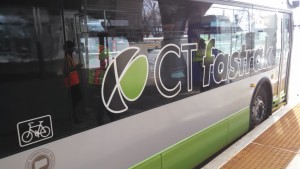 For the first time in the history of the awards program, a state agency was also selected to receive an award. The CT Department of Transportation received a special award for Starting a Revolution: Integration of Land Use and Transit in recognition of the progressive nature of CTfastrak, the bus rapid transit system opened earlier this year. The awards jury that selected the winners gave the award because they felt the new busway represents a cultural shift in how Connecticut views transit, and wanted to acknowledge the future promise of transit oriented development that will hopefully result around the station locations.


 mework, or take an elderly parent to a doctor’s appointment.” In half of all families with children, women are the primary or co-breadwinner, the report indicates, and low-income families are particularly likely to have all parents in the labor force.
 The analysis pointed out that nationally “many workers lack access to even the most basic supports such as earned sick days and job-protected paid parental leave. Quality child care is also out of reach for many families because it is not affordable. Women are the large majority of family caregivers, and in the absence of reliable family supports, too many women are forced to make difficult decisions between keeping their jobs and caring for their family members.”
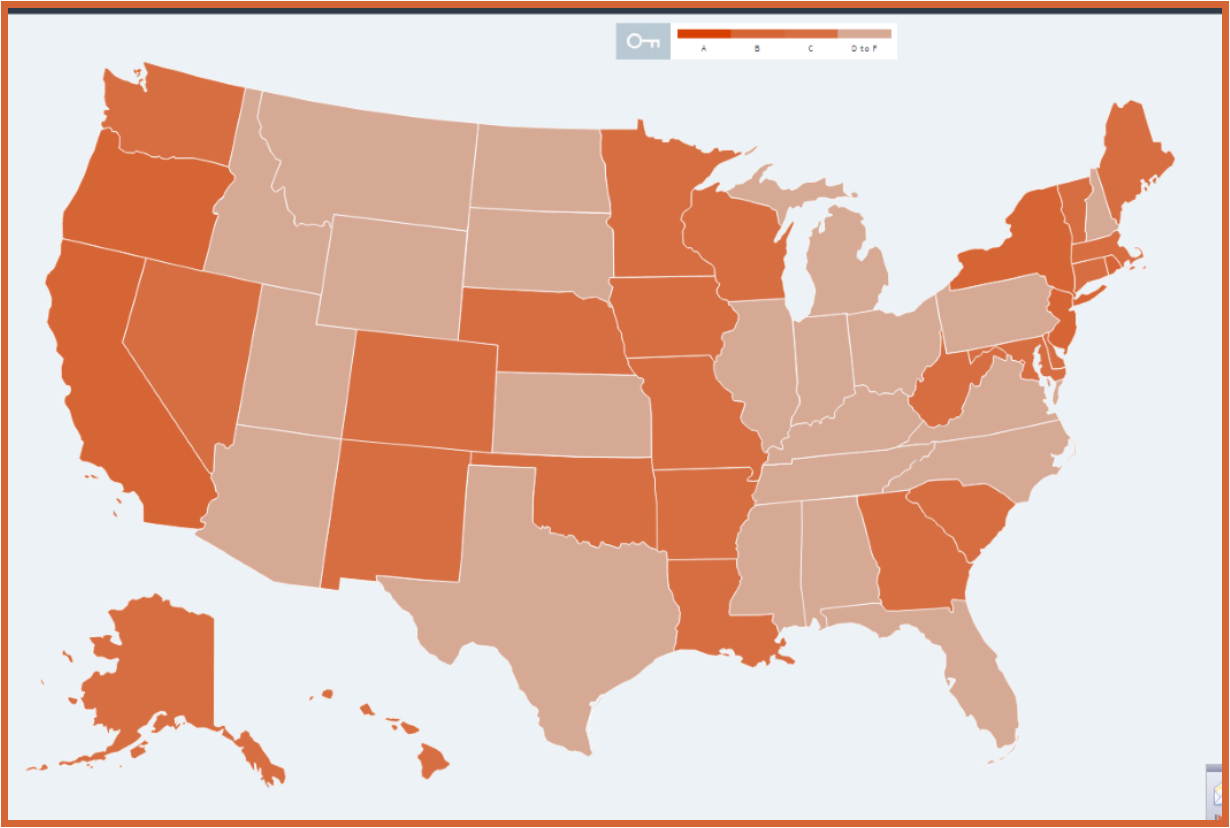 (U.S. Department of Labor Women’s Bureau 2015). The report indicates that Connecticut has 392,974 “breadwinner mothers in households with children under 18,” using 2013 data, ranking the state 25th in the nation at 29 percent.
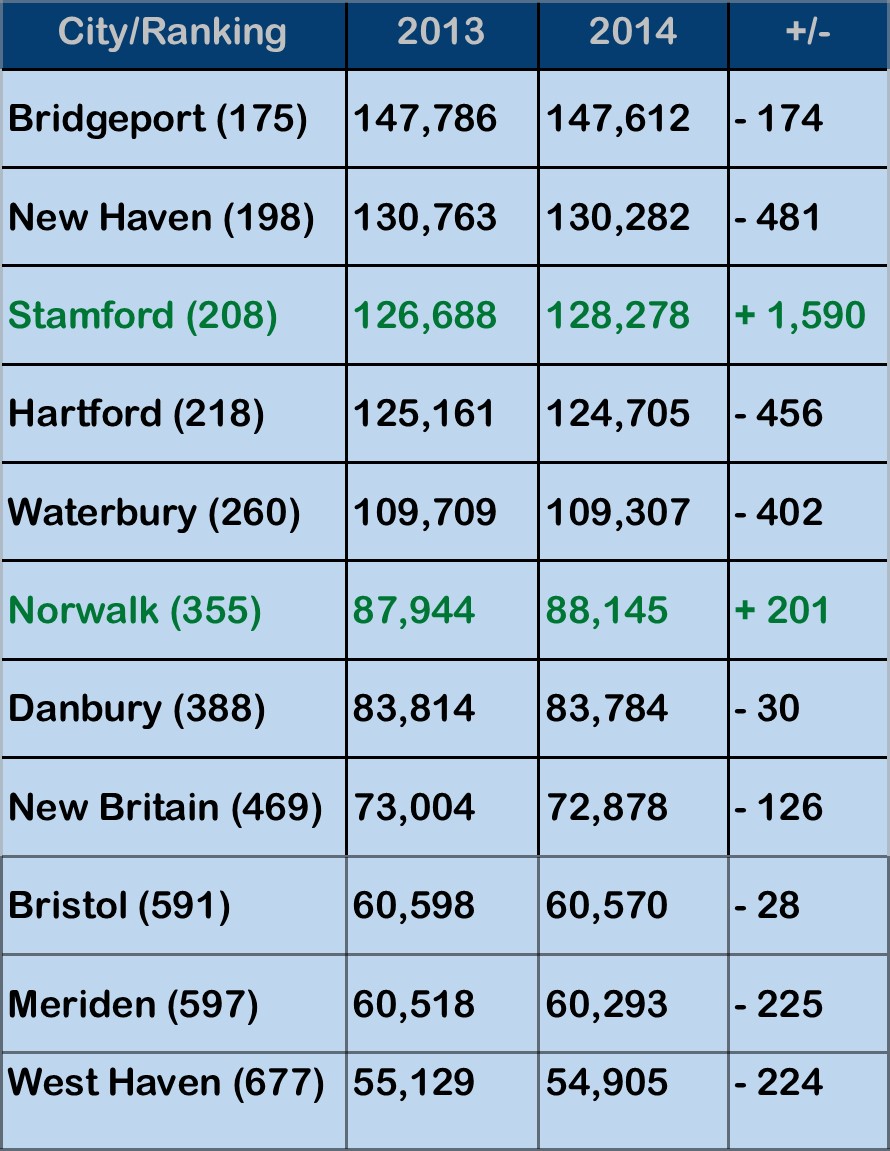 Over the past four years, population also grew in Hartford, New Haven, Stamford, Danbury and Norwalk, but declined in some of the state’s other large municipalities, including Waterbury, New Britain, Meriden and West Haven.
 wed the gap between the two cities to 2,004. Just four years ago, the population differential was 7,075. Stamford passed Hartford to rank as the state’s third largest city three years ago.
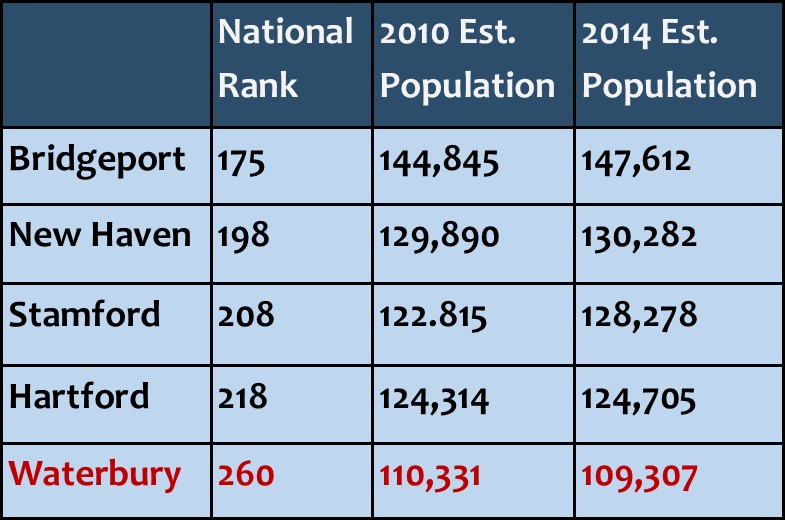 according to the census data, while Bristol (number 591) saw a slight uptick of just under 100 residents, from 60,477 to a 60,570. Meriden (number 597) saw population slip from 60,868 to 60,293. West Haven, the 677th most populous city in the nation, also experienced a drop in populations, from 55,565 to 54,905.
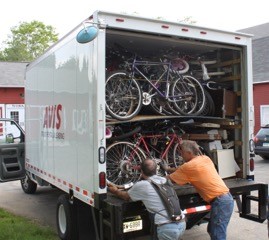 The organization also accepts
 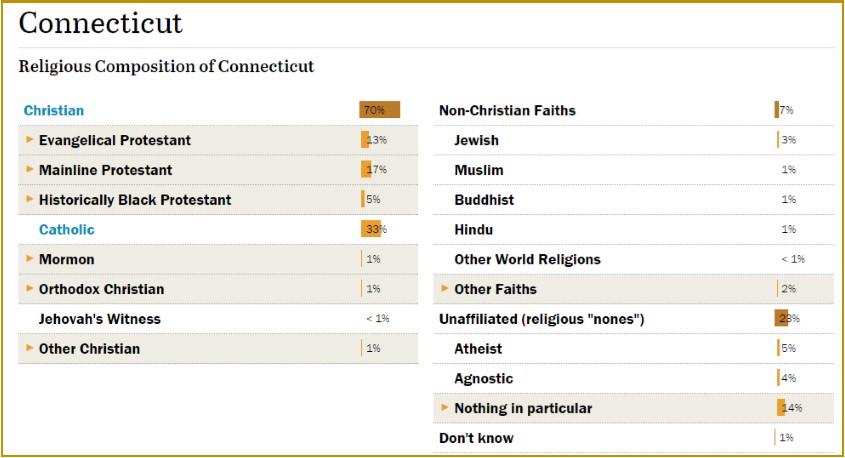 While the drop in Christian affiliation is particularly pronounced among young adults nationwide, it is occurring among Americans of all ages. The same trends are seen among whites, blacks and Latinos; among both college graduates and adults with only a high school education; and among women as well as men, according to the Pew data.




 Of a maximum five stars in the CEO ratings, Connecticut received 1.5 for Taxation and Regulations, 3.0 for Workforce Quality and 3.0 for Living Environment. The