
Smith, Johnson and Brown are Connecticut’s Most Popular Last Names
/The top surname in Connecticut and the United States is Smith. The next most popular are Johnson and Brown. Brown is most common in California, Nevada and the Northeast, and ranks 4th nationally, according to data compiled from the Social Security Administration by the website MooseRoots.
Williams is 6th in Connecticut, but the third most popular in the nation. Jones is 7th in Connecticut and 5th ranked nationally. Miller, which is most popular in the Pacific Northwest and across the Rust Belt, ranks 6th in the nation but 5th in Connecticut.

The website points out that “baby name trends can change wildly from generation to generation, but last names tend to stick around. Still, immigration, birth rates and geography can all have an effect on the overall ranking, which can shift from decade to decade.”
Smith’s popularity is unmatched: the name is the most prevalent in a majority of US states, only slightly less popular in New Mexico and some northern states. Johnson’s US popularity can be split into three regions: less popular in the East, more popular in the West, and especially popular in the North, according to the website’s analysis. Most popular in the Southeast, Williams is notable for being more evenly split between whites and blacks.
While Davis is a predominantly white name, nearly one third of Americans with the name identify as black. Davis ranks 7th nationally, and 9th in Connecticut. The Nutmeg State’s 4th most popular last name is Anderson, which ranks at #12 in the U.S. Anderson is described as “a distinctly northern name, most popular among states like Montana, North Dakota, So uth Dakota, Wisconsin, and Minnesota, where it ranks 2nd. Anderson also ranks high in Massachusetts and Rhode Island, at #6.
The top Hispanic surname nationally is Garcia, ranked at #8. In Connecticut, Garcia ranks #317 among last names of state residents, according to the data. It is directly followed by Rodriguez, ranking #9 in the U.S. and #114 in Connecticut. Over 90 percent of individuals with a last name of Rodriguez identify as Hispanic. The name is most popular in large states such as New York and Florida, as well as across the entire Southwest.
 The #10 surname in the U.S. is Wilson, which is described as having “a checkerboard-like popularity across the United States.” In Connecticut, Wilson ranks as the 13th most popular last name.
In Connecticut, the 11th most popular last name is White, which ranks #20 among the nation’s population. While White is predominantly a Caucasian surname, the website points out, it is still reasonably common among blacks. Geographically, the name is most popular in the Northeast, particularly among the New England states. White ranks as #6 in Maine and New Hampshire, #8 in Vermont, #7 in Massachusetts and #10 in New York The only other states where White is a top-10 surname are Missouri (#10) and West Virginia (#9). In addition to Connecticut, White ranks at #11 in Mississippi.
The MooseRoots website “combines historical records with relevant supporting information to provide unique insights into your family's past.” It is operated by FindTheBest, a technology company focused on collecting and interpreting data.









 Fixed route transportation operates along a prescribed route and on a fixed schedule, and includes buses and light rail. In 2014 in Connecticut, buses provided over 43 million passenger trips and rail provided over 39 million passenger trips. Demand-responsive transportation provides routes and scheduling more individually tailored to the needs of the user. The Americans with Disabilities Act (ADA) requires transit agencies to provide paratransit service, subject to certain parameters, to people with disabilities who cannot use the fixed route services. Paratransit ridership in Connecticut in fiscal year 2014 under the ADA totaled over one million rides, and dial-a-ride ridership neared 100,000 rides.
 ommunities are located within a reasonable distance of quality, dependable public transportation.” In addition, policy makers were urged to “identify funding streams to sustain, coordinate, grow and make more convenient both fixed route and demand-responsive transportation options (including providing door-to-door service), and provide technical assistance to support regionalization efforts.”

 “Studies show that kids who are physically active have higher test scores, are more likely to go to college, and smoke and drink less,” he added. ”Sports can also help build life skills, including enhancing self-esteem, unifying teams and driving social inclusion. By driving support to entities enhancing access to sports, we can help.”
 er on the Kansas state assessments than non-athletes, in all subject areas. They are clearly learning something in their classes.”
 will also receive professional guidance and mentorship from TFI staff and select media professionals. Along with the monetary grant, the three filmmaking teams will participate in a two-day workshop in the fall with activities tailored to their needs and culminating with an industry showcase to both celebrate their work and introduce them to the filmmaking community at large.
 The July event is part of a year-long effort to listen, learn, and share with older adults, their families, their caregivers, community leaders, and experts in the aging field on how to best address the changing landscape of aging in the coming decade, officials said. Since the 1960’s the

 ment; how to remain healthy as we age; what types of services and supports can help older Americans remain independent in the community as we age; and how to support this care and the caregivers who provided it; and how to protect older Americans from financial exploitation, abuse and neglect.


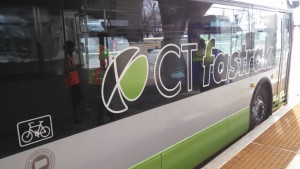 For the first time in the history of the awards program, a state agency was also selected to receive an award. The CT Department of Transportation received a special award for Starting a Revolution: Integration of Land Use and Transit in recognition of the progressive nature of CTfastrak, the bus rapid transit system opened earlier this year. The awards jury that selected the winners gave the award because they felt the new busway represents a cultural shift in how Connecticut views transit, and wanted to acknowledge the future promise of transit oriented development that will hopefully result around the station locations.


 mework, or take an elderly parent to a doctor’s appointment.” In half of all families with children, women are the primary or co-breadwinner, the report indicates, and low-income families are particularly likely to have all parents in the labor force.

 The analysis pointed out that nationally “many workers lack access to even the most basic supports such as earned sick days and job-protected paid parental leave. Quality child care is also out of reach for many families because it is not affordable. Women are the large majority of family caregivers, and in the absence of reliable family supports, too many women are forced to make difficult decisions between keeping their jobs and caring for their family members.”
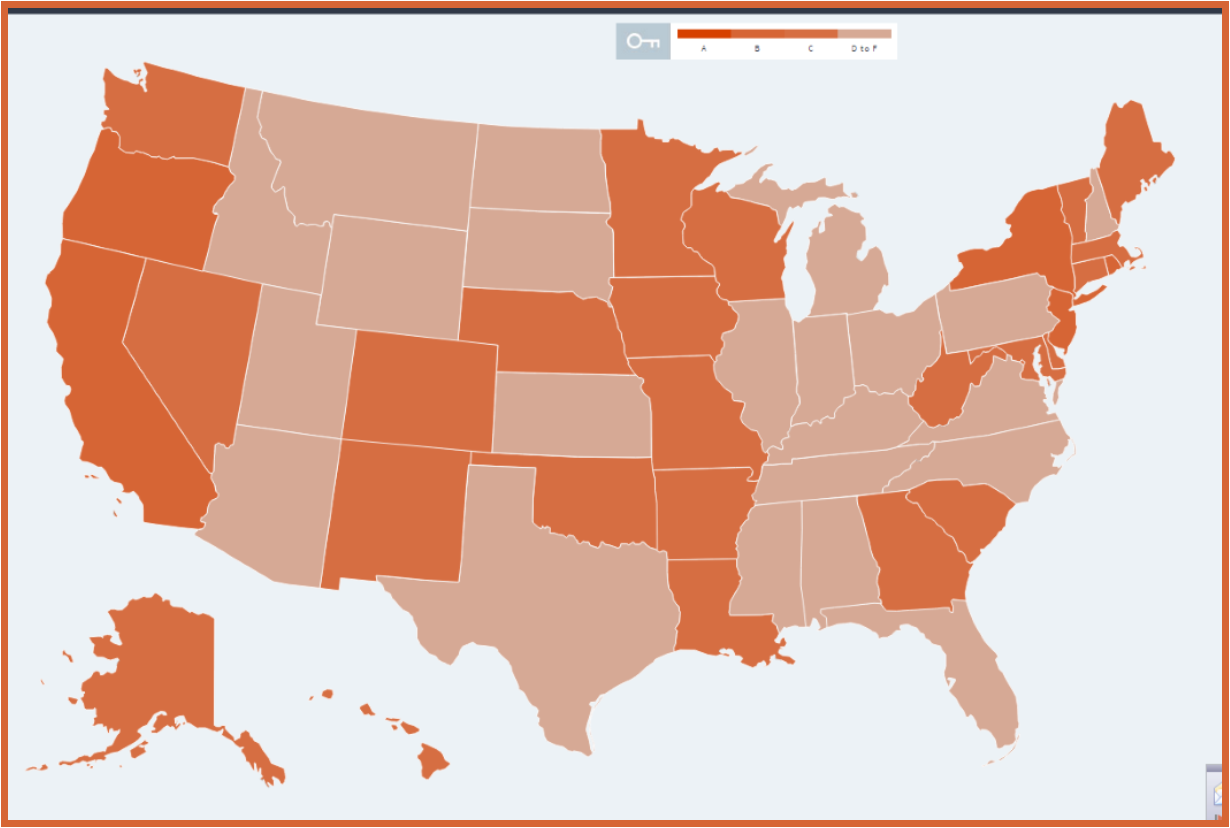 (U.S. Department of Labor Women’s Bureau 2015). The report indicates that Connecticut has 392,974 “breadwinner mothers in households with children under 18,” using 2013 data, ranking the state 25th in the nation at 29 percent.
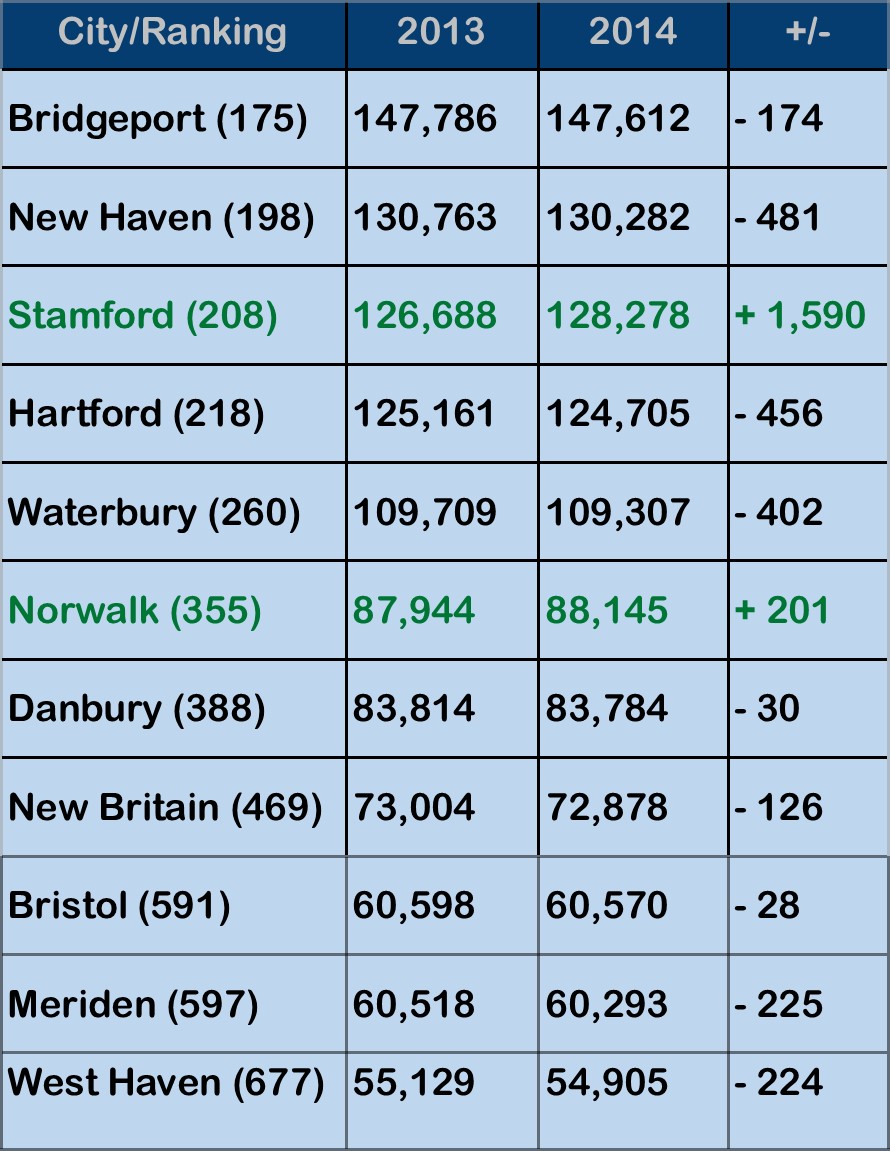 Over the past four years, population also grew in Hartford, New Haven, Stamford, Danbury and Norwalk, but declined in some of the state’s other large municipalities, including Waterbury, New Britain, Meriden and West Haven.
 wed the gap between the two cities to 2,004. Just four years ago, the population differential was 7,075. Stamford passed Hartford to rank as the state’s third largest city three years ago.
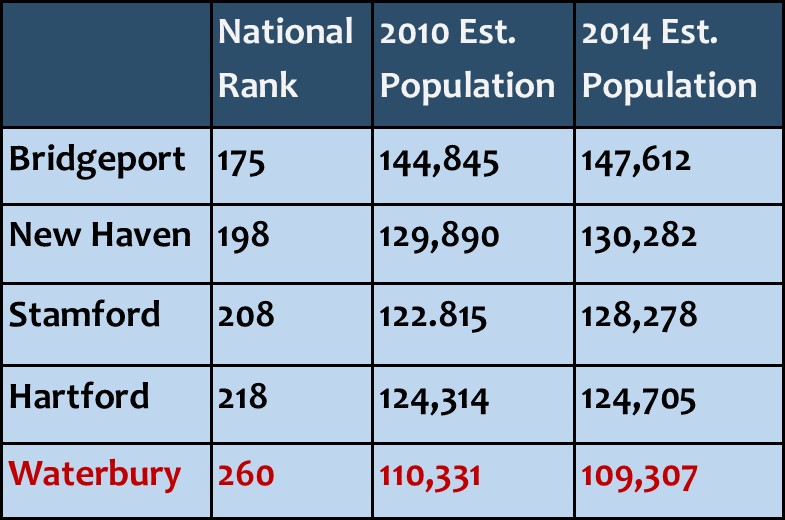 according to the census data, while Bristol (number 591) saw a slight uptick of just under 100 residents, from 60,477 to a 60,570. Meriden (number 597) saw population slip from 60,868 to 60,293. West Haven, the 677th most populous city in the nation, also experienced a drop in populations, from 55,565 to 54,905.

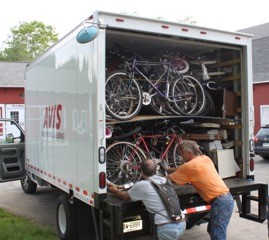 The organization also accepts