Survey Says: Increase Consumer Protections, Limit Marketing of Alternative Electric Companies
/
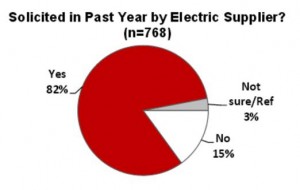
Too much. That’s the opinion of Connecticut residents age 50 plus when it comes to the steady barrage of marketing by alternative electricity companies, according to a new survey by AARP Connecticut. The survey found that 82 percent of electricity customers age 50 and older had been solicited in the past 12 months by an electric supplier – and that a significant 25 percent of the customers had changed electric suppliers during the year.
There was also a clear mandate to reign in the marketing. Nearly three out of four people would prefer that companies be limited to marketing to consumers only once a year.
A robust 88 percent expressed concern about the increasing costs of electricity. However, most cite loyalty with their current supplier (35%), or not finding alternative suppliers with more competitive rates (21%) as reasons they chose not to switch carriers. Sixteen percent cited negative perceptions or concerns about alternative suppliers, such as bad reputations (6%), being untrustworthy (4%), having variable rates (4%) or being bound by contracts (2%).
The marketing takes many forms. The majority of customers said they have received offers from alternative suppliers through the mail (74%) and by phone (58%). Additionally, a considerable number (13%) say representatives have knocked on their door at home. The marketing tactics have generated strong support among those over 50 for limits:
- 84 percent support requiring sales staff to wear badges to identify themselves and their company
- 65 percent support requiring sales staff to tell consumers they have seven days in which they can terminate their contract
- 64 percent support requiring sales staff to provide written terms of sales agreements while on-site.
AARP Connecticut pointed out that a study by Connecticut’s Office of Consumer Counsel found that nine out of ten customers who switched to a third party supplier in CL&P’s territory and seven out of ten customers in UI’s territory were paying more than standard rages during the study period. The overpayments, according to AARP, totaled about $13.7 million per month –“money that residents, especially older adults on fixed incomes, could be spending on basic necessities like groceries and medication,” AARP noted.
Ninety percent of those surveyed supported proposals to protect consumers by requiring suppliers to disclose all costs associated with their prices, including early termination fees and minimum monthly charges, and 85 percent supported requiring suppliers who offer variable rate contracts to provide specific comparison information.
“It’s clear from these survey results, and from the stories our members have shared with us, that electric customers don’t feel like they’re getting a fair shake,” said AARP Connecticut Advocacy Director, John Erlingheuser. “They’re fed up with high electric rates, with the constant marketing and questionable practices of third-party suppliers, and with the lack of oversight and enforcement by state regulators. They want their elected officials to do more to help lower rates and ensure adequate consumer protections are in place in the alternative electric supply market.”
Among those surveyed, 77 percent were CL&P customers, and 16 percent were United Illuminating customers. The survey pointed out to respondents that consumer electric bills are divided into two major sections: delivery and generation supply. CL&P and United Illuminating are the primary delivery companies in Connecticut. Since 2000, the supply portion of the bill has been deregulated, “meaning that independent companies, known as ‘electric suppliers,’ can compete to sell or supply you electricity.” CL&P and UI continue to supply as well as deliver to consumers, but under deregulation, electric supply can be provided by other companies. The deregulation plan was adopted by state government in an effort to reduce prices through a competitive marketplace.
Testifying at the state legislature last month, AARP Connecticut indicated that an array of unscrupulous marketing practices are luring consumers – especially those over age 50 - with seemingly attractive offers, only to have consumers receive bills charging rates often well in excess those that consumers had been paying previously. They outlined a series of reforms that would better protect consumers.
In testimony before the Energy & Technology Committee, AARP Connecticut stated “What proponents of deregulation failed to recognize that markets require supervision, consumer protections, and proper enforcement. Some marketers have turned to means to capture customer interest and agreement that have resulted in complaints, misrepresentation of prices, the use of variable rates that are not predictable or even plainly stated, teaser rates, the renewal of fixed rate contracts into variable rate contracts without affirmative customer consent, and a host of telemarketing and door to door activities that confuse customers and take advantage of their lack of education and understanding of the terms being proposed to them in a hard sell marketing technique.”
Connecticut's Public Utilities Regulatory Authority (PURA) held a series of public hearings in February to solicit public comment in its ongoing investigation of the electric supplier market in Connecticut. The agency provides a list of electric suppliers and aggregators on its website. Earlier this month, Attorney General George Jepson and State Consumer Counsel Elin Katz called for enhanced consumer protections, CT Watchdog reported.
AARP Connecticut commissioned a telephone survey of 800 Connecticut residents age 50 and older to learn about their opinions on electric utility marketing and regulations. The interviews took place between March 11 and March 16, and the data was weighted to reflect the Connecticut population age 50 and older. The survey has a margin of error of plus or minus 3.5 percent.
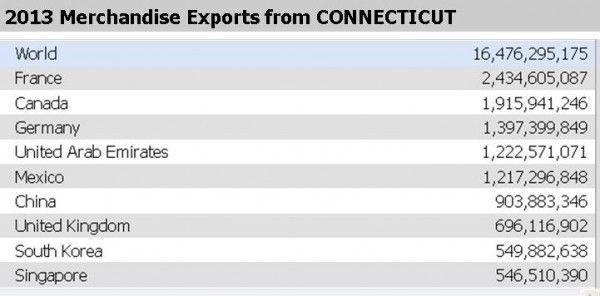
 Overall, the European Union was Connecticut’s largest export market, with average exports (2011-2013) totaling $6 billion annually, the agency’s report noted.
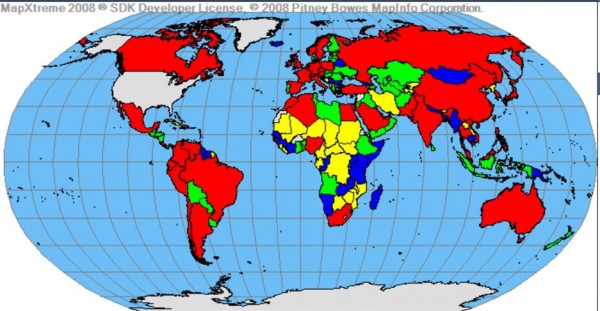 agreements in force with 20 countries, which account for $5.0 billion (30 percent) of Connecticut’s exports. During the past 10 years, exports from Connecticut to these markets grew by 69 percent, with NAFTA, Korea, Singapore, Colombia, and Israel showing the largest dollar growth during this period, the agency reported.
 elphia, and will meet next month in Houston.
 ent, New London 29 percent, Cornwall, 27 percent, Norwich 23 percent, Meriden 22 percent, East Hartford and Preston, both at 21 percent, Stamford and Kent, both at 13 percent, and Danbury 12 percent.
 92 and 2014. The report, “Introducing the Children’s Budget,” is available on the Connecticut Voices for Children website at www.ctvoices.org
 vation of Place grant program provides a source of funding for new initiatives that can be integrated into, and leverage, comprehensive Main Street preservation and revitalization programs. The funds are meant to be flexible to meet individual community need.
 of Place grant program to twenty Connecticut communities, leveraging $842,727 in local Main Street initiatives. The program receives support from the State Historic Preservation Office with funds from the Community Investment Act.
 rom the Beer Institute and the Alcohol and Tobacco tax and Trade Bureau. There were 3,699 permitted breweries in the United States last year, about 34 percent more than the previous year.
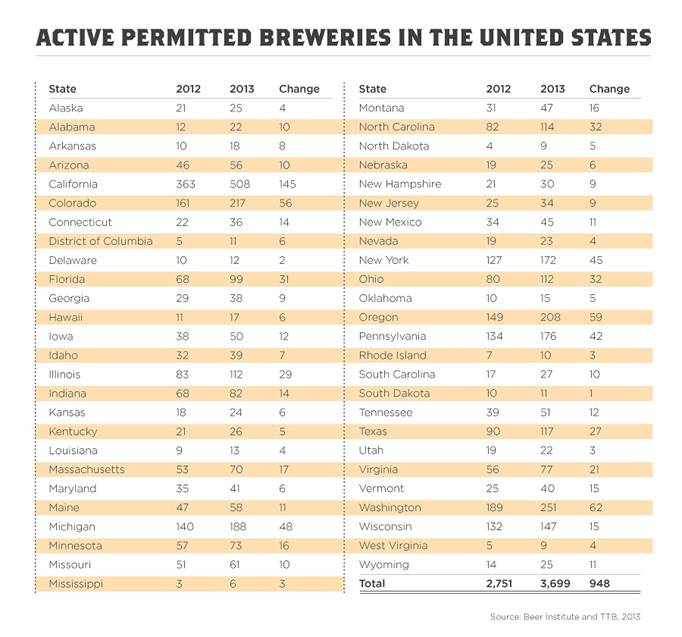 he comparative survey, permitted breweries refer to manufacturers that have completed the appropriate paperwork and obtained the necessary permits to operate, though they may not be fully operational yet, according to Bloomberg.com .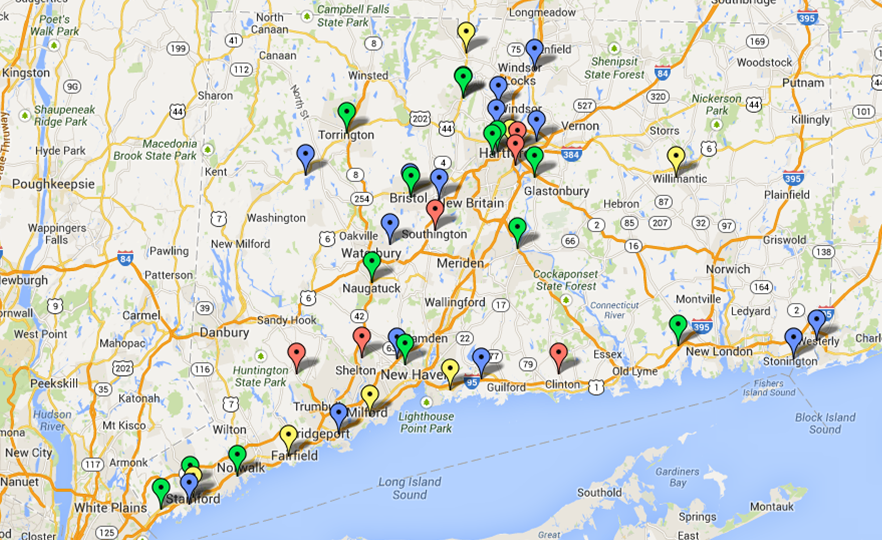
 an estimated
  as new spending from tax revenues. The other study says that tobacco taxes offer a how-to road map for policy makers.
 ished this month, researchers ran a simulation of the impact of 20-percent soda tax in Illinois and California—selected for regional differences—and found slight employment increases would occur, but the net effect would be close to nothing. They found that people choose to spend their money on other things, not to forego spending entirely, and that employment gains in other sectors of the economy far outweigh the job losses for soda makers, National Journal reported.

 luding plug-in hybrids – and the other will go to the dealer who sells or leases the most EVs as a percentage of total sales during the period.
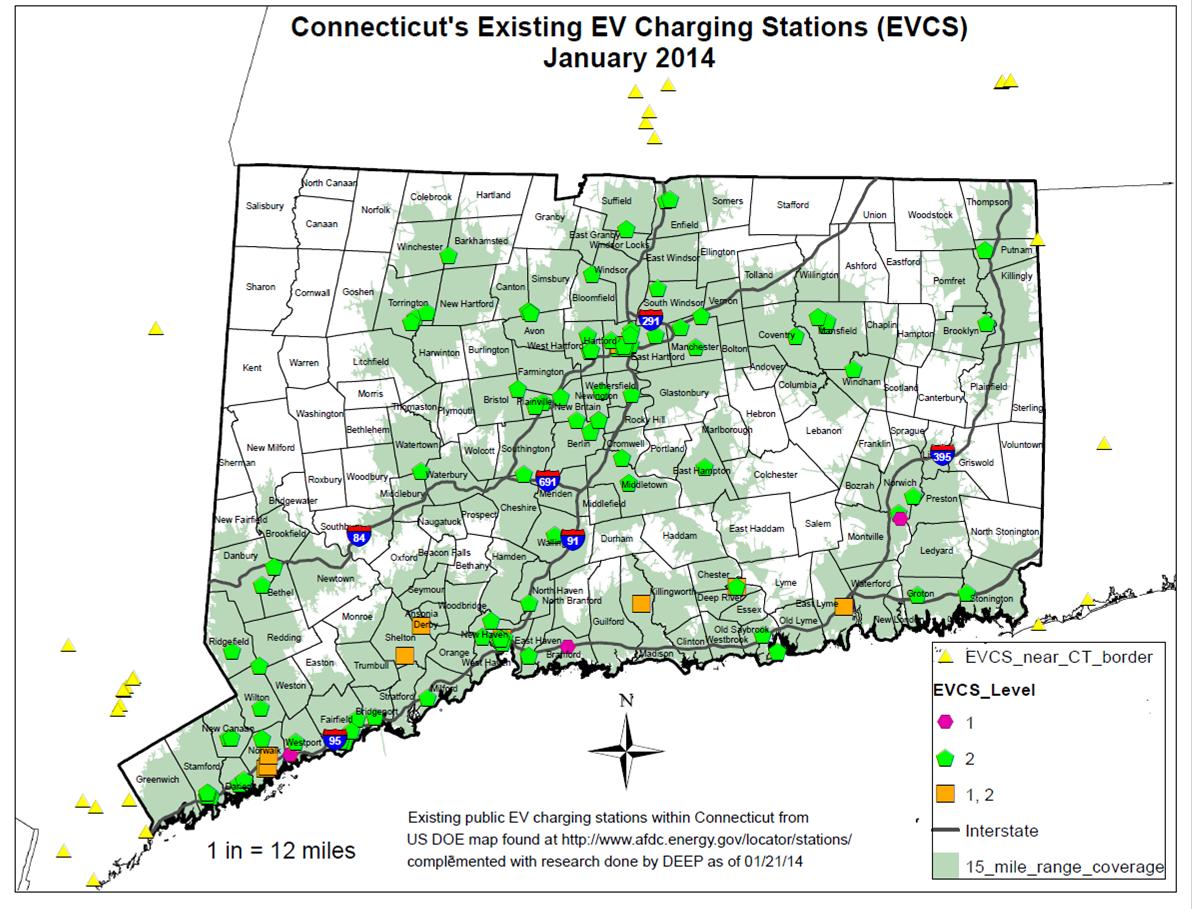 al Protection provides an
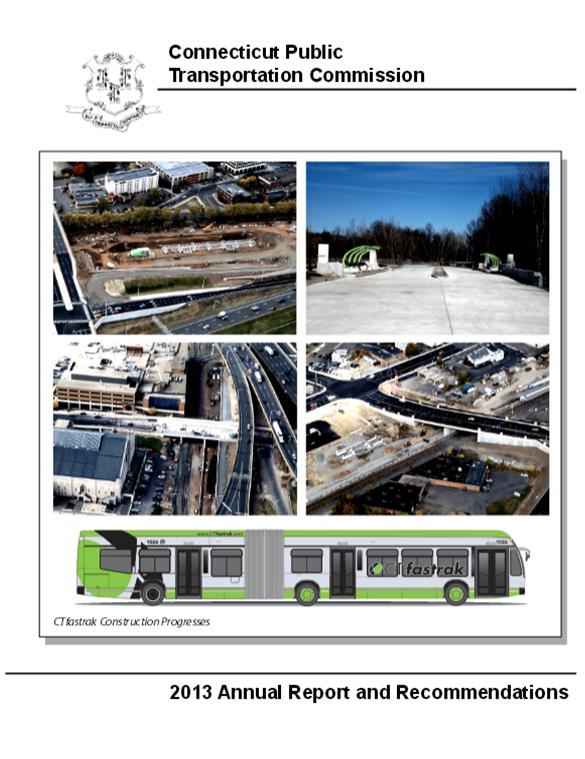 ses running this service are frequently at or above capacity with some occurrences where riders must be turned away. “At a minimum,” the report recommends, “additional investment of state funds would be required to support additional buses to provide a consistent level of services and improve service quality.”
 st Century? Join the
  ker series focused on the first-hand perspectives of leaders making a mark in business and the community. The next event at
  hrive? The Lyceum, Hartford
 7 - An Honest Look at Mental Illness, Connecticut Forum, The Bushnell
 ity to learn about the benefits of collaboration which save money and leverage the purchases and agreements for towns. The event will highlight people that are already implementing positive changes. Panel discussions, workshops and Q&A with key leaders and a panel of experts.