Investor Opportunities in Mobile Technology, Consumer Products Focus of Back-to-Back Conferences
/
It is described as “the Biggest and Most Disruptive Platform in Human History,” by William Davidson, Senior Vice President of Qualcomm. Davidson will be the keynote speaker Wednesday in New Haven at “Connecticut Mobile Summit – Exploring Mobile Venture Opportunities and Challenges.” Connecticut’s top mobile industry executives will be meeting to discuss how to accelerate mobile adoption, engagement and monetization, according to conference organizers.
Conference officials note that “penetration of smart phones into the workplace has been persistent since the iPhone launch in June of 2007. More recently, tablets have supplanted PCs as productivity boosters.” The Connecticut Mobile Summit is designed to help educate Connecticut’s investment and technology communities in mobile venture opportunities and challenges.
 In addition to Davidson, expert panelists participating include Carissa Ganelli, Founder & CEO, LightningBuy; Drue Hontz, Founder & President, KAZARK, Inc.; John Nobile, Founder & President, Tangen Biosciences; and Nadav Ullman, Founder & CEO, Dashride.
“In three to five years any enterprise that has not implemented mobility solutions for its customers, employees, and suppliers will be leapfrogged, disintermediated, or go bankrupt. Connecticut cannot afford to be behind this curve,” observed event moderator, Brenda Lewis, Principal of Transactions Marketing, Inc.
Davidson is senior vice preside nt of strategy and operations for Global Market Development in Qualcomm Technologies, Inc. In this role, he handles reporting and operations as well as executing on strategic global business initiatives. In addition, Davidson is senior vice president of investor relations where he serves as the primary liaison with the investment community and Qualcomm shareholders. Davidson has more than 25 years of experience in technical sales, marketing and general management roles in the telecommunications industry.
The half-day conference is being presented by the Connecticut Technology Council, Crossroads Venture Group and AT&T. The event is supported by Mea Mobile.
Opening remarks will come from Bruce Carlson, Acting CEO & President of the Connecticut Technology Council, Liddy Karter, Executive Director of Crossroads Venture Group, and Claire Leonardi, CEO of the recently re-branded Connecticut Innovations. The event is $40 for members of the Connecticut Technology Council and Crossroads Venture Group, $50 for non-members.
The following day, the Northeast Consumer Product Conference will be held in Stamford, with the Connecticut Technology Council and Crossroads Venture Group joined by the Connecticut chapter of the Association for Corporate Growth (ACG) as sponsors. The conference is described as the Northeast’s largest ‘mergers and acquisitions’ conference focused on early state and middle market consumer-facing companies. It brings together operators, buyers, investors, and transaction professionals to discuss the challenges and opportunities within consumer industries.
The Stamford conference will include expert-led panels reviewing the state of the capital markets and share strategies for consumer marketing in a digital world, for both early and late stage firms.
Keynote presentation will be from Mike McMahon, President, Spire, a Datalogix company. Panelists for a session on “Raising Capital in Today's Environment,” to be moderated by Ramsey Goodrich, Managing Director, Carter Morse & Mathias, include Richard Baum, Managing Partner, Consumer Growth, Partners; Christopher Bradley, Principal, Mistral Equity Partners; and Tom Hayes, Ma naging Partner & Principal, New England Consulting Group.
ACG CT President Karin (McKittrick) Kovacic said, “This conference brings together owners and managers with investors and transaction professionals to discuss the challenges and opportunities within the consumer products sectors.”
The Connecticut Chapter of ACG is one of the fastest growing ACG chapters in the country, with close to 300 local professionals focused on middle-market corporate growth (i.e.: mergers and acquisitions, financing opportunities, business development, joint ventures, licensing arrangements, etc.), including a diverse group of private equity funds, intermediaries, lenders, and service providers.
The Connecticut Technology Council (CTC) is a statewide association of technology oriented companies and institutions, providing leadership in areas of policy advocacy, community building and assistance for growing companies. With over 2,000 member companies that employ some 200,000 residents, the CTC works to position Connecticut as a leader in idea creation, workforce preparation, entrepreneurial aptitude, early stage risk capital availability and providing on-going support and mentoring to high potential firms.
 people would prefer that companies be limited to marketing to consumers only once a year.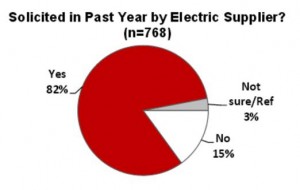
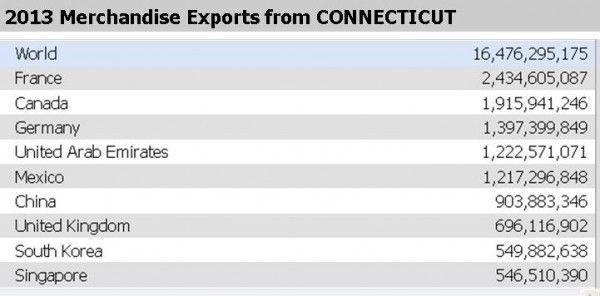
 Overall, the European Union was Connecticut’s largest export market, with average exports (2011-2013) totaling $6 billion annually, the agency’s report noted.
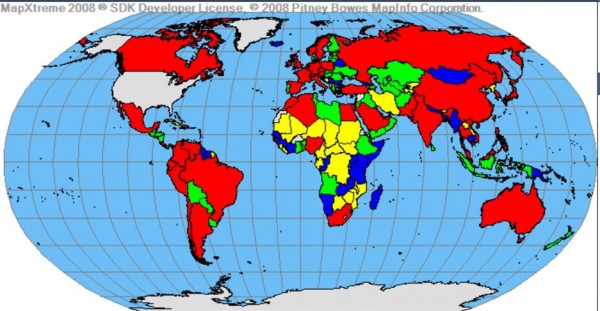 agreements in force with 20 countries, which account for $5.0 billion (30 percent) of Connecticut’s exports. During the past 10 years, exports from Connecticut to these markets grew by 69 percent, with NAFTA, Korea, Singapore, Colombia, and Israel showing the largest dollar growth during this period, the agency reported.
 elphia, and will meet next month in Houston.
 ent, New London 29 percent, Cornwall, 27 percent, Norwich 23 percent, Meriden 22 percent, East Hartford and Preston, both at 21 percent, Stamford and Kent, both at 13 percent, and Danbury 12 percent.
 92 and 2014. The report, “Introducing the Children’s Budget,” is available on the Connecticut Voices for Children website at www.ctvoices.org
 vation of Place grant program provides a source of funding for new initiatives that can be integrated into, and leverage, comprehensive Main Street preservation and revitalization programs. The funds are meant to be flexible to meet individual community need.
 of Place grant program to twenty Connecticut communities, leveraging $842,727 in local Main Street initiatives. The program receives support from the State Historic Preservation Office with funds from the Community Investment Act.
 rom the Beer Institute and the Alcohol and Tobacco tax and Trade Bureau. There were 3,699 permitted breweries in the United States last year, about 34 percent more than the previous year.
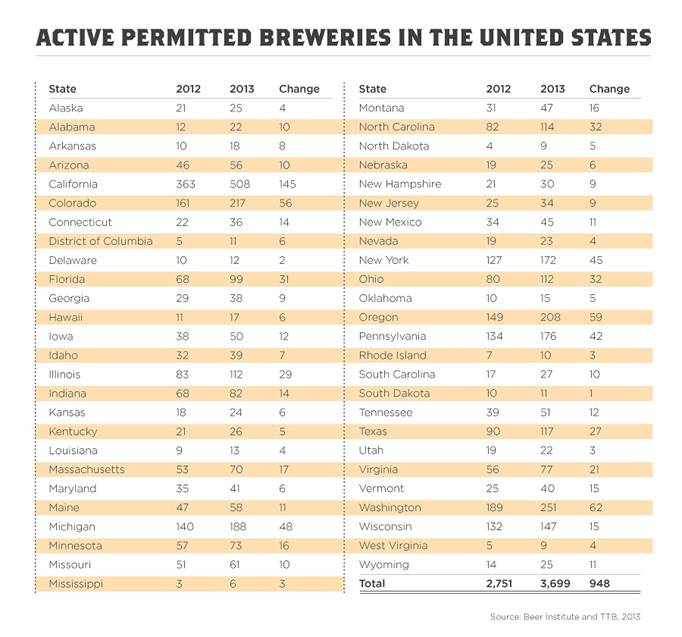 he comparative survey, permitted breweries refer to manufacturers that have completed the appropriate paperwork and obtained the necessary permits to operate, though they may not be fully operational yet, according to Bloomberg.com .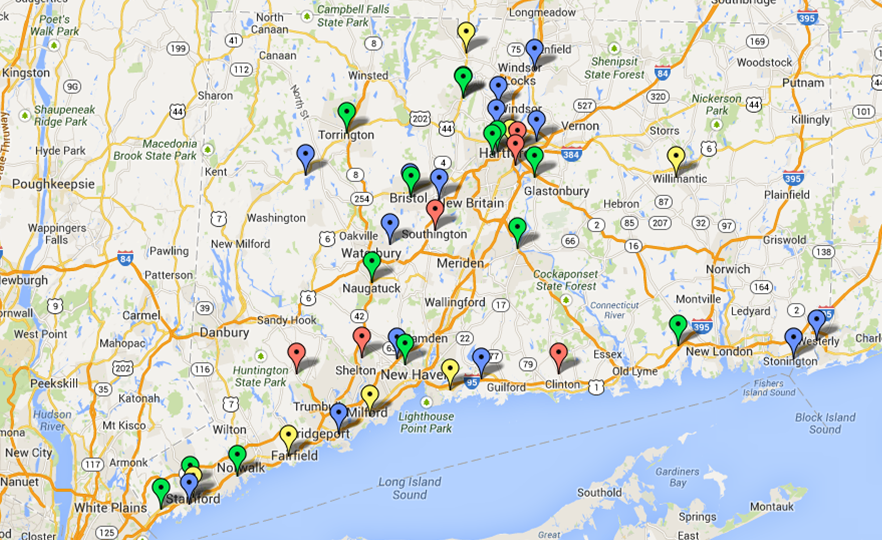
 an estimated
  as new spending from tax revenues. The other study says that tobacco taxes offer a how-to road map for policy makers.
 ished this month, researchers ran a simulation of the impact of 20-percent soda tax in Illinois and California—selected for regional differences—and found slight employment increases would occur, but the net effect would be close to nothing. They found that people choose to spend their money on other things, not to forego spending entirely, and that employment gains in other sectors of the economy far outweigh the job losses for soda makers, National Journal reported.

 luding plug-in hybrids – and the other will go to the dealer who sells or leases the most EVs as a percentage of total sales during the period.
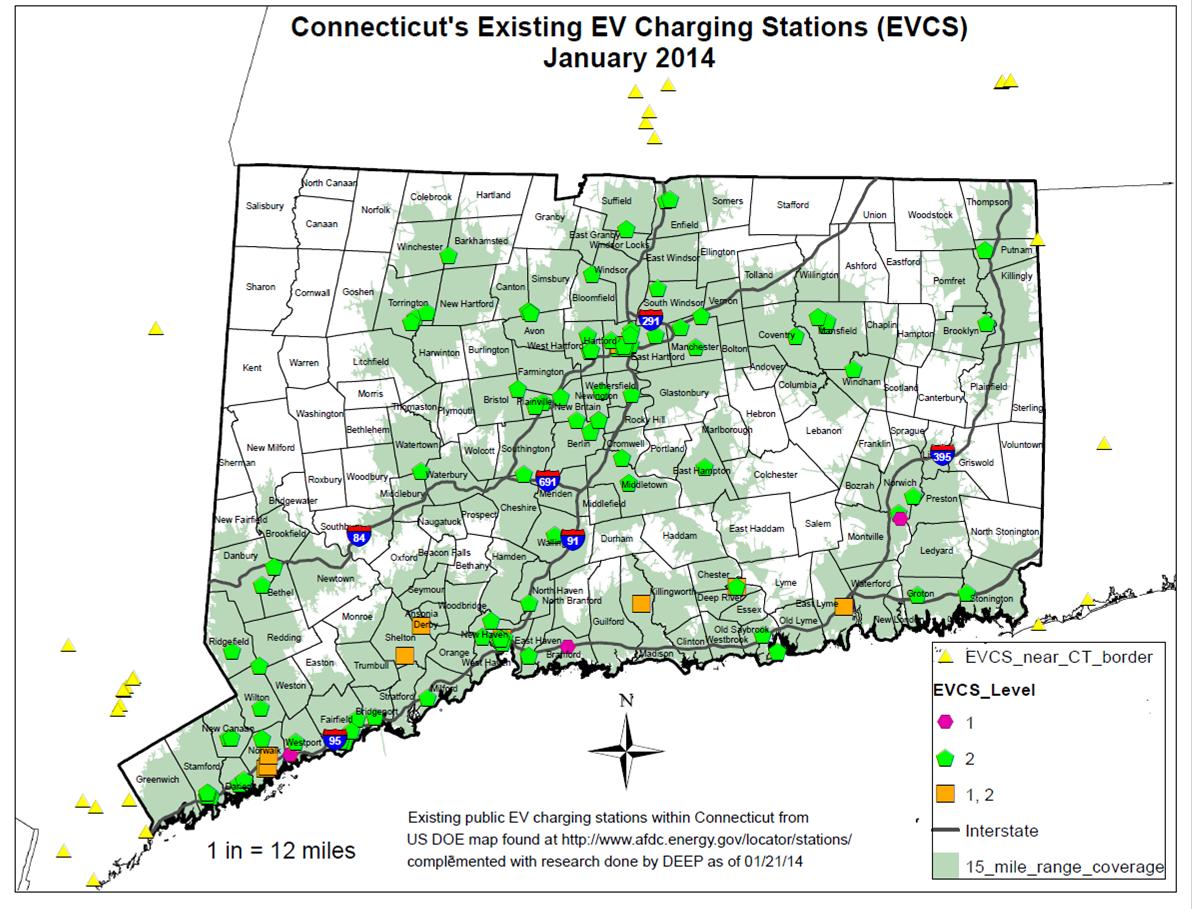 al Protection provides an
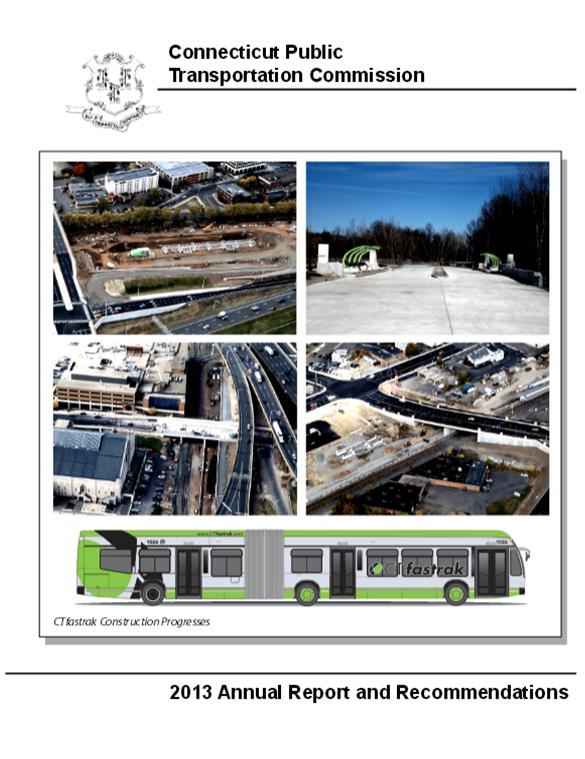 ses running this service are frequently at or above capacity with some occurrences where riders must be turned away. “At a minimum,” the report recommends, “additional investment of state funds would be required to support additional buses to provide a consistent level of services and improve service quality.”