CT's Captive Insurance Program Ranks #2 in US
/The Connecticut Insurance Department’s Captive Insurance Program has been ranked the #2 program in the nation by an industry trade publication in only its third year of operations. A captive insurer is an insurance company that is organized and owned by a parent firm or association to manage the owners’ risk and control costs.
Captive insurance has become an increasingly important tool used by companies to manage their business risk and promote strategic initiatives. Captives are best described as a form of self-insurance, but with all the advantages of traditional insurance. Once an alternative to the commercial insurance market, captives have evolved into strategic financial vehicles used for many different enterprises, such as manufacturing and health care, officials explain.
Earlier this fall, the Connecticut Captive Insurance Association, along with the state Insurance Department and prominent industry sponsors, held the 2014 Symposium on Captive Insurance in Stamford. The conference, “Captives Done Right: Revolutionary Strategies for Optimizing Capital,” included sessions on risk mitigation strategies, corporate governance, risk retention and healthcare captives. Participants included the chief financial officer of Frontier Communications, director of finance of the Archdiocese of Hartford, Chief Scientist Emeritus at Pitney Bowes, Senior Legal Counsel at Swiss Re America Holdings, and president & CEO of JANUS Associates.
According to the symposium’s website, the advantages of captive insurance include the opportunity to earn an underwriting profit, improved risk management and loss control, coverage for unusual or hard to place risks, direct access to reinsurance, and potential tax savings.
One of 37 states and U.S. territories that allow captives, Connecticut was ranked the second leading domicile by Captive Review, behind Vermont, in the magazine’s U.S. Captive Service Awards announced this week. The annual awards recognize captive industry professionals who have demonstrated the highest levels of excellence over the past year.With 5,660 companies registered in captive domiciles across the world, according to the publication, the captive insurance sector remains a vital alternative risk transfer (ART) option and a significant part of the insurance sector. Delaware was top-ranked a year ago.
Connecticut currently has four licensed captive insurers and several more applications pending.
“Connecticut is taking a unique approach to the captive market,” said Connecticut Insurance Department Captive Unit Manager John Thomson. “We are working beyond a pure regulatory regime and are focusing on helping captive owners create sustainable risk financing vehicles. It is not about the  number of licensed captives but about an informed professional regulatory response.”

 ss are Torrington, Danbury, West Hartford, Cheshire, Guilford, Greenwich, Plainville, Middlebury, New London, Killingly, Middletown, Fairfield, Madison, Branford, Farmington, Glastonbury, Windsor, Orange and East Hartford.
 nt), Michigan and Pennsylvania (1.6 percent). Also faring slightly better than Connecticut in reducing their state unemployment rate over the year were California, Idaho, New Hersey, Arkansas, Massachusetts, Washington, Kentucky and New York. North Carolina was tied with Connecticut.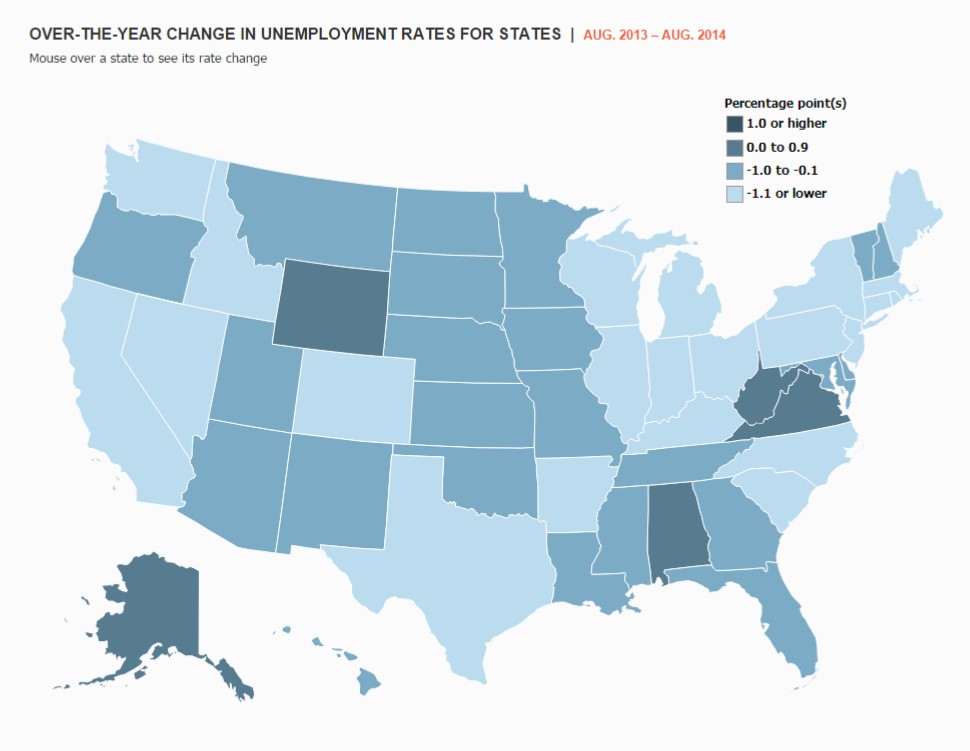

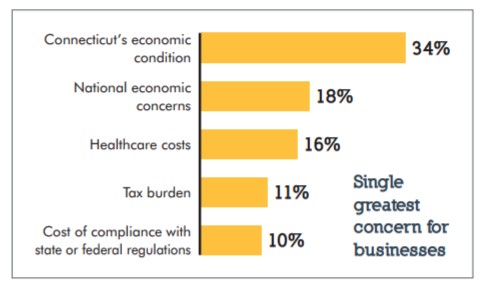 When asked how Connecticut should address the shortage of skilled workers, 32% of businesses surveyed say the state should reduce the cost of living, 28% say the state should support trade schools, 20% say the state should support education overall, and 20% say there should be incentive for training programs.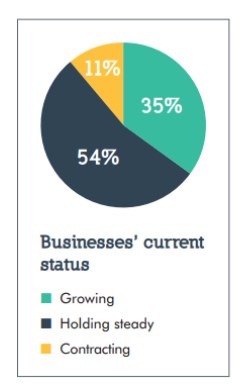


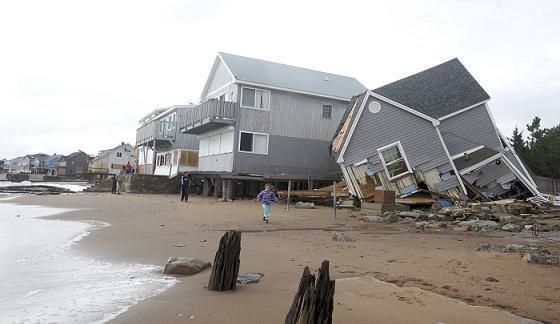 Half of the 15 costliest catastrophes since 1970 have occurred in the past 10 years. The analysis methodology, going back to 1970, reviewed loss including property and business interruption, excluding liability and life insurance losses. It was released this week by
 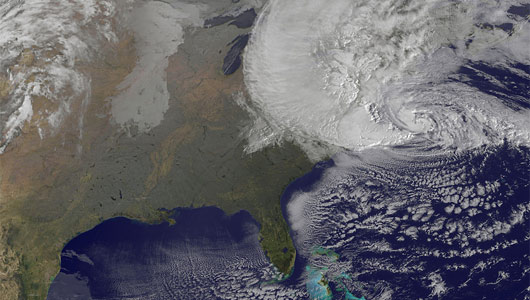 ter and the Pentagon on September 11, 2001, with insured losses of $25.6 billion.
 one’s throw away. The reconstruction of the I-95/I-91/Route34 interchange in New Haven began in 2011 and is estimated to be completed in 2016, at a cost of $359.9 million.
 ervices firm, develops the annual ranking of millionaires per capita by state. The results care culled from their Global Wealth Monitor, a service that tracks affluent and high net worth households.
 ew York. At the other end of the list, in reverse order from the bottom, were Mississippi, Arkansas, Idaho, West Virginia, Kentucky, and Tennessee – the states with the fewest millionaires per capita.