Connecticut Ranks #2 in Millionaires; New Jersey Drops to #3
/Which state has 99,965 millionaires? Connecticut. How many states have a greater percentage of millionaires, based on population? Only one. Connecticut is ranked at #2 among the states in an analysis of the number of millionaires, as a percentage of population, developed by Phoenix Marketing International. Only Maryland has a higher percentage – and Connecticut moved up one notch this year, surpassing New Jersey, which was ranked second a year ago.
Perhaps surprisingly, it’s not all about Fairfield County. David Thompson, Managing Director of the Phoenix Global Wealth Monitor and the lead researcher, points out that the data shows “pockets of wealth” throughout the state – in the Bridgeport-Norwalk-Stamford corridor, but also in Litchfield County, Hartford-West Hartford, and Norwich-New London. In fact, only California has more metropolitan areas in the nation’s top 30 for millionaires per capita.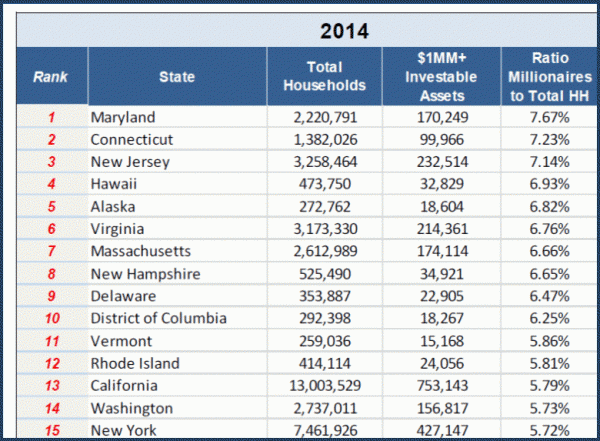
And while some have suggested that Connecticut’s tax structure and economy are pushing people to exit the state, millionaires seem to be quite comfortable here. The total number of millionaires dropped slightly during the past year from 100,754 to 99,965, a loss of 789 millionaires. New Jersey lost more individuals with investable assets over a million dollars as a percentage of population, dropping behind Connecticut. New Jersey's total number fell from 242,647 to 232,514, a loss of more than 10,000 millionaires during 2014 (from 7.49 percent to 7.14 percent of the state's population).
“Connecticut holds on to its wealthy population. There’s no downward trend (compared with other states),” Thompson notes. “The tax structure isn’t so onerous, the state offers stability, and attracts industries that grow wealth.” Thompson, a Connecticut resident, adds that the quality of life in the state, as well as its accessibility to New York and Boston also prove attractive.
Maryland has 170,248 millionaires, a ratio of 7.67 to total households. Connecticut ranks #2, with 99,965 and a ratio of 7.23, followed by New Jersey with a ratio of 7.14 and 232,514 millionaires. Connecticut has consistently been a top five state, placing third in 2013, fourth in 2012, 2011 and 2010.
Among the key findings for 2014:
- Maryland held strong in the first position for its fourth year in a row
- On the strength of its oil boom, North Dakota continued its meteoric rise in the millionaire rankings, moving up to number 20 in 2014. Its neighbor, South Dakota, however, was the biggest gainer this year, rising twelve points to number 26
- The top ten states remained the same, with only slight shifts: New Jersey #3 (down one point), Hawaii, Alaska, Virginia (up one point), Massachusetts (down one point), New Hampshire, Delaware and the District of Columbia.
Besides Maryland, the top ten states remained the same, with slight shifts: Connecticut rose one notch to hold the #2 spot, followed by New Jersey (down one spot), Hawaii, Alaska, Virginia (up one position), Massachusetts (down one slot), New Hampshire, Delaware and the District of Columbia.
“The amazing rise of North Dakota in the millionaires rankings clearly demonstrates the power of an industry to quickly create wealth,” Thompson said. But he indicated that “new industries may not be a sustainable economy,” and cited the nation’s large population centers, including those along the east coast, as more likely to retain their positions as most attractive to wealthy individuals.
There were a few notable declines in the rankings: Louisiana dropped 6 positions to number 38, Texas dropped 5 slots to number 27, erasing gains it made last year; and Georgia lost another 5 places this year for the second year in a row, falling to number 40.
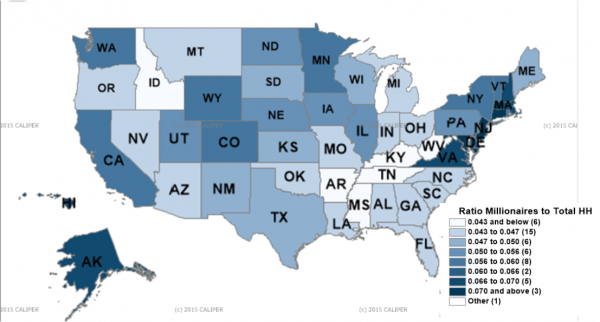
Smallest percentage of millionaires? Mississippi, Idaho, Arkansas, Kentucky, Tennessee and West Virginia.
The PMI Global Wealth Monitor (GWM) provides ongoing intelligence on the attitudes, behaviors and needs of affluent and High Net Worth consumers to leading organizations in the U.S., Canada, and Europe.




 The Mayors will engage with Administration officials, Congressional leaders business leaders to “ensure the health and economic recovery of America’s cities,” according to program organizers. Vice President Joe Biden is scheduled to address the Mayors on Thursday.
 ttending from Connecticut are Bridgeport Mayor Bill Finch, Bristol Mayor Ken Cockayne, Danbury Mayor Mark Boughton, East Hartford Mayor Marcia Leclerc, Hartford Mayor Pedro Segarra, New Britain Mayor Erin Stewart, New Haven Mayor Toni Harp, Norwich Mayor Deberey Hinchey, Shelton Mayor Mark Lauretti, Stamford Mayor David Martin, Stratford Mayor John Harkins, Trumbull First Selectman Timothy Herbst and Waterbury Mayor Neil O’Leary.
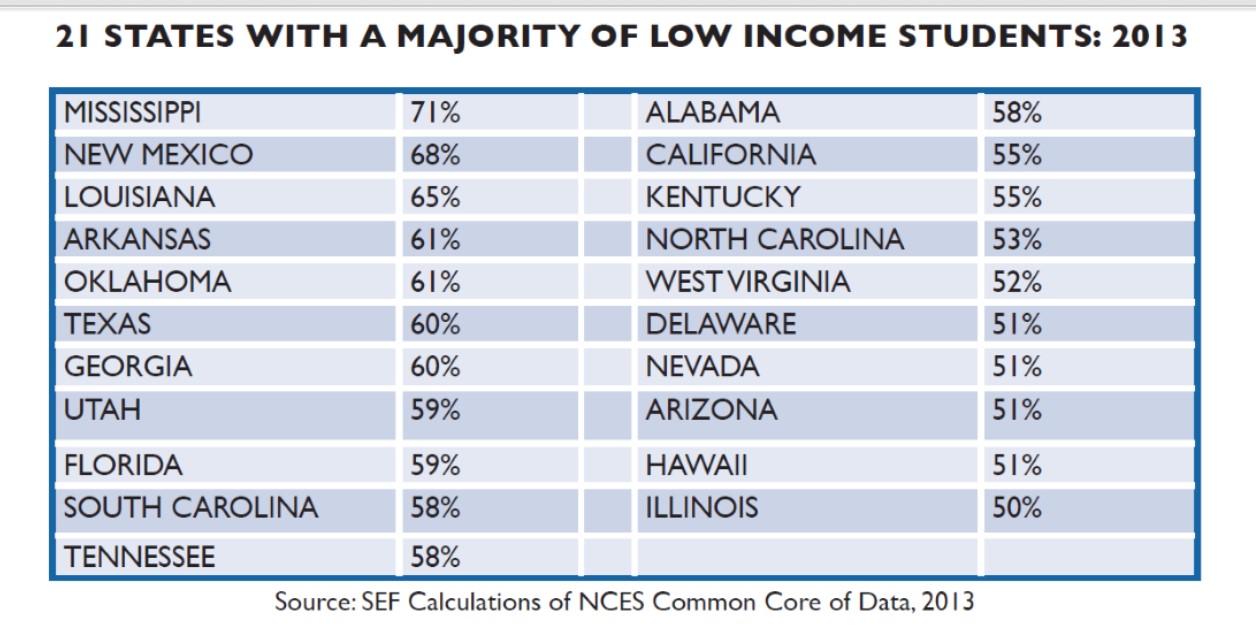 hat “The trends of the last decade strongly suggest that little or nothing will change for the better if schools and communities continue to postpone addressing the primary question of education in America today: what does it take and what will be done to provide low income students with a good chance to succeed in public schools? It is a question of how, not where, to improve the education of a new majority of students.”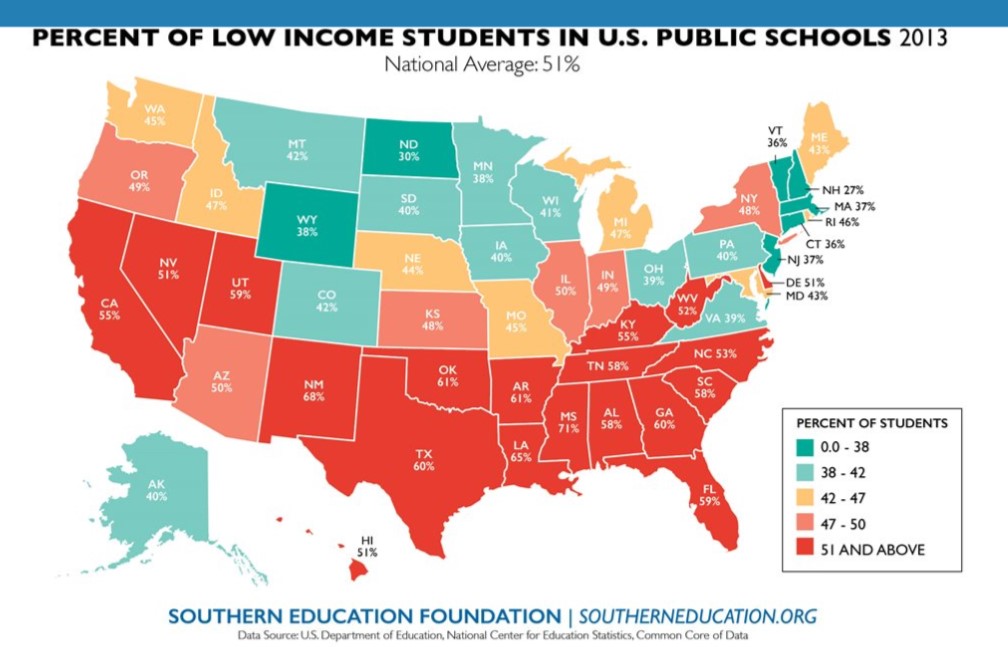
 Issued by the Small Business & Entrepreneurship Council, the index ranks the 50 states according to 42 different policy measures, including a wide array of tax, regulatory and government spending measurements. The index, which has been published annually for 19 years, continues to point to South Dakota as the most entrepreneurial-friendly state in the U.S., benefiting most from the lack of individual income tax, capital gains tax, corporate income tax and inheritance tax.





 The Preservation of Place grant program provides a source of funding for new initiatives that can be integrated into, and leverage, comprehensive Main Street preservation and revitalization programs. The funds are meant to be flexible to meet individual community need.

 USOC board members chose Boston, with its promise of frugality and temporary, reusable venues, over Los Angeles, San Francisco and Washington. Boston joins Rome as the only other city that has officially decided to bid. Germany will submit either Hamburg or Berlin, with France, South Africa and Hungary among those also considering bids, according to published reports.
 Last fall, a promotional video advocating a Boston bid was released, and a website was launched. With an eye toward innovation and efficiency, the video highlights Boston’s bid “to create a sustainable model for hosting the Olympic and Paralympic Games that can become the blueprint for future host cities.”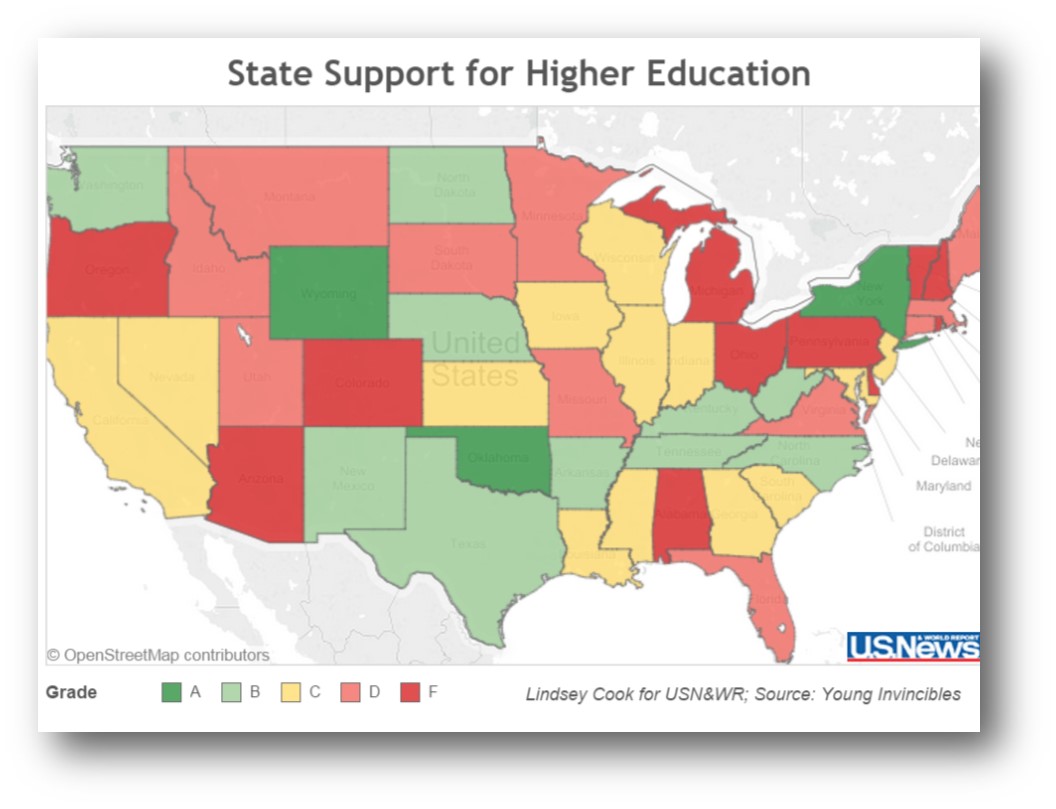
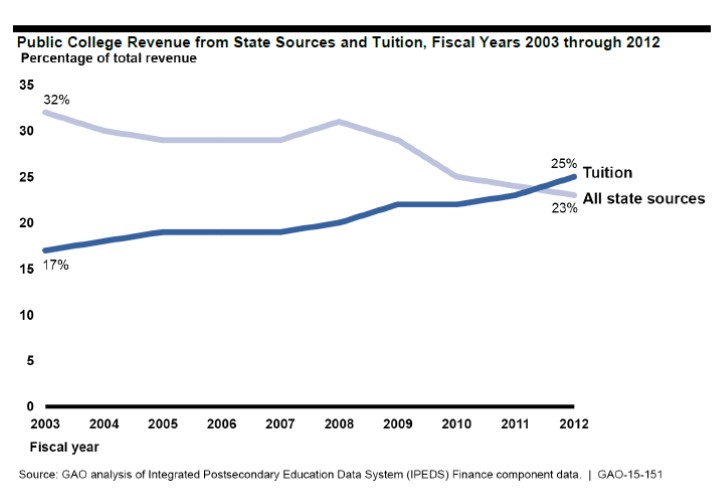
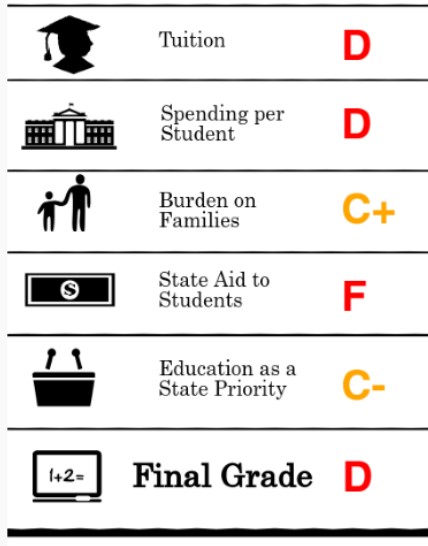 last month by the General Accounting Office in Washington, D.C. for the U.S. Senate found “persistent state budget constraints have limited funding for public colleges” across the country. The result, according to the GAO report: “Students and their families are now bearing the cost of college as a larger portion of their total family budgets.”
 “state grant aid directly affects students in that it can reduce their out-of-pocket expenses for college… state grant aid, both merit- and need-based, has positive effects on enrollment.” The results of one program, in Washington State, cited by GAO “suggests that receiving the aid increased a student’s probability of enrolling in college by nearly 14 to 19 percentage points.”