Local Election Officials Less Responsive If They Think You’re Latino, Study Finds
/The answers vary, depending who is believed to be asking. In an academic study, researchers have found that individuals thought to be Latino by local election officials receive less responsive and accurate answers to basic questions seeking information about voting. It is described as the first large-scale field experiment investigating bureaucratic behavior that provides “causal evidence of discrimination on the basis of ethnicity or race by election officials.”
The authors, Ariel R. White, Noah L. Nathan and Julie K. Faller, Ph.D. candidates at Harvard University, have published the results of their 2012 study, “What Do I Need to Vote? Bureaucratic Discretion and Discrimination by Local Election Officials,” in the February 2015 issues of American Political Science Review. The graduate students contacted more than 7,000 elections officials in 48 states (Maine and Alaska were not included) – and asked two questions via email of the people who are responsible for both implementing voter-ID laws in many states and providing election-related information to voters.
“We find that officials provide different information to potential voters of different putative ethnicities,” the authors explained. “Emails sent from Latino aliases are significantly less likely to receive any response from local election officials than non-Latino white aliases and receive responses of lower quality. This raises concerns about the effect of voter ID laws on access to the franchise and about bias in the provision of services by local bureaucrats more generally.”
The field study, in which fundamental voting-related questions were emailed to election officials, was designed to “isolate the effect of ethnicity on real-world performance” of election officials. It indicates that the officials are less likely to respond to informational inquiries from individuals thought to be Latino. Emails from Latino names are roughly five percentage points less likely to receive a reply to a question about voter ID requirements than those from non-Latino whites, the Boston Globe reported.
The experiment was designed to determine if “street-level bureaucrats discriminate in the services they provide to constituents.” The results provide “strong evidence” that they do. The study concluded that “the responses that Latino emailers received to voter ID questions were less likely to be accurate and were more likely to be non-informative.” The results “suggest that bias from street-level bureaucrats can occur even when there are not clear strategic reasons for officials to discriminate on the basis of ethnicity.”
The study, just prior to the 2012 election, also indicated that “we find no evidence that whether local officials are elected or appointed, partisan or nonpartisan, or members of specific political parties influences the extent of bias.”
Significantly, given recent court decisions that have rolled back oversight of elections in certain jurisdictions around the country, the study authors indicate that “consistent with the claim that enhanced monitoring reduces discrimination, we find no evidence of bias against Latinos in jurisdictions subject to federal regulation under the Voting Rights Act.”
“These findings have important implications for debates about voter ID laws, and indeed for any changes to voting requirements or election administration,” the authors emphasize in the study’s conclusion. “Our results indicate that changes to existing voting regulations are likely to differentially increase information costs for Latino voters because public officials are less responsive to their requests for information.”
The 14-page study report also suggests that:
- There is “some evidence that officials respond at lower rates to Latinos, even when asked a question”
- “Public officials can be biased even in exceptionally low cost interactions” such as when only a single word answer (“No”) is necessary
- “If minority voters are less able to acquire information about ID requirements and more likely to be asked for ID at the polls, this could manifest in lower voting rates. This may be greatest where officials are not monitored to prevent discrimination.”
The researchers suggest that future research could “expand the use of experimental methods to examine the presence of bias in service delivery in many other aspects of local administration in the United States” – from” trash collection and snow plowing to the management of welfare offices.” They raise the question as to whether “similar ethnic or racial biases may affect the quality of services delivered in these other arenas.”


 tently and robustly in research.” Describing Connecticut as “the home of innovation in engineering,” Esty said that engineers provide “the inspiration to solve the world’s problems.”
 Among the faculty award recipients was Dr. Alfred A. Gates, Professor of Engineering at Central Connecticut State University, whose two decades at the university have been a steady stream of technical innovation and teaching. Gates noted that CCSU has just become the first university in the United States to receive a

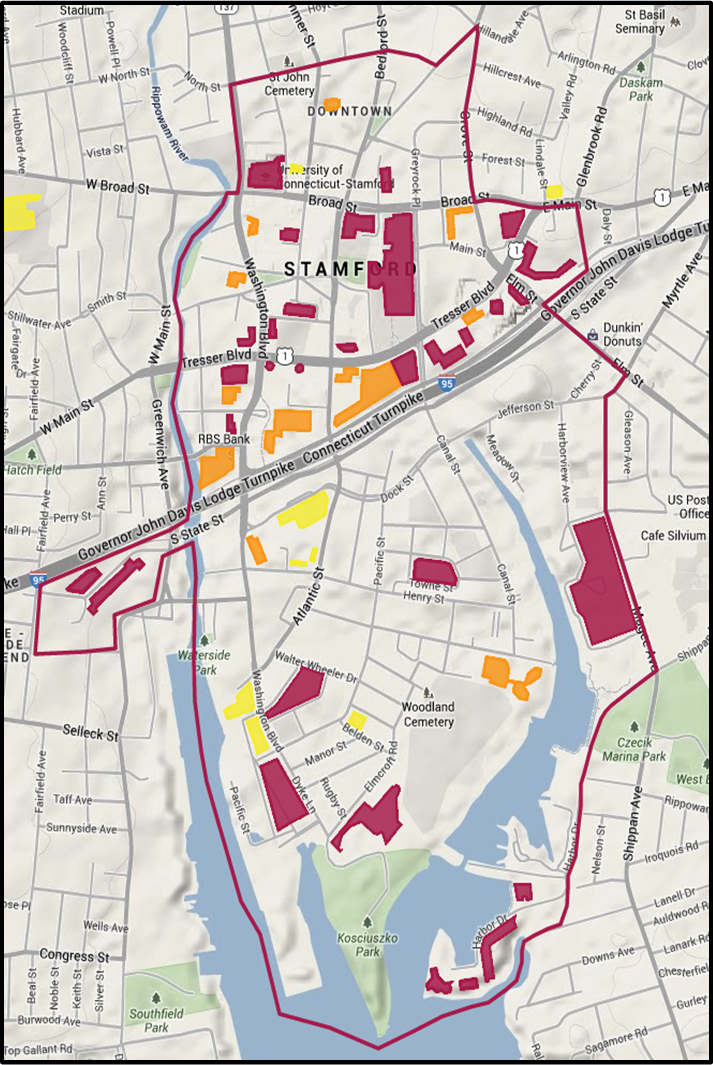 “These collective efforts will establish the Stamford 2030 District as an example of a financially viable, sustainability focused, multi-sector driven effort that maximizes profitability and prosperity for all involved. Through collaboration of diverse stakeholders, leveraging existing and developing new incentives and financing mechanisms, and creating and sharing joint resources, the Stamford 2030 District will prove the business case for healthy and high performing buildings.”
 The
The 


 o their teams as “Raiders” – not “Red Raiders.” Promoting their 2014 Thanksgiving Day football rivalry, the Torrington website said “Come out to see the Raiders take on the Watertown Indians in the 49th renewal of this holiday classic. The Raiders have held off the Indian attack the past two seasons…”

 chester High School (Indians), Montville High School (Indians), and Newington High School (Indians). Also, the Nonnewaug (Woodbury) High School (Chiefs), North Haven Senior High School (Indians), RHAM Junior Senior High School (Sachems), Valley Regional (Deep River) High School (Warriors), Wamogo (Litchfield) Regional High School (Warriors), Watertown High School (Indians), Wilcox Technical (Meriden) High School (Indians), Wilton High School (Warriors), Windsor High School (Warriors), Windsor Locks High School (Raiders).





 has declined to comment on the ongoing review process at the FCC.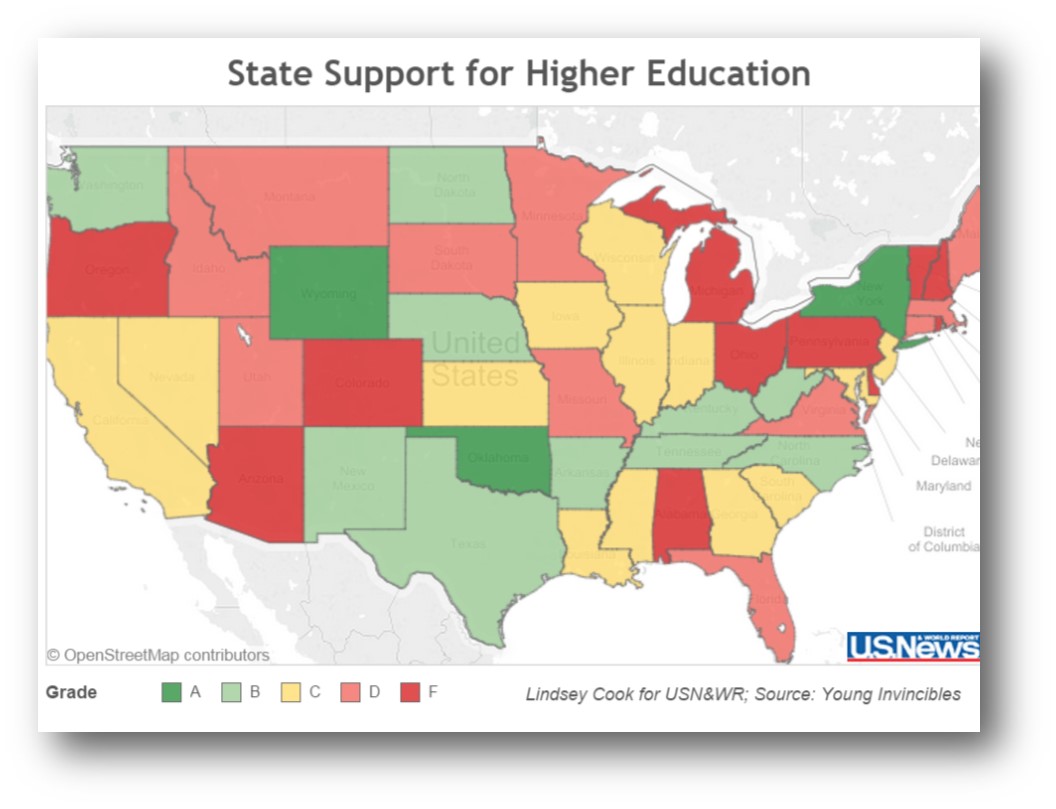
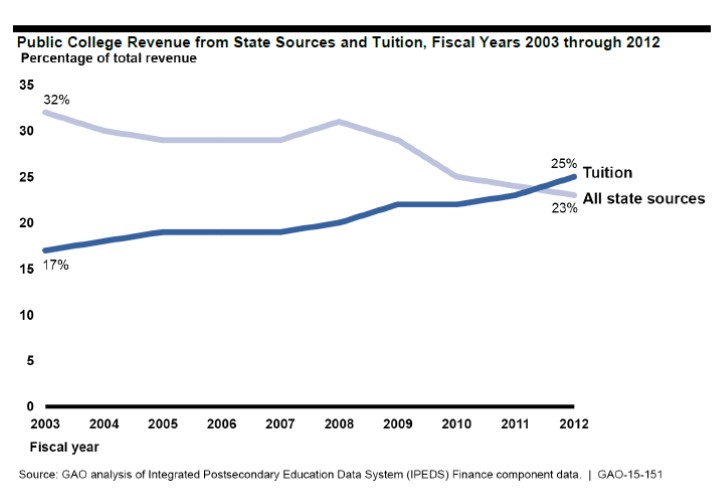
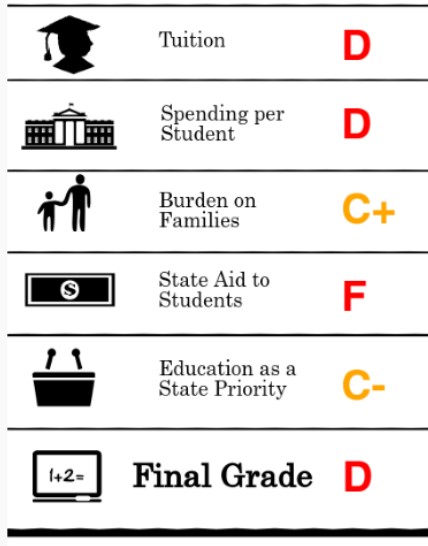 last month by the General Accounting Office in Washington, D.C. for the U.S. Senate found “persistent state budget constraints have limited funding for public colleges” across the country. The result, according to the GAO report: “Students and their families are now bearing the cost of college as a larger portion of their total family budgets.”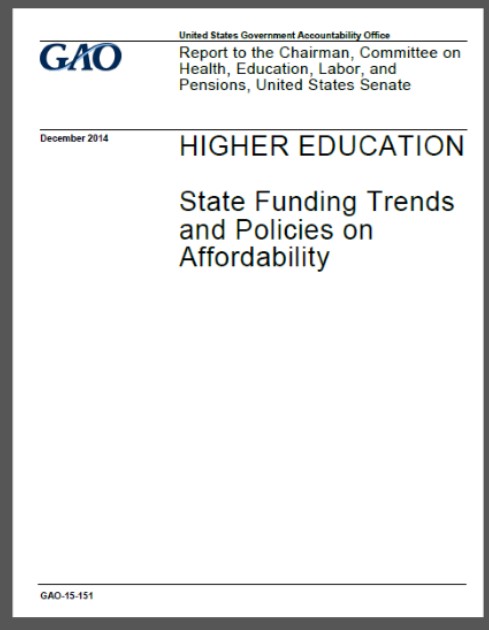
 “state grant aid directly affects students in that it can reduce their out-of-pocket expenses for college… state grant aid, both merit- and need-based, has positive effects on enrollment.” The results of one program, in Washington State, cited by GAO “suggests that receiving the aid increased a student’s probability of enrolling in college by nearly 14 to 19 percentage points.”

 rcentage increases in ELL students, between 2001 and last year, came in Windham (11.8% increase), Danbury (up 9.4%), Norwich (up 9.1%), and New London and West Haven (both up 7.4%).