CT Is Second-Tier State in Innovation Ranking of States; Earns Top Grades in Investment, Internet
/Connecticut is among the second tier of states, described as an “innovation leader,” in the inaugural Innovation Scorecard compiled by the Consumer Electronics Association (CEA). The first-of-its-kind innovation performance index is based on ten criteria, and evaluates all 50 states and Washington, D.C., according to the conduciveness of their legal, regulatory and overall business environments to welcome and encourage innovation.
The Innovation Scorecard’s first group of Innovation Champions – those states that earned the highest grades – are Delaware, Indiana, Massachusetts, Michigan, North Carolina, South Dakota, Texas, Utah and Virginia, as well as the District of Columbia.
Connecticut’s grades range from A- in the “attracts investment” and “fast internet” categories to a C in “tax-friendliness,” D in “innovation friendly sustainable policies,” and F in “right to work.” The state also received a B in four categories: entrepreneurial activity, tech workforce, grants STEM degrees and innovation momentum.
The analysis notes that in Connecticut, “the public and private sector are funding incubators including the Connecticut Enterprise Center, Institute of Technology & Business Development and UConn Technology incubation Program to help startups launch their businesses and become financially viable companies.”
The Innovation Scorecard assesses the progress of state policies intended to advance innovation and improve business climates, while also tracking states’ responsiveness to disruptive innovation. Using established economic, educational and legislative data, the report issues grades across ten categories, including: right-to-work laws; policies that support new business models; tax friendliness; Internet speed; and size of the tech workforce.
After the innovation champions group that tops the list, the next category (innovation leader) includes Connecticut and 19 other states, including Vermont and New Hampshire in New England and Washington and Oregon on the West Coast.
Connecticut is one of only five states to receive an A, A- or A+ in the “attracts investment” category. The others are California, Washington, Massachusetts, and Delaware. Nine states and Washington, D.C. receive an A, A- or A+ for “fast internet.” Among them are Connecticut, New Hampshire, Rhode Island and Massachusetts.
Among the CEA report’s key findings:
- Delaware leads the nation in providing the fastest average Internet speed, at 16,200 kbps;
- The District of Columbia leads the nation in tech jobs per capita;
- Massachusetts and California bring in the most venture capital investment dollars, more than $500 per capita, in the U.S; and
- Massachusetts, California, Washington, Connecticut and Delaware received higher R&D investment than other states.
Plans are for the Innovation Scorecard will be annually updated to reflect states’ evolving policies and any changes in measuring innovation.
 Gary Shapiro, president and CEO of CEA, said “The future of growth and economic prosperity in this country is most vibrant in places where policies and political climates serve to unleash the entrepreneurial spirit and can-do attitude that is part of our American DNA. Our hope is that states will use our Scorecard as a measurable guidepost to improve their policies supporting innovation.”
The Consumer Electronics Association (CEA), with more than 2,000 member companies, is the technology trade association representing the $286 billion U.S. consumer electronics industry.


 tently and robustly in research.” Describing Connecticut as “the home of innovation in engineering,” Esty said that engineers provide “the inspiration to solve the world’s problems.”
 Among the faculty award recipients was Dr. Alfred A. Gates, Professor of Engineering at Central Connecticut State University, whose two decades at the university have been a steady stream of technical innovation and teaching. Gates noted that CCSU has just become the first university in the United States to receive a

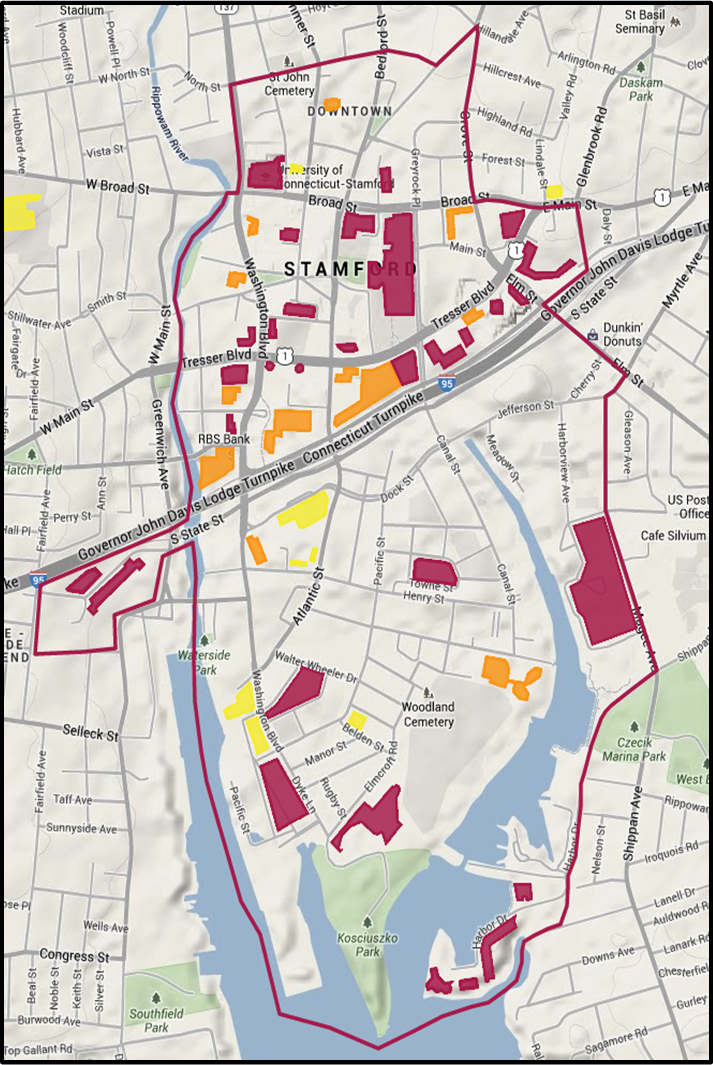 “These collective efforts will establish the Stamford 2030 District as an example of a financially viable, sustainability focused, multi-sector driven effort that maximizes profitability and prosperity for all involved. Through collaboration of diverse stakeholders, leveraging existing and developing new incentives and financing mechanisms, and creating and sharing joint resources, the Stamford 2030 District will prove the business case for healthy and high performing buildings.”
 The
The 


 o their teams as “Raiders” – not “Red Raiders.” Promoting their 2014 Thanksgiving Day football rivalry, the Torrington website said “Come out to see the Raiders take on the Watertown Indians in the 49th renewal of this holiday classic. The Raiders have held off the Indian attack the past two seasons…”

 chester High School (Indians), Montville High School (Indians), and Newington High School (Indians). Also, the Nonnewaug (Woodbury) High School (Chiefs), North Haven Senior High School (Indians), RHAM Junior Senior High School (Sachems), Valley Regional (Deep River) High School (Warriors), Wamogo (Litchfield) Regional High School (Warriors), Watertown High School (Indians), Wilcox Technical (Meriden) High School (Indians), Wilton High School (Warriors), Windsor High School (Warriors), Windsor Locks High School (Raiders).






 has declined to comment on the ongoing review process at the FCC.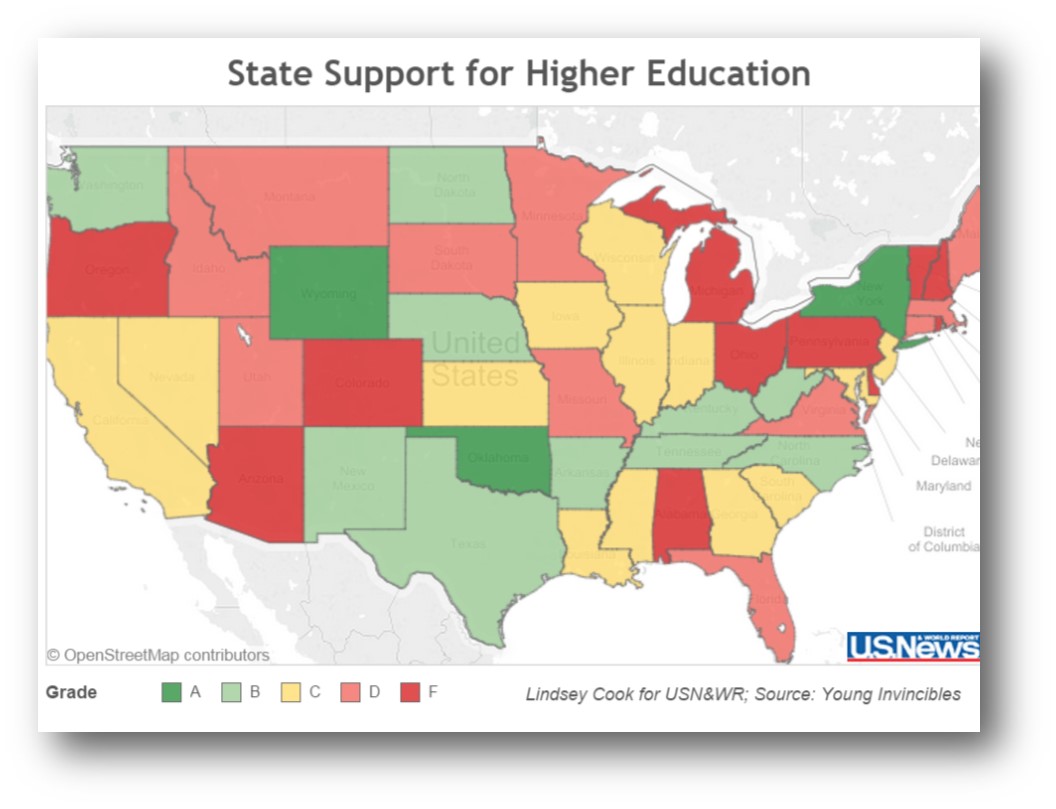
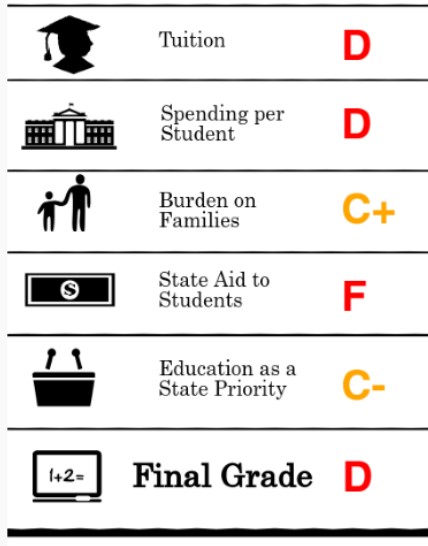 last month by the General Accounting Office in Washington, D.C. for the U.S. Senate found “persistent state budget constraints have limited funding for public colleges” across the country. The result, according to the GAO report: “Students and their families are now bearing the cost of college as a larger portion of their total family budgets.”
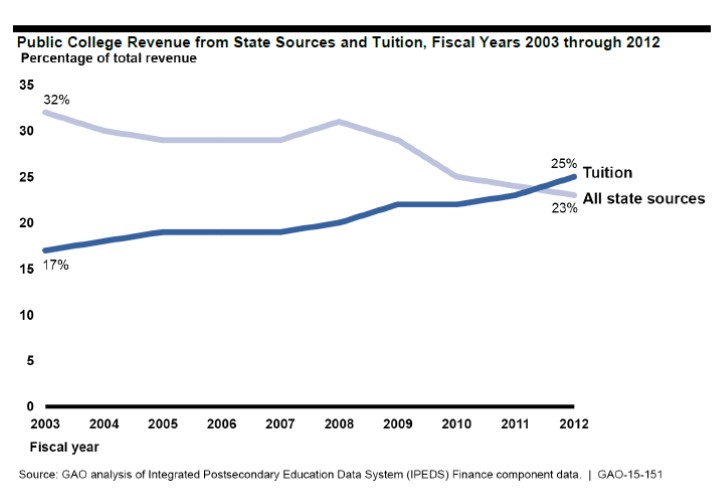 “state grant aid directly affects students in that it can reduce their out-of-pocket expenses for college… state grant aid, both merit- and need-based, has positive effects on enrollment.” The results of one program, in Washington State, cited by GAO “suggests that receiving the aid increased a student’s probability of enrolling in college by nearly 14 to 19 percentage points.”