Prison System As De facto Mental Health Service Center Brings Personal, Fiscal Costs
/
The UConn Health Center, on the pages of its Correctional Managed Health Care website, points out that “the public health burden that jails and prisons bear is enormous. A disproportionate number of incarcerated individuals are medically and/or psychiatrically compromised.” Connecticut is one of only six states with an integrated jail and prison system.
Statewide, each of the 24,936 annual jail and prison “admissions” requires a medical and mental health intake health screening. Generally, the website notes, “one out of five requires prompt medical or mental health intervention.” Schizophrenia, bipolar disorder, post traumatic stress disorder, depression, severe personality disorders, traumatic brain injury and addictive disorders are “overrepresented in this population,” the website indicates.
Mental health services a re available at all prisons and jails in the state, with comprehensive mental health programs at Osborn, Northern, York, Manson Youth, and Garner correctional institutions. Mental health services are comprehensive from admission to discharge, the website explains, and “focus on access to care and outreach, screening and assessment, identification, treatment planning, classification, provision of distinct levels of service and continuity of care upon discharge to the community.”
The mental health department includes approximately 14 psychiatrists, 17 psychologists, 10 mental health nurse practitioners, 19 psychiatric nurse clinicians, 69 social workers, and 15 professional counselors to serve the needs of approximately 19 percent of the inmate population, about 3,400 individuals. The website indicates that as of June 2013, the prison population was 17,998 individuals (16,985 incarcerated and 1,013 in halfway houses).
A recent The New York Times column by Nicholas Kristof posited that people suffering from mental illness often commit a crime in order to obtain treatment. Because of the acute shortage of treatment facilities outside of prison, decades after the wholesale closing of mental health care facilities nationwide, prisons have become the nation’s de facto treatment centers. Among the stark facts outlined:
- More than half of prisoners in the United States have a mental health problem, according to a 2006 U.S. Justice Department Study.
- Among female inmates, almost three-quarters have a mental disorder.
- Nationwide, more than three times as many mentally ill people are housed in prisons and jails as in hospitals, according to a 2010 study by the National Sheriffs’ Association and the Treatment Advocacy Center.
- Forty percent of people with serious mental illnesses have been arrested at some point in their lives
- Taxpayers spend as much as $300 or $400 a day supporting patients with psychiatric disorders while they are in jail, partly because the mentally ill require mediation and extra supervision and care.
- In 1955, there was one bed in a psychiatric ward for every 300 Americans; now there is one for every 3,000 Americans, according to a 2010 study.
Writing in the Connecticut Law Review, Christina Canales pointed out in 2012 that “Although a good plan in theory, deinstitutionalization quickly became one of the main reasons for the substantial increase in mentally ill individuals in prisons. Many of the originally considered community mental health centers were never developed, leaving such individuals with nowhere to turn for treatment.”
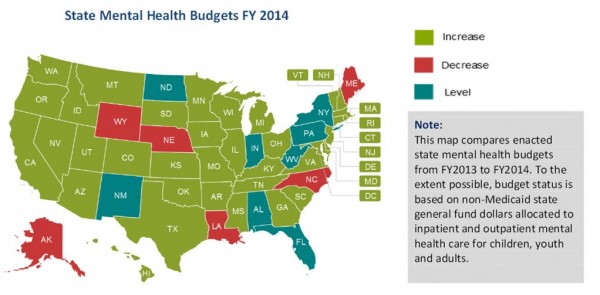
The 2013 Legislation Report of the National Alliance on Mental Illness indicated that “Disproportionate numbers of people with mental illness are involved in the criminal justice system often as a result of untreated or undertreated mental illnes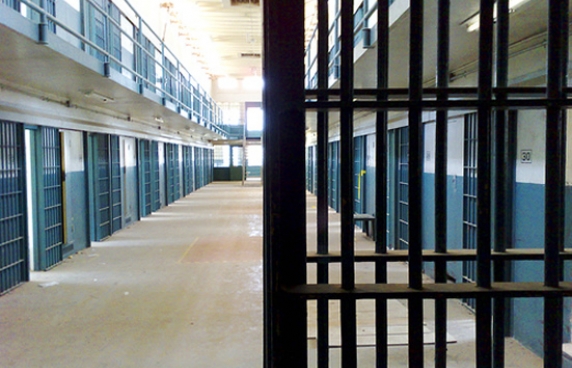 s. Thoughtful release planning and progressive probation or parole procedures increase the likelihood of successful re-entry for prisoners living with mental illness.”
In FY 2013, the UConn Health Center website details, there were 191,202 visits to social workers, psychologists and psychiatric nurse clinicians, including suicide risk assessments within DOC facilities. In addition, there were 20,056 visits to psychiatrists and 16,826 visits to Advanced Practice Registered Nurses.
The Connecticut Health Investigative Team (C-HIT) has reported that in 2003, "an estimated 13 percent were considered mentally ill." In 2003, Connecticut’s prison population was 19, 605, according to the Office of Policy and Management’s Criminal Justice Policy and Planning Division. That would have been approximately 2,549 individuals.


 mploys approximately 100 people, with national headquarters in Newington.
 ntennial-themed activities,” Inderbitzen added, “including coach bus trips to ARRL headquarters and W1AW—the Hiram P. Maxim Memorial Station in nearby Newington. We want ARRL members to come with all of their experiences from the first one hundred years of Amateur Radio and ARRL, and leave with a shared vision for ARRL’s second century.”
 The proposal was also supported by the
  The state agency received a total of 6,008 written complaints in 2013, while the number of phoned-in complaints and questions numbered in the tens of thousands. The areas included in the ten leading causes of consumer complaints accounted for nearly 60 percent of the written complaints during the year.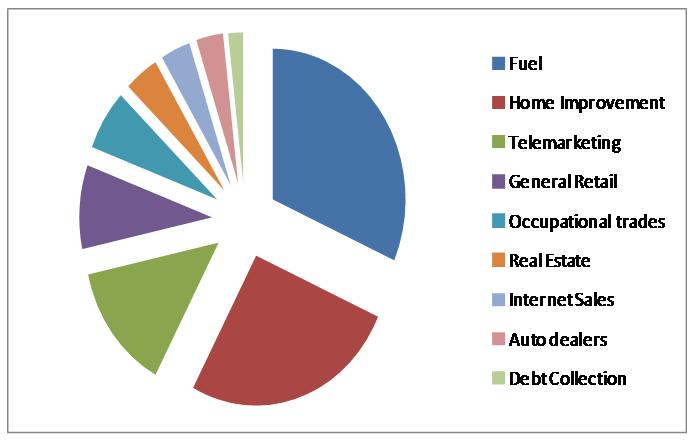

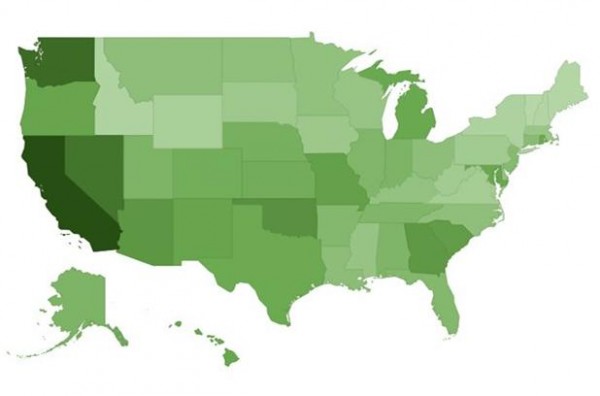 1, but still outdistanced all 50 states.
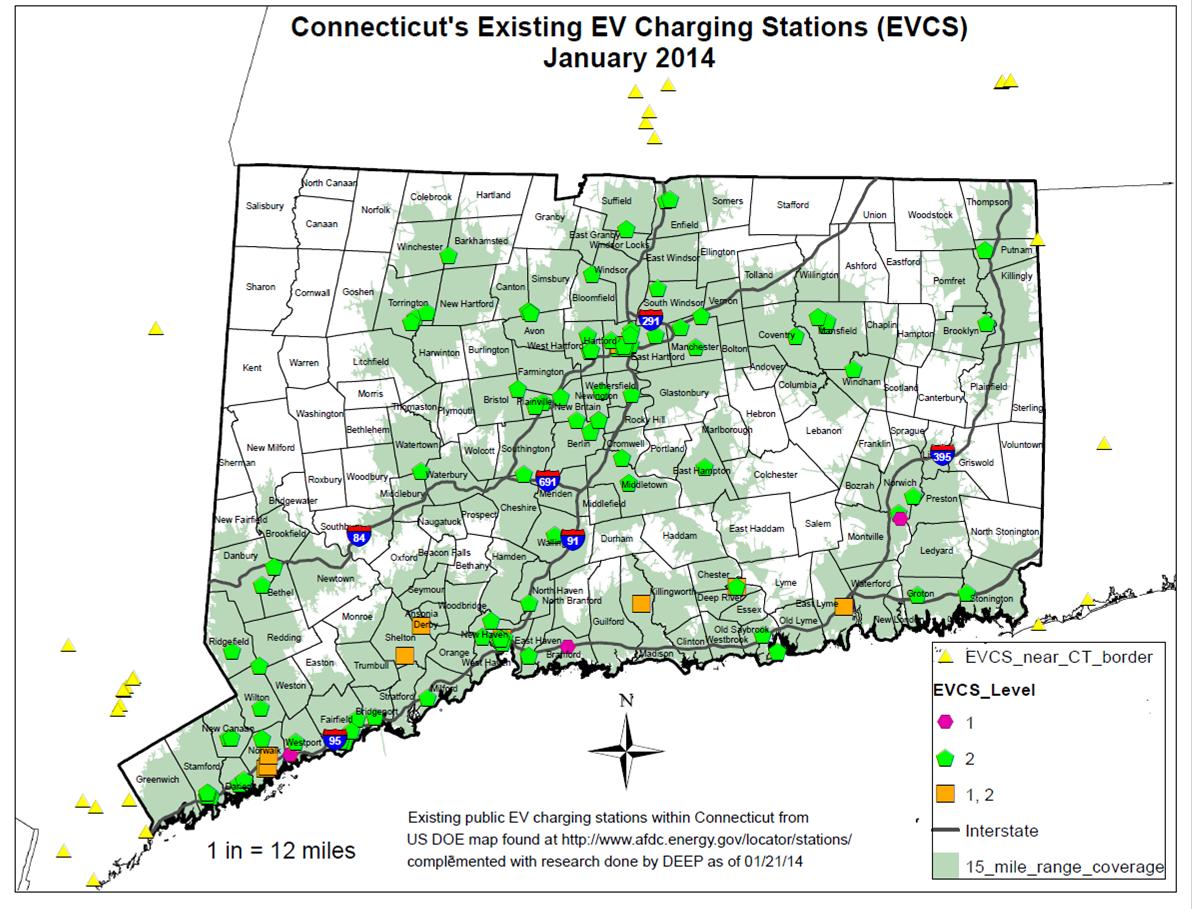
 luding plug-in hybrids – and the other will go to the dealer who sells or leases the most EVs as a percentage of total sales during the period.
 al Protection provides an
 st Century? Join the
  ker series focused on the first-hand perspectives of leaders making a mark in business and the community. The next event at
  hrive? The Lyceum, Hartford
 7 - An Honest Look at Mental Illness, Connecticut Forum, The Bushnell
 ity to learn about the benefits of collaboration which save money and leverage the purchases and agreements for towns. The event will highlight people that are already implementing positive changes. Panel discussions, workshops and Q&A with key leaders and a panel of experts.
 n, president of Environment and Human health, Inc. “It is time for flame-retardants to be removed from all low fire-risk situations and products. As well, a certification program should be established where manufacturers certify the absence of flame-retardants, just as organic food programs certify the absence of pesticides.”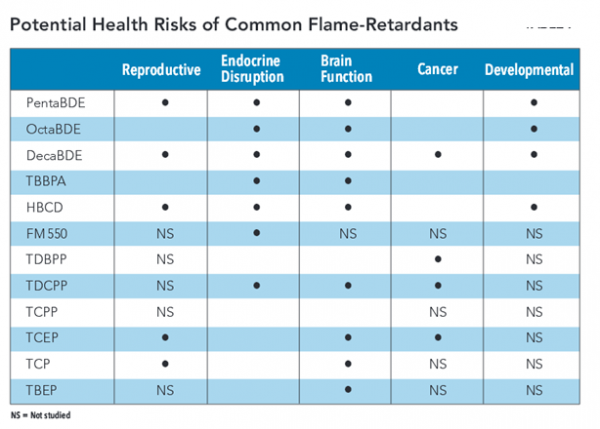
 g human health from environmental harms. EHHI does not receive any funds from businesses or corporations. The organization’s mission is “to conduct research to identify environmental harms affecting human populations, promote public education concerning the relationships between the environment and human health, and promote policies in all sectors that ensure the protection of human and environmental health with fairness and timeliness.
 ,” the report indicated. Then, the shooting at Sandy Hook Elementary School in Newtown on December 14, 2012 provided “a major impetus for lawmakers to propose legislation which would impact children and adults living with mental illness,” the 63-page report indicated.