New CT Law Raises Age, Strengthens Education for Towing People While Boating, Responding to Tragedy
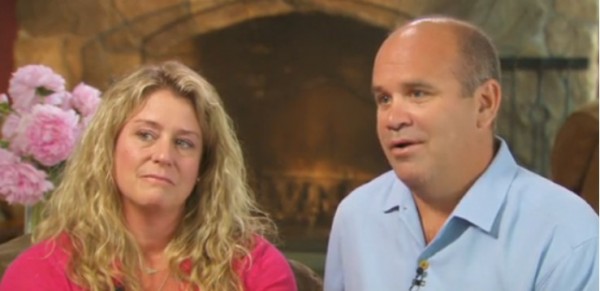
/Emily Fedorko, a 16-year-old from Greenwich who died in a water-skiing related accident last summer, is the namesake of “Emily’s Law,” which, at the urging of her parents, was approved by the state legislature this year and signed into law by Governor Malloy. It prohibits children under-16 from piloting watercraft towing skiers or tubers, raising the age from 13, and requires a related safety course that specifically includes towing instruction.
In testimony before the state legislature’s Environment Committee, which was considering the proposed legislation earlier this year, Emily’s parents, Joseph and Pamela Fedorko, said “What makes this so important is that current boating safety courses have very little on the topic of towing. This includes water skiing, tubing or boarding. Education is the leading way we can teach our young adults safety.”
“Our daughter Emily took her safety course along with my youngest daughter and wife on June 28th, 2014, five weeks before she passed. Emily took intense notes that day. My wife, Pam, can attest that there wasn’t anything taught regarding towing of water sports.”
“Education in the classroom is just part of it. Having the ability to make quick decisions comes with AGE and EXPERIENCE. Towing requires even more. The operator needs to be alert and aware of his/her surroundings. They also need to understand the responsibility of pulling a rider,” the Fedorko’s told legislators.
In addition to urging changes in state law to enhance boating safety, the Fedorko’s formed the Emily Catherine Fedorko Foundation to increase boating education in Connecticut and beyond. The site includes a tutorial video detailing safe towing practices, which the Water Sports Industry Association indicates is the water sports activity with “the most injuries in recent years.” The Foundation also provides a “safe boating packet” that includes a water resistant phone carrier, floating key chain safety tips and ignition switch sticker, all aimed at reminding water craft operators to turn off their engine when towing to enhance safety and prevent potential life-threatening hazards.
This new Connecticut law requires, with limited exceptions, a person who operates a vessel engaged in water skiing to:
- be at least age 16;
- hold a (a) valid U.S. Coast Guard-issued vessel operator license, (b) Department of Energy and Environmental Protection (DEEP)-issued safe boating certificate (SBC) or certificate of personal watercraft operation (CPWO), or (c) a boating safety certificate from a state with a reciprocal agreement with Connecticut; and
- hold a DEEP-issued safe water skiing endorsement obtained after completing safe water skiing instruction.
The bill also prohibits a vessel owner from knowingly allowing someone under age 16 to operate the vessel while engaged in water skiing.
State Senator Scott Franz told his fellow legislators, “currently, a 13 year old with a Safe Boating Certificate is able to take a twin 350 horsepower engine boat out and tow water skiers and tubers. The record is miraculously good, but the risk given the general lack of on-the-water experience for this age group is large. With Senate Bill 699, there would be a requirement of a minimum age of 16 with a towing endorsement in order to legally tow.”
“On August 6, 2014, Emily went out with three of her best friends looking to have fun on the water. As a result of inexperience, she lost her life tubing while her best friend was driving,” her parents told legislators. The Fedorko’s went on to ask: “We allow our kids to get their driving license at 16. This comes with many restrictions. So why wouldn’t we want to add some rules to anyone who is looking to drive a boat while towing someone? Boats don’t have a seat belt or brakes and riders are at the mercy of the operator. The age restriction for towing with a personal watercraft, or Jet Ski, is 16. Why would we not want the same age restriction for a boat with a propeller?”
Legislators answered by approving the proposal, which is now state law. The restrictions and requirements are not in place in other states, and the Emily Catherine Fedorko Foundation is continuing efforts to promote stricter guidelines around the country.
NBC Ne ws recently reported that there were more than 4,000 boating accidents in the U.S. in 2014, citing U.S. Coast Guard statistics. The top three contributing factors, according to the report, were operator inattention, improper lookout and operator inexperience.
According to the United States Power Squadrons (USPS), boating laws and license requirements vary from state to state. Eight states have no mandatory boater education law: Alaska, California, Arizona, Idaho, Wyoming, South Dakota, Arkansas, and Maine. USPS is a nonprofit, educational organization dedicated to making boating safer and more enjoyable by teaching classes in seamanship, navigation and related subjects. The organization was among the agencies and individuals, including the state’s Department of Energy and Environment Protection, that supported approval of Emily’s Law in Connecticut.

 As one example, state officials are working on a plan to replace a swinging bridge over the Norwalk River, built in 1896. "As a piece of engineering, it's just amazing," John Bernick, assistant rail administrator for the state Department of Transportation told the AP. "But, it's certainly reached its retirement age.” The computer that operates the bridge is from the 1980’s, and replacing the bridge could cost as much as $650 million.

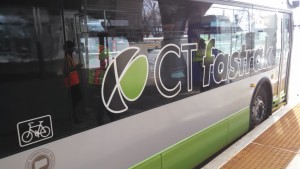 For the first time in the history of the awards program, a state agency was also selected to receive an award. The CT Department of Transportation received a special award for Starting a Revolution: Integration of Land Use and Transit in recognition of the progressive nature of CTfastrak, the bus rapid transit system opened earlier this year. The awards jury that selected the winners gave the award because they felt the new busway represents a cultural shift in how Connecticut views transit, and wanted to acknowledge the future promise of transit oriented development that will hopefully result around the station locations.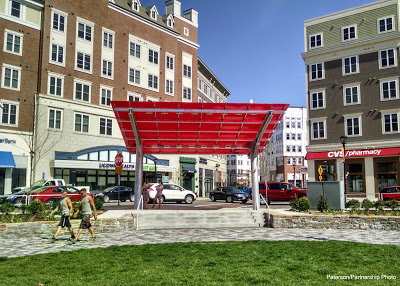



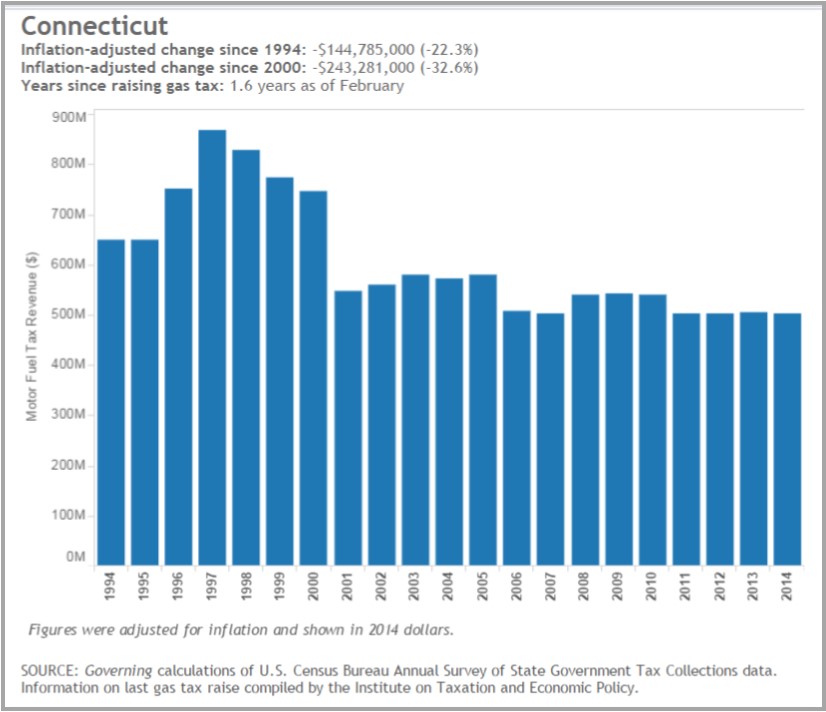 In Connecticut, the inflation-adjusted change is a reduction of in the value of the dollars provided by the tax of 32.6 percent since 2000 and 22.3 percent since 1994, according to the Governing analysis, using data from the U.S. Census Bureau and the Institute on Taxation and Economic Policy. Earlier this year, Governor Malloy announced a two-part transportation plan consisting of a
 tently and robustly in research.” Describing Connecticut as “the home of innovation in engineering,” Esty said that engineers provide “the inspiration to solve the world’s problems.”
 Among the faculty award recipients was Dr. Alfred A. Gates, Professor of Engineering at Central Connecticut State University, whose two decades at the university have been a steady stream of technical innovation and teaching. Gates noted that CCSU has just become the first university in the United States to receive a

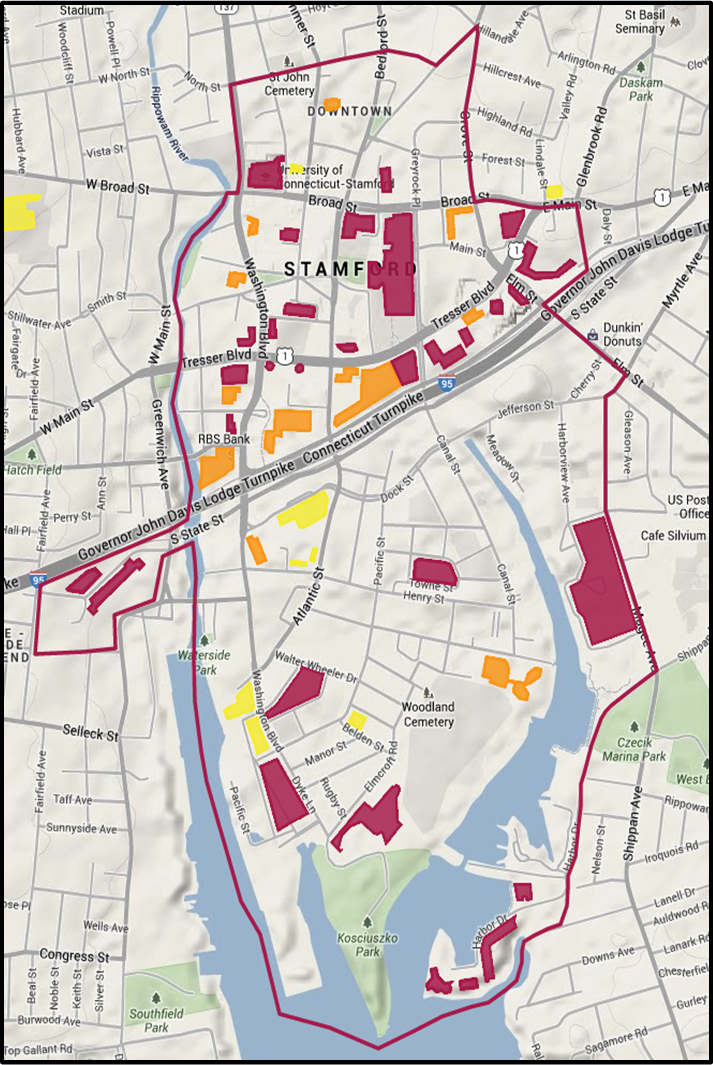 “These collective efforts will establish the Stamford 2030 District as an example of a financially viable, sustainability focused, multi-sector driven effort that maximizes profitability and prosperity for all involved. Through collaboration of diverse stakeholders, leveraging existing and developing new incentives and financing mechanisms, and creating and sharing joint resources, the Stamford 2030 District will prove the business case for healthy and high performing buildings.”
 The Mayors will engage with Administration officials, Congressional leaders business leaders to “ensure the health and economic recovery of America’s cities,” according to program organizers. Vice President Joe Biden is scheduled to address the Mayors on Thursday.
 ttending from Connecticut are Bridgeport Mayor Bill Finch, Bristol Mayor Ken Cockayne, Danbury Mayor Mark Boughton, East Hartford Mayor Marcia Leclerc, Hartford Mayor Pedro Segarra, New Britain Mayor Erin Stewart, New Haven Mayor Toni Harp, Norwich Mayor Deberey Hinchey, Shelton Mayor Mark Lauretti, Stamford Mayor David Martin, Stratford Mayor John Harkins, Trumbull First Selectman Timothy Herbst and Waterbury Mayor Neil O’Leary.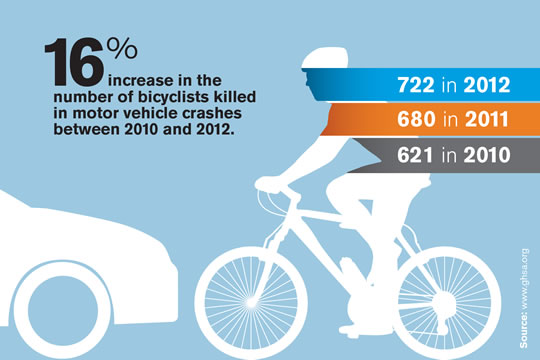
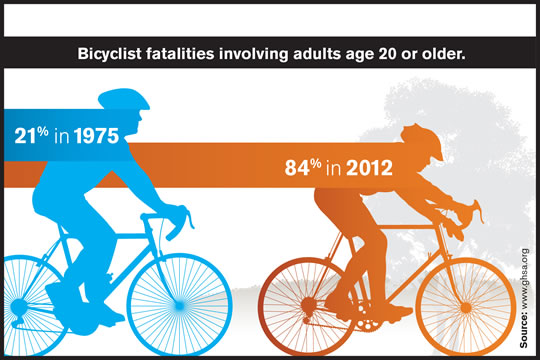
 The new GHSA report indicated that in many states and urban areas, engineering measures are being adopted to accommodate bicycles on the road, “with the dual aim of protecting cyclists from collisions with motor vehicles, while encouraging cycling for its health and environmental benefits.”
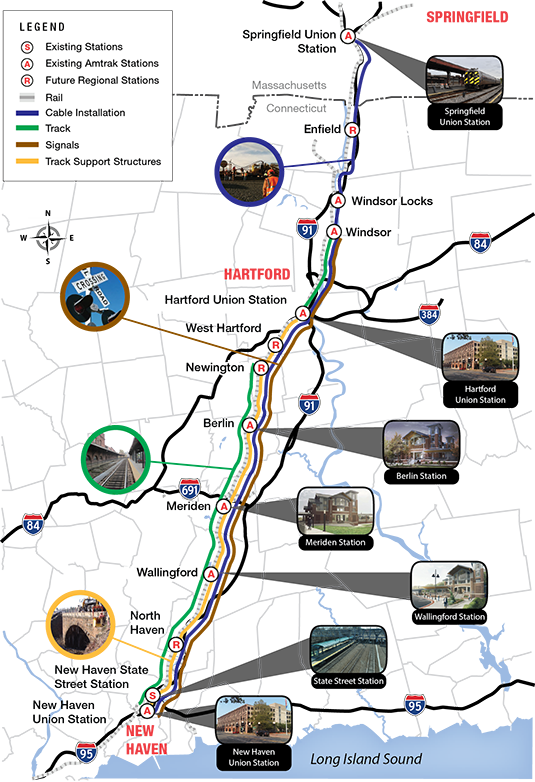
 The Bureau of Transportation Statistics (BTS) included the data in