

UConn Brings Science to Downtown Hartford, In Informal Preview
/A couple of drinks, some munchies and spirited discussion about an unlikely topic, “3D Printing: Living Tissue to Human Organ.” That was the recipe for the kick-off of a new panel series in downtown Hartford sponsored by UConn and the UConn Foundation aimed at facilitating conversations between science experts and the public.
The “UConn Science Salon” series, taking place at downtown restaurants, is a precursor of the type of programming that is expected to pop up around the city when the UConn Hartford Campus takes up residence in the former Hartford Times building two years from now, just down the road from Front Street, where the June 4 event was held at Nix.
The next event in the series, “SciFi Meets Reality,” will be held in Hartford on Sept. 17, from 6 to 8 p.m., at a location to be determined.
University Communications science writer Kim Krieger says UConn Science Salon series gives attendees easy access to top scientists and experts and “raise the profile of UConn research in a friendly, stylish way. The purpose of the program is to enhance public discourse at the intersection of science and culture,” she told UConn Today. “Sure, people can read about research and technological developments, or watch some talking head opine about it on television. But how often does the average citizen get to ask a scientist a question?”
The initiative is not unique, but it is new for UConn, and Hartford.
“The goal is to share exciting developments in technologies through an engaging and interactive format,” UConn Provost Mun Choi. “The insights from leading experts will lead to a greater understanding of the role of science and technology in our society.”
Science cafés are held all over the world, according to sciencecafes.org, a site run by NOVA as a resource for those interested in hosting or attending such events. The events, which have been around for about a decade, are typically casual gatherings held in places like coffeehouses, pubs, and libraries, and are focused on facilitating discussions about science. In Connecticut, New Haven and Branford have seen science cafés.
“These are not long lectures with a passive audience listening to an expert,” the site points out. “Rather, they are dynamic, two-way interactions between a scientist and the public. In this way, the public feels empowered to learn, and the scientist speaker gains valuable perspective on his or her own work.”
Provost Choi adds that attendees will see how “UConn is playing a critical role in advancing science and engineering in areas such as genomics, manufacturing, and sustainability,” UConn Today reported. The June discussion focused on state-of-the-art initiatives in 3D printing and the potential for the technology – also known as additive manufacturing – particularly in the field of health care.
Panelists at the inaugural event, attended by about 120 alumni, faculty, staff and members of the public, were Anson Ma, a UConn assistant professor of chemical and biomolecular engineering; Richard Langlois, a UConn economics professor; Dr. John Geibel, vice chairman of the Department of Surgery and director of surgical research at Yale University School of Medicine, who leads one of seven global teams competing to create a viable regenerative or bioengineered liver; and Dale Kutnick, senior vice president emeritus and distinguished analyst at the technology research firm Gartner Inc. Lakshmi S. Nair – UConn assistant professor of orthopaedic surgery and chemical, materials, and biomolecular engineering – moderated the discussion.
Tickets for the events are $15 and can be purchased at UConnAlumni.com/ScienceSalon. Drinks are extra.
(UConn photos by Peter Morenus)

 “We are equally fortunate in bringing Daniel Mackay to the Trust. Dan has tremendous experience, vision and a passion for historic preservation. We also know that he will nurture the relationships of the Trust with the Governor's office, our legislature and the other organizations we partner with. We are very excited for a bright future led by Daniel.”





 “Studies show that kids who are physically active have higher test scores, are more likely to go to college, and smoke and drink less,” he added. ”Sports can also help build life skills, including enhancing self-esteem, unifying teams and driving social inclusion. By driving support to entities enhancing access to sports, we can help.”
 er on the Kansas state assessments than non-athletes, in all subject areas. They are clearly learning something in their classes.”
 will also receive professional guidance and mentorship from TFI staff and select media professionals. Along with the monetary grant, the three filmmaking teams will participate in a two-day workshop in the fall with activities tailored to their needs and culminating with an industry showcase to both celebrate their work and introduce them to the filmmaking community at large.

 As one example, state officials are working on a plan to replace a swinging bridge over the Norwalk River, built in 1896. "As a piece of engineering, it's just amazing," John Bernick, assistant rail administrator for the state Department of Transportation told the AP. "But, it's certainly reached its retirement age.” The computer that operates the bridge is from the 1980’s, and replacing the bridge could cost as much as $650 million.

 The July event is part of a year-long effort to listen, learn, and share with older adults, their families, their caregivers, community leaders, and experts in the aging field on how to best address the changing landscape of aging in the coming decade, officials said. Since the 1960’s the

 ment; how to remain healthy as we age; what types of services and supports can help older Americans remain independent in the community as we age; and how to support this care and the caregivers who provided it; and how to protect older Americans from financial exploitation, abuse and neglect.


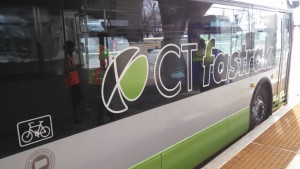 For the first time in the history of the awards program, a state agency was also selected to receive an award. The CT Department of Transportation received a special award for Starting a Revolution: Integration of Land Use and Transit in recognition of the progressive nature of CTfastrak, the bus rapid transit system opened earlier this year. The awards jury that selected the winners gave the award because they felt the new busway represents a cultural shift in how Connecticut views transit, and wanted to acknowledge the future promise of transit oriented development that will hopefully result around the station locations.

 mework, or take an elderly parent to a doctor’s appointment.” In half of all families with children, women are the primary or co-breadwinner, the report indicates, and low-income families are particularly likely to have all parents in the labor force.

 The analysis pointed out that nationally “many workers lack access to even the most basic supports such as earned sick days and job-protected paid parental leave. Quality child care is also out of reach for many families because it is not affordable. Women are the large majority of family caregivers, and in the absence of reliable family supports, too many women are forced to make difficult decisions between keeping their jobs and caring for their family members.”
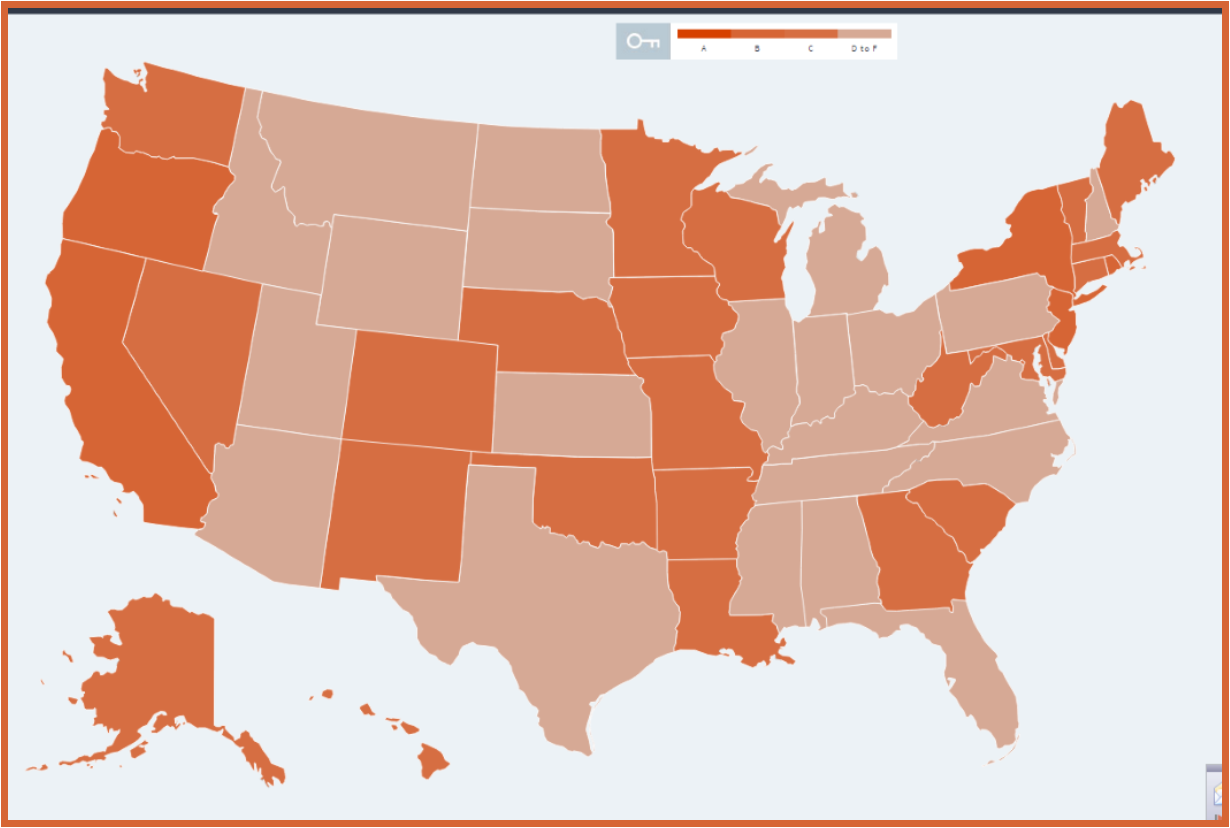 (U.S. Department of Labor Women’s Bureau 2015). The report indicates that Connecticut has 392,974 “breadwinner mothers in households with children under 18,” using 2013 data, ranking the state 25th in the nation at 29 percent.
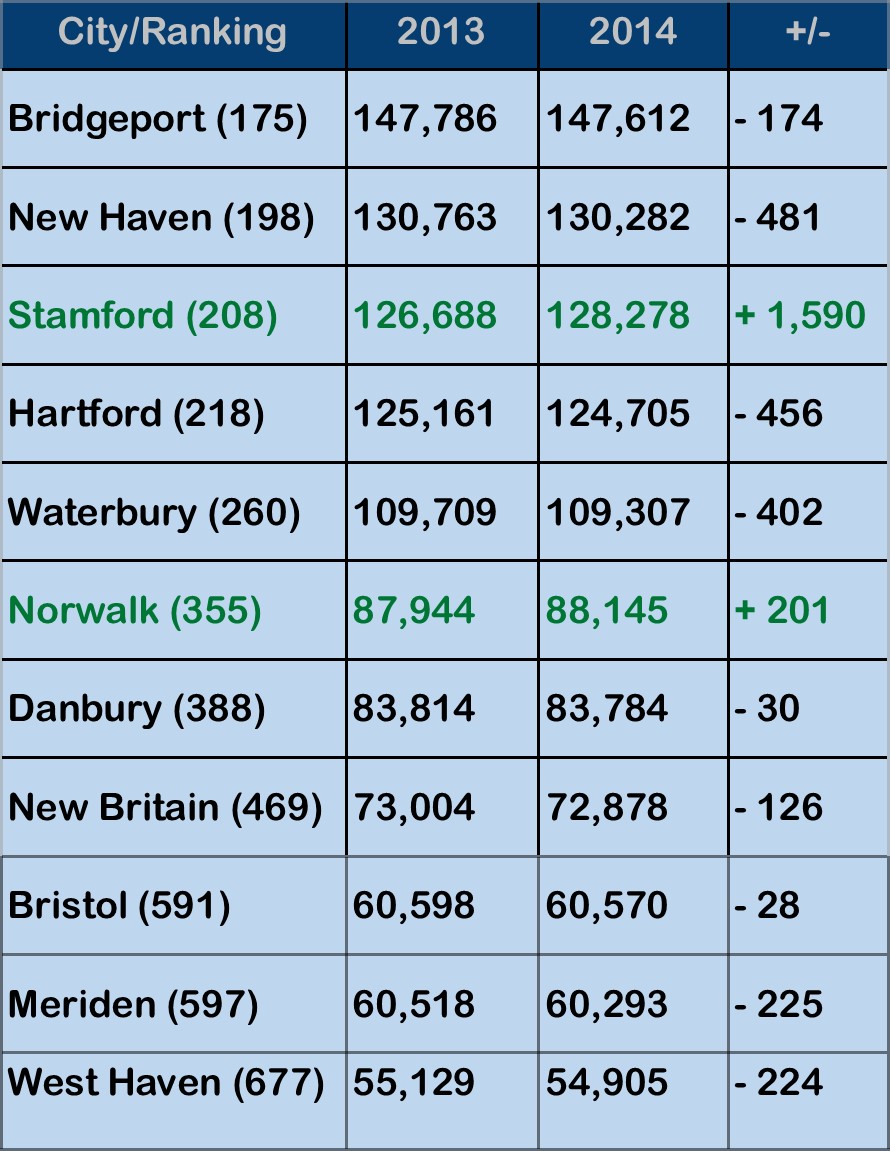 Over the past four years, population also grew in Hartford, New Haven, Stamford, Danbury and Norwalk, but declined in some of the state’s other large municipalities, including Waterbury, New Britain, Meriden and West Haven.
 wed the gap between the two cities to 2,004. Just four years ago, the population differential was 7,075. Stamford passed Hartford to rank as the state’s third largest city three years ago.
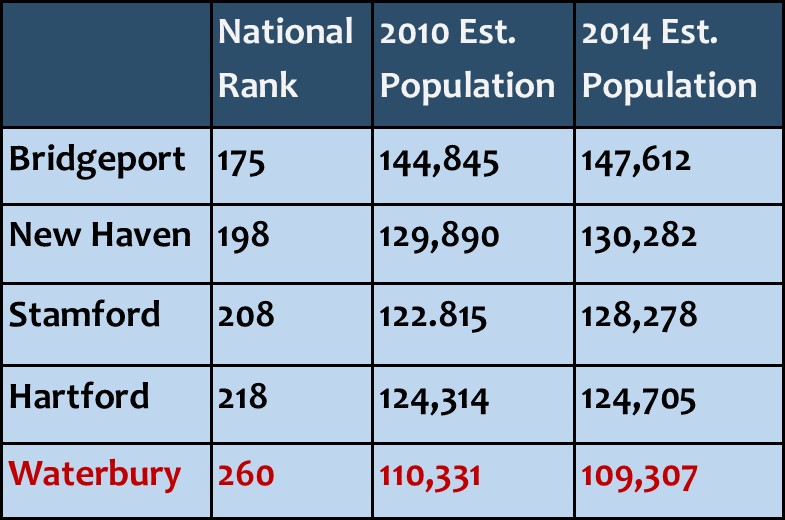 according to the census data, while Bristol (number 591) saw a slight uptick of just under 100 residents, from 60,477 to a 60,570. Meriden (number 597) saw population slip from 60,868 to 60,293. West Haven, the 677th most populous city in the nation, also experienced a drop in populations, from 55,565 to 54,905.

 The organization also accepts




















