
Yale, UConn Among Top 100 in R&D Expenditures, Federal Data Shows
/Yale University and the University of Connecticut both rank in the top 100 higher education institutions in the level of expenditures for research and development (R&D), according to data compiled by the National Science Foundation.
Yale ranked at #21 and UConn at #86 in the rankings for fiscal year 2013, in the Higher Education Research and Development Survey compiled by the NSF and the National Center for Science and Engineering Statistic s.
 The top 10 institutions are Johns Hopkins, University of Michigan (Ann Arbor), University of Washington (Seattle), University of Wisconsin (Madison), University of California (San Diego), University of California (San Francisco), Harvard, Duke, University of North Carolina (Chapel Hill) and University of California (Los Angeles).
Among local colleges and universities in addition to Yale and UConn, nine other institutions in Connecticut appeared in the national rankings, including Fairfield University at #343 and Wesleyan University at#348. Southern Connecticut State University ranked #522, Connecticut College ranked #531, University of Hartford ranked #535,Trinity College ranked #536 and Central Connecticut State University at #552. In addition, University of New Haven ranked #575, and Quinnipiac University #611 in the analysis that reported 645 higher education institution R&D expenditures.
The Higher Education Research and Development Survey is the primary source of information on R&D expenditures at U.S. colleges and universities, according to the NSF website.
 The survey collects information on R&D expenditures by field of research and source of funds and also gathers information on types of research and expenses and headcounts of R&D personnel. The survey is an annual census of institutions that expended at least $150,000 in separately budgeted R&D during the fiscal year.

UConn’s R&D expenditures, $242,251,000 in fiscal year 2013 according to the data, has increased from $215,098,000 in 2004. At Yale University, R&D spending has nearly doubled - growing from $423,664,000 to $788,784,000 during the same period.
Such R&D spending often is seen as a gauge of innovation in a state, because research can turn into technology transfer or new companies and the quality of research can attract top students, the Bangor Daily News has reported.
Overall across the country, university spending on research and development in all fields totaled $67.2 billion in FY 2013, according to data from the NSF Higher Education Research and Development Survey.
When adjusted for inflation, higher education R&D increased by less than half a percent in FY 2013 from the previous year, according to NSF. Officials noted that the overall amount represents the reported totals from 891 degree-granting institutions that spent at least $150,000 in R&D in the previous fiscal year.
The published survey results include the 645 institutions that reported at least $1 million in R&D during their previous fiscal year and who contributed 99.8 percent of the total R&D expenditures reported in FY 2013. The data was released by the NSF in late February 2015.
Note: this article was revised to include a number of Connecticut institutions inadvertently omitted in initial publication.


 iagnose, treat, and ultimately, cure NEC. Named after Morgan, it celebrates his survival, courage and strength. Morgan and his twin brother were born at 28 weeks, nearly three months early and each weighing less than 2.5 pounds. At four days old, Morgan developed NEC and lost approximately 20 percent of his small intestine. Morgan not only survived but has also thrived since his bout with NEC. The fund is his family’s way of paying it forward.




 “Hopefully this program will be a model for the rest of state,’’ Snedaker said. “Parents will now know their young children will have some of the same protections that benefit public middle and high school athletes.” In Norwalk, the newly approved guidelines had received support for the Norwalk Youth Football and Cheer, Norwalk Junior Soccer Association, Norwalk Cal Ripkin Baseball, Norwalk Little League and Norwalk Junior Lacrosse, according to the SportsCAPP website.

 The report also suggests that policy makers “explore the possibility of incenting employer-based long-term care insurance coverage.” In 2009 almost 25,000 employers in the U.S. offered long-term care insurance to their employees – just 35 percent of the 7.5 million insurance policies in effect. In addition, the report encourages the Connecticut Congressional delegation to support a federal tax deduction for long-term care insurance, and urges policy makers to consider making reverse mortgages “a more viable option.”
 The

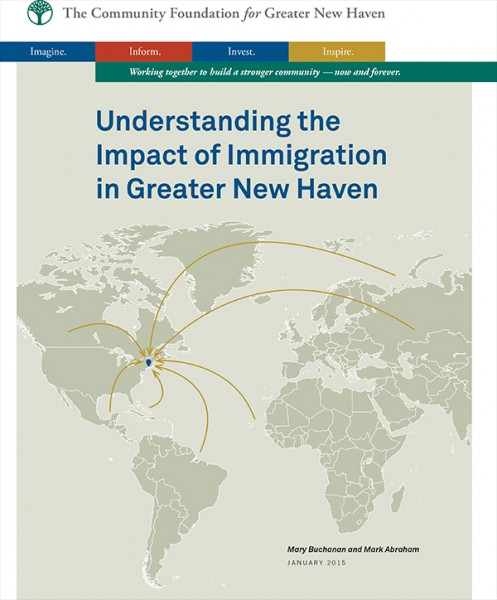
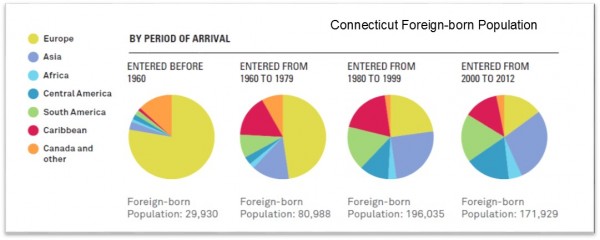
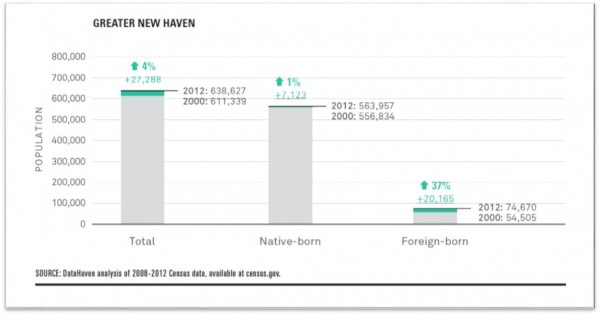 In New Haven’s neighborhoods in particular, the boost in immigrants has revitalized communities and spurred new businesses. From 1970 to 1990, the foreign-born population in most New Haven neighborhoods remained flat or declined, and these neighborhoods suffered from overall population decline—similar to other central city neighborhoods in post-industrial cities. Since 1990, the report found, the foreign-born population in many city neighborhoods has rebounded sharply, particularly in areas such as Edgewood, West River, Fair Haven, and the Hill. These areas have seen a large influx of population and business overall.
 Western Connecticut State University has the state's only meteorology program, which was run for many years by WTNH-TV meteorologist Dr. Mel Goldstein. The WCSU website is chock full of

 . Students in the bachelor's program earn credits while performing TV/radio weathercasts or doing real-time forecasting for clients in the university's on-campus Weather Center, according to the WCSU website.
 The Mayors will engage with Administration officials, Congressional leaders business leaders to “ensure the health and economic recovery of America’s cities,” according to program organizers. Vice President Joe Biden is scheduled to address the Mayors on Thursday.
 ttending from Connecticut are Bridgeport Mayor Bill Finch, Bristol Mayor Ken Cockayne, Danbury Mayor Mark Boughton, East Hartford Mayor Marcia Leclerc, Hartford Mayor Pedro Segarra, New Britain Mayor Erin Stewart, New Haven Mayor Toni Harp, Norwich Mayor Deberey Hinchey, Shelton Mayor Mark Lauretti, Stamford Mayor David Martin, Stratford Mayor John Harkins, Trumbull First Selectman Timothy Herbst and Waterbury Mayor Neil O’Leary.


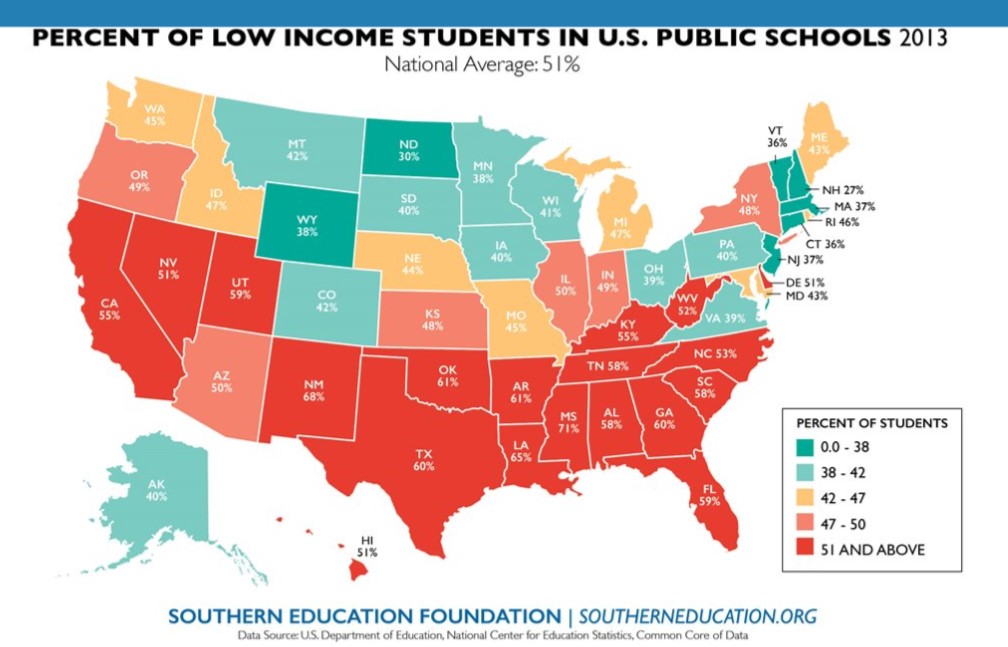
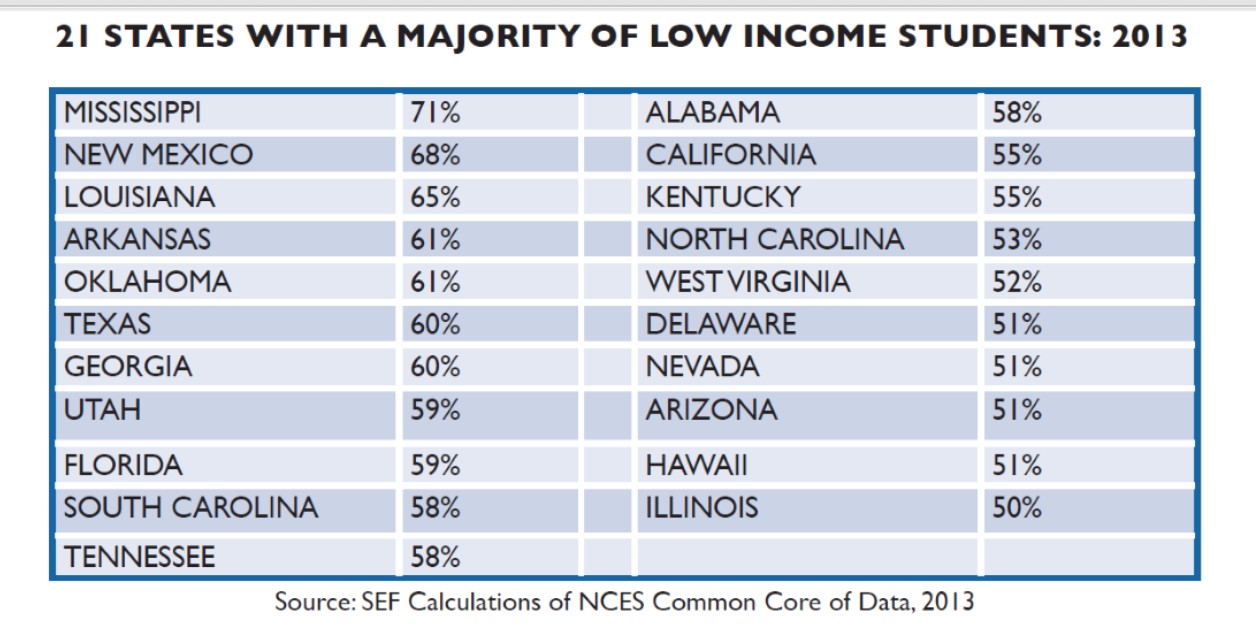 hat “The trends of the last decade strongly suggest that little or nothing will change for the better if schools and communities continue to postpone addressing the primary question of education in America today: what does it take and what will be done to provide low income students with a good chance to succeed in public schools? It is a question of how, not where, to improve the education of a new majority of students.”