
Signatures Sought: Libraries Make A Stand At State Capitol
/
The Connecticut Library Association, working in conjunction with the Connecticut State Library and the Connecticut Library Consortium, will mark National Library Week at the State Capitol on Wednesday, April 16. They will be “bringing the Declaration for the Right to Libraries to life by visually illustrating its ten principles” – and looking for indiviuals to sign the declaration, which is part of a year-long initiative of the American Library Association.
The effort in Connecticut is aimed at legislators, other elected officials, and visitors who walk the Capitol’s concourse – offering displays of “powerful, living examples of the work that is currently taking place 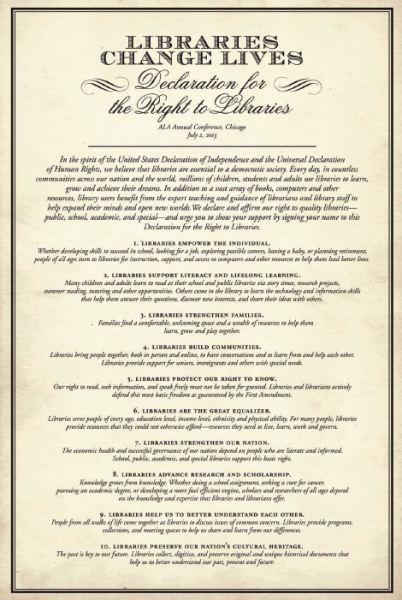 in Connecticut libraries and why it is so important that they continue to support our institutions,” officials said.
The Declaration states that “In the spirit of the United States Declaration of Independence and the Universal Declaration of Human Rights, we believe that libraries are essential to a democratic society.”
The ten principles include:
- Libraries Empower the Individual - Whether developing skills to succeed in school, looking for a job, exploring possible careers, having a baby, or planning retirement, people of all ages turn to libraries for instruction, support, and access to computers and other resources to help them lead better lives.
- Libraries Support Literacy and Lifelong Learning - Many children and adults learn to read at their school and public libraries via story times, research projects, summer reading, tutoring and other opportunities. Others come to the library to learn the technology and information skills that help them answer their questions, discover new interests, and share their ideas with others.
- Libraries Strengthen Families - Families find a comfortable, welcoming space and a wealth of resources to help them learn, grow and play together.
- Libraries are the Great Equalizer - Libraries serve people of every age, education level, income level, ethnicity and physical ability. For many people, libraries provide resources that they could not otherwise afford – resources they need to live, learn, work and govern.
- Libraries Build Communities - Libraries bring people together, both in person and online, to have conversations and to learn from and help each other. Libraries provide support for seniors, immigrants and others with special needs.
- Libraries Protect Our Right to Know - Our right to read, seek information, and speak freely must not be taken for granted. Libraries and librarians actively defend this most basic freedom as guaranteed by the First Amendment.
- Libraries Strengthen Our Nation - The economic health and successful governance of our nation depend on people who are literate and informed. School, public, academic, and special libraries support this basic right.
- Libraries Advance Research and Scholarship - Knowledge grows from knowledge. Whether doing a school assignment, seeking a cure for cancer, pursuing an academic degree, or developing a more fuel efficient engine, scholars and researchers of all ages depend on the knowledge and expertise that libraries and librarians offer.
- Libraries Help Us to Better Understand Each Other - People from all walks of life come together at libraries to discuss issues of common concern. Libraries provide programs, collections, and meeting spaces to help us share and learn from our differences.
- Libraries Preserve Our Nation’s Cultural Heritage - The past is key to our future. Libraries collect, digitize, and preserve original and unique historical documents that help us to better understand our past, present and future.
Based in Middletown, the Connecticut Library Association is Connecticut's 1,000 member strong professional organization of librarians, library staff, friends, and trustees working together to improve library service, advance the interests of librarians, library staff, and librarianship, and increase public awareness of libraries and library services.
There are 165 “principal” public libraries in Connecticut’s 169 towns (four towns are served by libraries in neighboring towns), as well as 27 additional libraries and 47 branch libraries in communities across the state. A list of public libraries in Connecticut is available at http://www.ctstatelibrary.org/dld/files/community/connecticut-public-librar
 people would prefer that companies be limited to marketing to consumers only once a year.
 valuating schools’ veteran-focused operations, the publication considered more than a dozen different measures of academic success, quality and rigor, as reported by schools and the Education Department, to develop the rankings.

 n benefits, BAH and book stipends from the VA.
 de by women at small and midsize museums” (often university or contemporary art institutions) where women hold nearly half of the directorships and earn on a par with men. Just five of the 33 most prominent art museums are led by women.


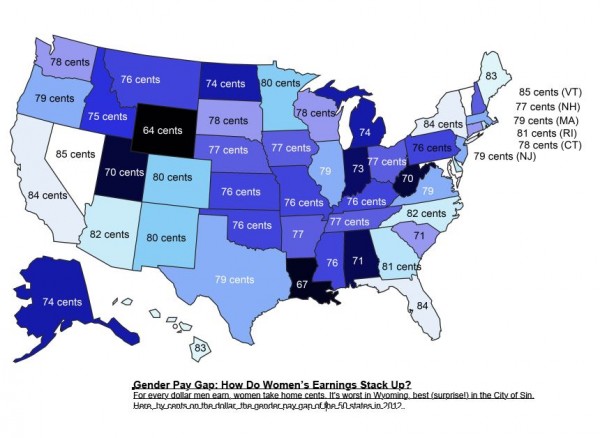 ogress is reflected in the total of 16 states in which women are now earning 80 cents or more to every male dollar, twice the count of 2010.
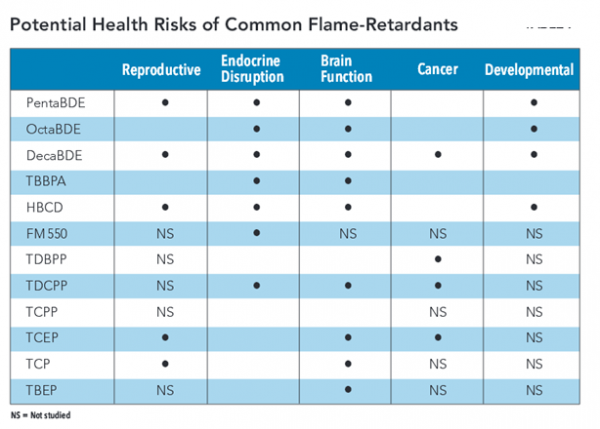
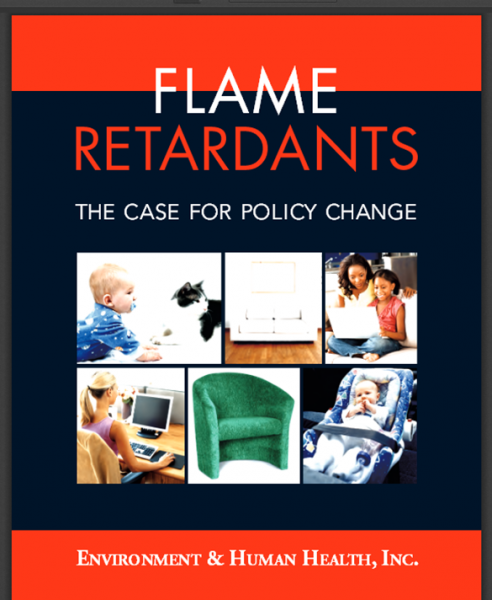 n, president of Environment and Human health, Inc. “It is time for flame-retardants to be removed from all low fire-risk situations and products. As well, a certification program should be established where manufacturers certify the absence of flame-retardants, just as organic food programs certify the absence of pesticides.”
 g human health from environmental harms. EHHI does not receive any funds from businesses or corporations. The organization’s mission is “to conduct research to identify environmental harms affecting human populations, promote public education concerning the relationships between the environment and human health, and promote policies in all sectors that ensure the protection of human and environmental health with fairness and timeliness.
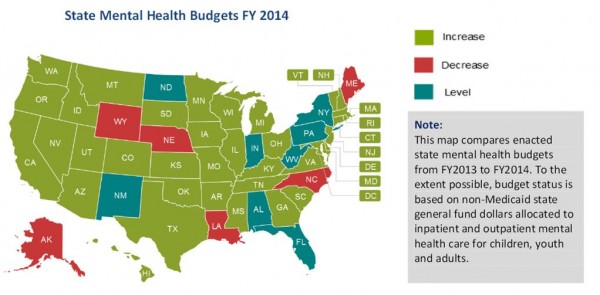
 ,” the report indicated. Then, the shooting at Sandy Hook Elementary School in Newtown on December 14, 2012 provided “a major impetus for lawmakers to propose legislation which would impact children and adults living with mental illness,” the 63-page report indicated.
 013. Only Rhode Island lost population (1,056 people) during the period, and the Southern and Western states accounted for more than 80 percent of the growth nationwide.
 from 114,555,744 in 2010 to an estimated 118,383,453 in 2013. The West was close behind, with a 3.2 percentage-point growth during the period, from 71,945,553 in the 2010 Census to an estimated 74,254,423 in July 2013.

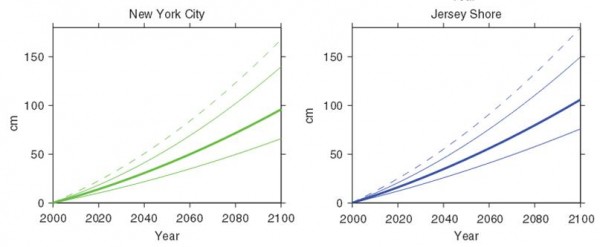
 That would mean that by the middle of this century, the one-in-10 year flood level at Atlantic City, for example, would exceed any flood level seen previously, including the natural disaster that was Superstorm Sandy. The scientists suggest, based on their research, that “planners should account for rising sea levels,” noting that “where the consequences of flooding are high, prudent planning requires consideration of high-end projections” outlined in their study.
 . “I believe that the projections for bedrock locations are applicable throughout Connecticut,” said Miller, a professor of earth and planetary sciences in Rutgers' School of Arts and Sciences.
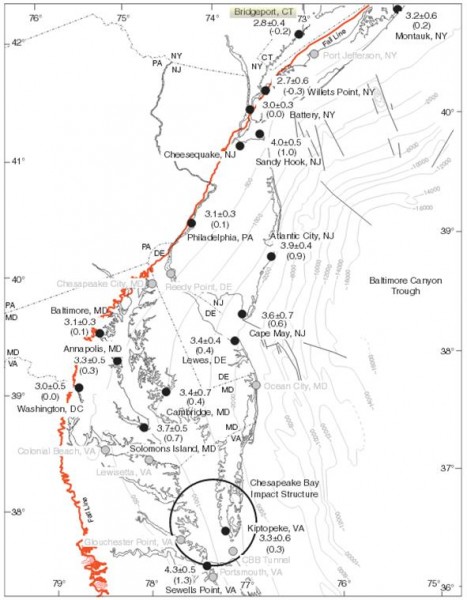
 vel rise in the mid-Atlantic region also results from changes in ocean dynamics. The researchers said sea-level rise could be higher -- 2.3 feet by mid-century and 5.9 feet by the end of the century -- depending on how sensitive the Gulf Stream is to warming and how fast the ice sheets melt in response to that warming.
 c organization representing more than 62,000 members in 144 countries.