Safety in Sharing the Road Urged for Drivers, Cyclists, Pedestrians
/Bike Walk Connecticut, the statewide organization that works for active transportation and making Connecticut a better place to bike and walk, has released a new brochure to remind drivers, cyclists, and pedestrians on the rules for sharing the road, as the organization prepares for its annual fundraising dinner and awards ceremony. Entitled Give Respect, Get Respect: Share the Road, Connecticut, the brochure is available for download at www.bikewalkct.org. Connecticut's roads are traveled by walkers, runners, and cyclists who are welcome and expected to use the roads for transportation, fitness, and recreation, the organization emphasizes.
 Marking the launch of the new Share the Road campaign, this year's featured speaker is Colleen Kelly Alexander. Bike Walk Connecticut officials describe her remarkable story: After undergoing brain surgery in 2007 for a chiari malformation, Colleen overcame a lupus and cryoglobulinemia diagnosis in 2009, pushing forward to become a successful, competitive triathlete. In 2011, while on a routine bike ride, she was run over by a freight truck. Crushed, ripped apart and bleeding out, she flatlined twice, spent five weeks in a coma and has since endured over twenty surgeries. Defying diagnoses, dire predictions and death, Colleen stunned doctors by bucking the odds and coming back to run more than 50 races and complete 15 triathlons, including 4 half Ironman events since her trauma. Colleen and husband Sean Alexander were elected to the Bike Walk Connecticut board of directors in 2015.
The annual event will be held November 20 at Central Connecticut State University. Proceeds fund Bike Walk Connecticut's work to make Connecticut "a great place to bike and walk." Regarding the Share the Road initiative, Bike Walk Connecticut officials point out that "with common courtesy, common sense, and respect for the rules to share the road, Connecticut's roads can be safer for everyone." The brochure urges state residents to “please do your part whether you're driving, cycling, walking, or running.” The brochure includes the following guidelines:
For Drivers:
- Please slow down. Obey speed limits. A pedestrian hit by a car going 40 mph has an 85% chance of being killed. At 20 mph the risk is 5%. Drive at a speed that's safe for all.
- Expect cyclists, walkers, runners and others on the road.
- Yield to pedestrians at or in any crosswalk. It's been the law since 1978, but it's not widely observed in Connecticut. Every intersection is a crosswalk, even if it's not marked. "Yield" means slow down or stop.
- Come to a complete stop at stop signs and red lights. Be vigilant at intersections.
- Signal your turns and look both ways before changing lanes, turning, and at driveways.
- Expect the unexpected around curves and over hills, where visibility is limited.
- Let cyclists ride as far to the right as is safe. Cyclists should ride as far to the right as they judge to be safe. Give them space to avoid hazards like potholes, debris and drain grates.
- Expect cyclists in the travel lane. Cyclists may ride in or near the middle of the travel lane when it's not safe to ride on the far right side of the road. Cyclists should ride in the travel lane to avoid hazards and when the road is too narrow for cars and bikes to proceed safely side by side.
- Pass with care. Give cyclists at least 3 feet. It's the law since 2008. Keep at least 3 feet of space between your vehicle and a cyclist. You may cross the center line to pass a cyclist if it's safe.
- Mind the door zone. Check for approaching cyclists before opening your car door so you don't hit them.
- Avoid distracted driving, aggressive driving, and driving under the influence of alcohol or drugs.
- 2014 Vu
 lnerable User Law Mandates $1000 Fine. Connecticut requires a fine of up to $1000 on drivers who cause the death or serious injury of a pedestrian, cyclist or other vulnerable road user who used reasonable care.
For Cyclists:
Bike Walk Connecticut urges all cyclists to be good ambassadors for cycling and always follow these rules to share the road in Connecticut. Cyclists who follow the rules of the road are visible, predictable, safer, and earn respect from other road users.
- Follow the rules of the road. Obey stop signs and traffic signals. Ride on the right in the direction of traffic. Riding on sidewalks is prohibited in many Connecticut towns.
- Ride as far to the right as is safe. If there's no bike lane, ride in the travel lane when necessary for your safety. The extreme right edge of the road isn't always the safest place to ride. Riding in the travel lane makes it easier for drivers to see you and reduces the chance that a driver may pass too close.
- Be visible. Always ride with lights at night. Wear bright clothes during the day and reflective materials at night. For night riding, Connecticut requires a headlight visible from at least 500 feet and a red tail light visible from 600 feet.
- Be predictable. Ride in a straight, predictable manner. Don't weave, swerve, or stop suddenly.
- Signal all turns. Use proper hand signals in advance to tell others where you are going.
- Ride single file in traffic. You may ride two abreast if traffic can pass you safely. Common courtesy usually requires riding single file in traffic, except when passing others.
- Stay out of the "door zone." Ride 3-4 feet away from parked cars so you don't get hit by an opening car door.
- Alert others that you're approaching or passing. Allow plenty of space when passing others. Cyclists must yield to pedestrians in or at crosswalks.
- Don't ride distracted. Distracted riding is dangerous riding. Wait to use your cellphone until you're off the road. Riding with headphones is unsafe if you're distracted and can't hear other road users.
- Wear a helmet correctly on every ride.
 For Pedestrians:
- Be aware. Watch for cars that are turning, at driveways, or backing up. Never assume a driver sees you or will stop or slow down at an intersection.
- Use sidewalks. No sidewalk? Walk facing traffic.
- Use crosswalks and obey crosswalk signals. No Crosswalk? Yield to Traffic.
- Be Alert. Don't be distracted by devices that take your eyes and ears off the road, especially at intersections. Distracted walking is dangerous walking.
- Be Visible.
- Wear Bright, Reflective Clothing.
- Runners are Pedestrians Too. Like walkers, runners should run against traffic, cross at crosswalks whenever available, and obey crosswalk signals.

 ncing or purchasing a home in the next six months dropped from by one-third, from 18 percent in the first quarter of the year to 12 percent by the end of the third quarter. Interestingly, buying a car appears immune to economic outlook – the percentage who anticipate that purchase in the next six months has been nearly identical in each quarterly survey this year.
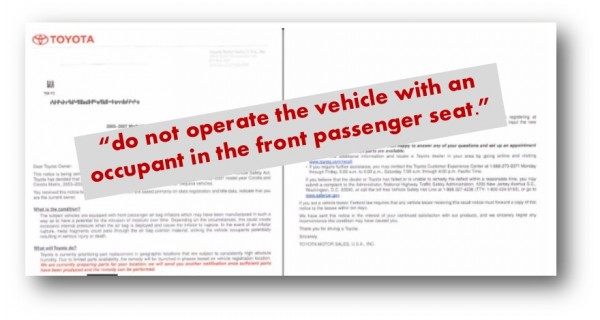
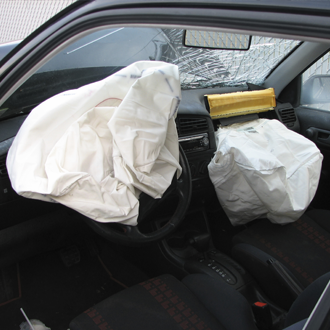
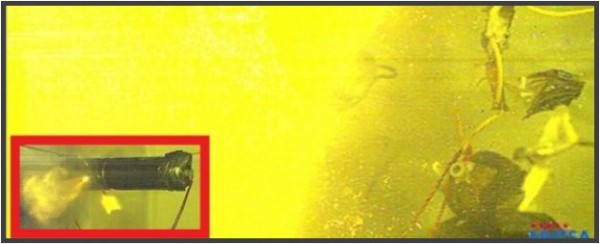 The company, and impacted automakers, are making parts necessary to accomplish repairs available in regions of the country with humid climates first, because humidity has been said to increase the risk of air bag rupture. Connecticut residents, living in a region not known for its humidity, are not a priority for the repair, and continue to wait for word when repairs for their recalled vehicles can be made.



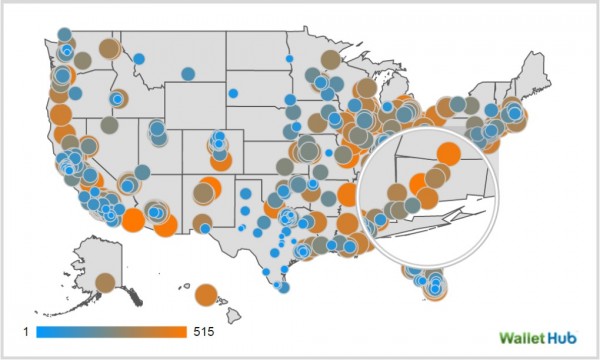 Joan Fitzgerald, Professor of Public Policy and Urban Affairs at Northeastern University, told WalletHub: “It is not an accident that many of the fastest growing cities have thriving high tech and biotech sectors along with financial services and usually a strong health care sector. But another priority has to be balance. In many cities, manufacturing loses out over other uses.”
 sustainable lifestyle beverate brand for teens and tweens. The company's goal is to inspire young people to realize the power of consumer choices to effect social and environmental change.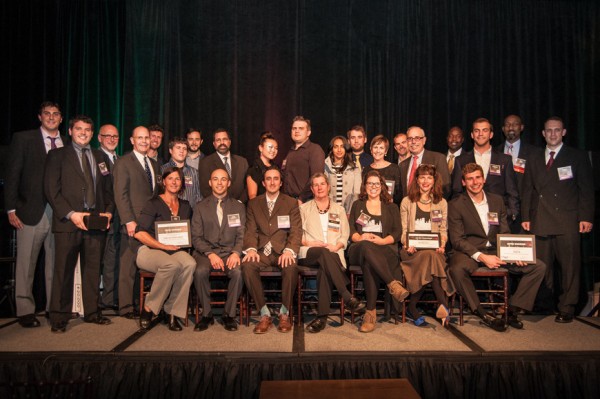
 The five awards judges - Sherrell Dorsey of Uber and Triple Pundit, Adam Dotson of Ironwood Capital, Claire Leonardi, an advisor to reSET's Social Enterprise Investment Fund and former CEO of Connnecticut Innovations, Anthony Price of LootScout and Paul Witinski of Ironwood Capital - narrowed down more than 100 applicants to 12 honorees. The People’s Choice winner was selected via more than 1,800 online votes.
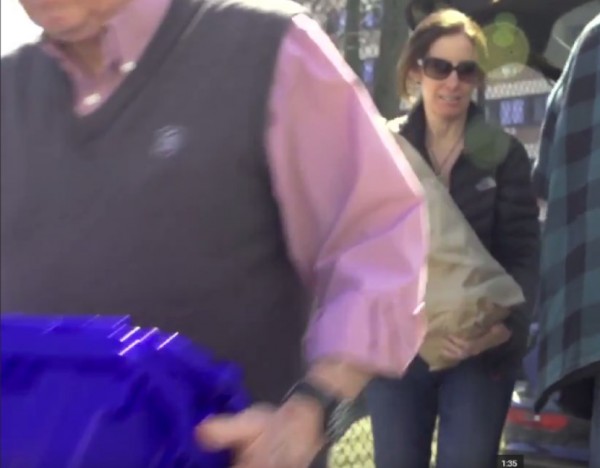
 The organization is driven by volunteers – food donors, food runners and partner agencies. One such agency in Connecticut is the Manchester Area Conference of Churches, which indicates there are 8,000 food-insecure people in the greater Manchester area.
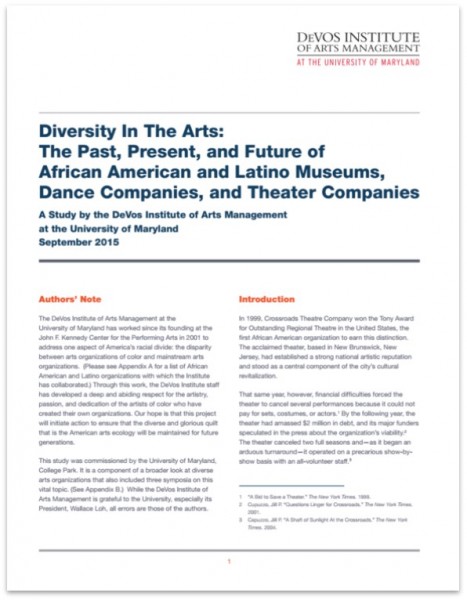
 A survey to which 29 of the 60 black and Latino arts groups in the study replied showed that the median percentage of donations coming from individuals was 5%. The norm is about 60% for big mainstream arts organizations. “This is the most important single statistic in the study,” the report says. Minority arts organizations also trailed when it came to box office receipts and other earned revenue. Earned money accounted for 40% of their revenue, compared with 59% for the big mainstream groups.
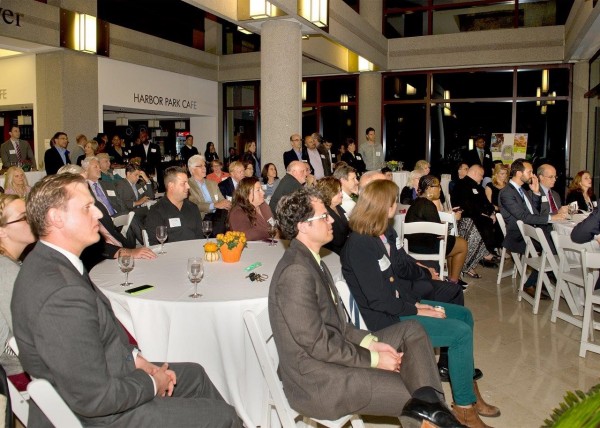 “I would like to congratulate all of the members of Stamford 2030 for joining together to make vital changes for our community," said Stamford Mayor David Martin. "The partners in Stamford 2030 have really stepped up for the success and sustainability of our city and the surrounding area. And they are not alone. For our part, the city is committed to improving storm resiliency and moving forward with the Energy Improvement District. We believe these efforts are tied to our economic development and ability to attract people to Stamford while conserving important natural resources, all necessary for sustained growth and prosperity.”