Nonprofit Seeks Support for STEM Mentoring Initiative Focused on Women, Underserved
/
It is, after all, National Mentoring Month. It makes perfect sense, therefore, for a fledgling Connecticut-based nonprofit devoted to mentoring young women and students of color to increase their presence in the STEM fields (science, technology, engineering and math) to launch a fundraising initiative.
ManyMentors, a nonprofit that promotes peer mentoring to increase the interest, pursuit and attainment of STEM degrees among underrepresented students, has kicked-off an Indiegogo crowdraising campaign aimed at supporting the development of “the world’s first mobile mentoring app and complementary online platform,” according to the campaign’s website. 
Online contributions will also support the ongoing outreach and advocacy activities of ManyMentors in Connecticut, and support outreach activities planned for establishment of student chapters at universities nationwide. The fundraising initiative runs through February 10, 2014.
The organization’s website notes that “of the 20 fastest growing occupations projected for 2014, 15 of them require significant mathematics or science preparation.” The nonprofit hopes to “make STEM mentoring more mainstream among middle and high school students, college and graduate students, as well as working professional.” As their slogan emphasizes, “If they never know, they will never go!”
Keshia Ashe, co-founder and CEO of ManyMentors, gave a well-received TEDx talk in Springfield, MA last fall about the important role of mentors and role models to encourage our young people to pursue degrees and careers in STEM. Keshia Ashe is a University of Virginia alumna, and current Ph.D. candidate in Chemical Engineering at the University of Connecticut. Since the age of 11 she has been actively involved in several youth-serving groups and advisory boards, and has had many opportunities to travel nationally and internationally as a speaker and trainer. 
The ManyMentors program primarily serves middle and high school students located in the state of Connecticut. The organization currently implements onsite mentoring opportunities with local community partners, and is piloting the mobile mentoring with a select number of mentor/mentee pairs. Supporting organizations of ManyMentors include the CBIA Education Foundation, Granville Academy of Waterbury, and CPEP (Catalysts Powering Educational Performance).
Tiffany St. Bernard, the co-founder and Chief Operating Officer of ManyMentors, is a University of Connecticut alumna, and current Ph.D. student in Genetics at Cornell University. She is passionate about ManyMentors because she has experienced first-hand the positive benefits of having many mentors guide her through academic life, beginning during her years at Tunxis Community College.
Using social networking, ManyMentors aims to connect students from a wide variety of academic and ethic backgrounds with the hopes that these relationships will stimulate, sustain, and support students’ interest in, pursuit, and attainment of STEM degrees.
Among the upcoming activities ManyMentors is sponsoring this year are a series of “STEMinars” at UConn, beginning in February, aimed at “Preparing Tomorrow's Female STEM workforce, Today.” The sessions are designed to “increase awareness of female STEM workplace issues by being exposed to female STEM professionals 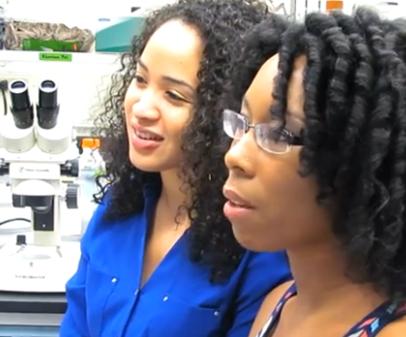 who will discuss topics such as career placement basics, salary and promotions, communication, creating support groups, being culturally aware, finding a work/life balance, and appreciating the value of staying true to oneself in male-dominated fields.”
ManyMentors is moving forward with three central efforts:
- Creating partnerships between K-12 students, institutions of higher education and STEM professionals to stimulate and sustain student interest in the STEM fields.
- Selecting college mentors with a vested interest in sharing their best advice, wisdom, and insight to support the academic, professional, and cultural development of their mentees.
- Providing ongoing trainings for mentors to share best practices and cultivate a community of STEMentors.
Photo: Keshia Ashe (left) and Tiffany St. Bernard

 nter - Outstanding Group:
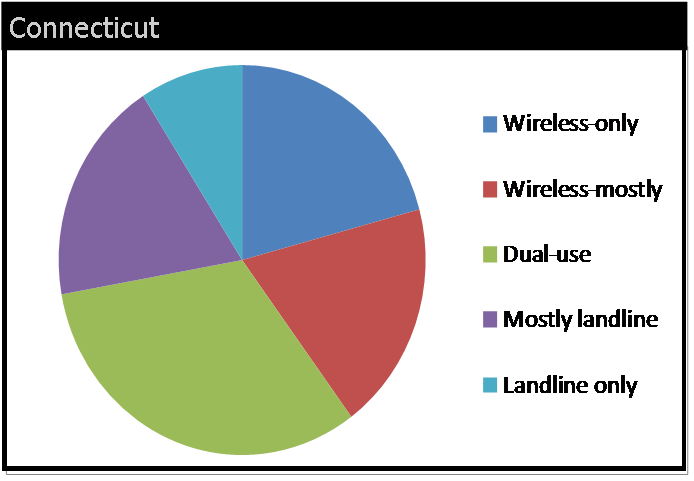
 t joined New Jersey with prevalence rates below 25 percent, including Connecticut (20.6%), Delaware (23.3%), New York (23.5%), Massachusetts (24.1%), and Rhode Island (24.9%).

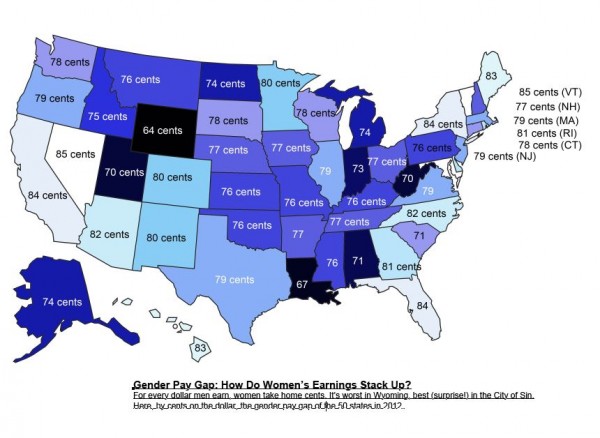 ogress is reflected in the total of 16 states in which women are now earning 80 cents or more to every male dollar, twice the count of 2010.
 wing Marion Kauffman Foundation. The
  Though they start lean, new high-tech companies grow rapidly in the early years, adding thousands of jobs along the way, according to the study findings. In fact, high-tech startup job creation is so robust that it more than makes up for the job destruction from early-stage businesses failures – a key distinction from the private sector as a whole where job losses from early-stage failures turns this group into net job destroyers, the report indicated.
 in the report, observed that “Each of the high density metro areas has one of three characteristics, and some have a combination of them all: 1) They are well-known tech hubs with highly skilled workforces, 2) They have a strong defense or aerospace presence, and 3) They are university cities.”
 , according to Payscale economist Katie Bardaro, “are dominated by high wage industries like tech (both IT and Biotech), finance or oil.” (Metro San Jose, San Francisco and Houston.) Unlike the top three, number 4 is dominated by the finance industry.
 workers there is $71,800 annually, while average starting pay is $55,500 and mid-career is $96,900 a year, on average, the magazine reported. Coming in at #7, the Hartford-West Hartford-East Hartford metro area has overall median pay of $69,200; starting median pay of $53,000; and mid-career median pay of $92,000.
 10.
10. he state’s downtowns, one that commands attention and respect for being forward-thinking while preserving the integrity and values of the past. At CMSC, “we'll continue to promote the

 n, president of Environment and Human health, Inc. “It is time for flame-retardants to be removed from all low fire-risk situations and products. As well, a certification program should be established where manufacturers certify the absence of flame-retardants, just as organic food programs certify the absence of pesticides.”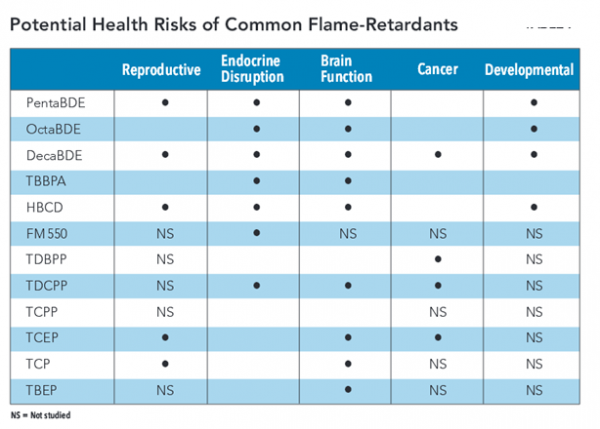
 g human health from environmental harms. EHHI does not receive any funds from businesses or corporations. The organization’s mission is “to conduct research to identify environmental harms affecting human populations, promote public education concerning the relationships between the environment and human health, and promote policies in all sectors that ensure the protection of human and environmental health with fairness and timeliness.
 During the past five years, inbound moves peaked in 2010 at 1,009 – with a just slightly higher 1,160 outbound moves. Since then, the numbers have skewed increasingly out-of-state, Atlas reported.
 ssistant marketing manager at Fallon Moving and Storage in Windsor, agreed. "Texas is big. We also do lots of Virginia, North Carolina and South Carolina," she said in a phone interview Friday afternoon.
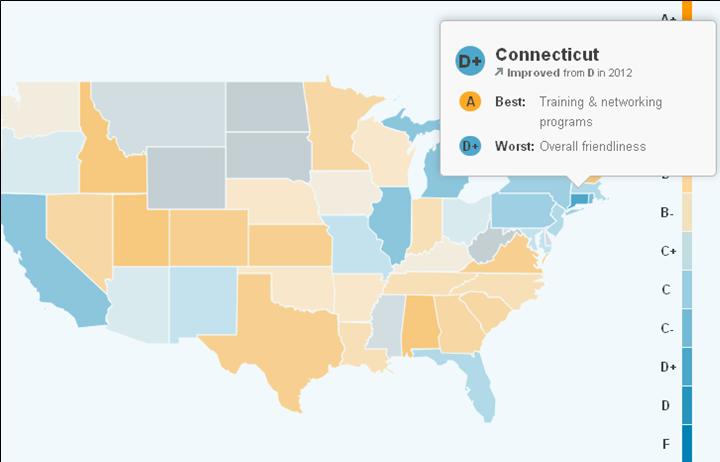 this year's study.
 ministration reports that 69% of small businesses are at least two years old, and 51% are at least five years old. The survey sample is very close to these numbers, with 76% over two years old and 57% at least five years old.